
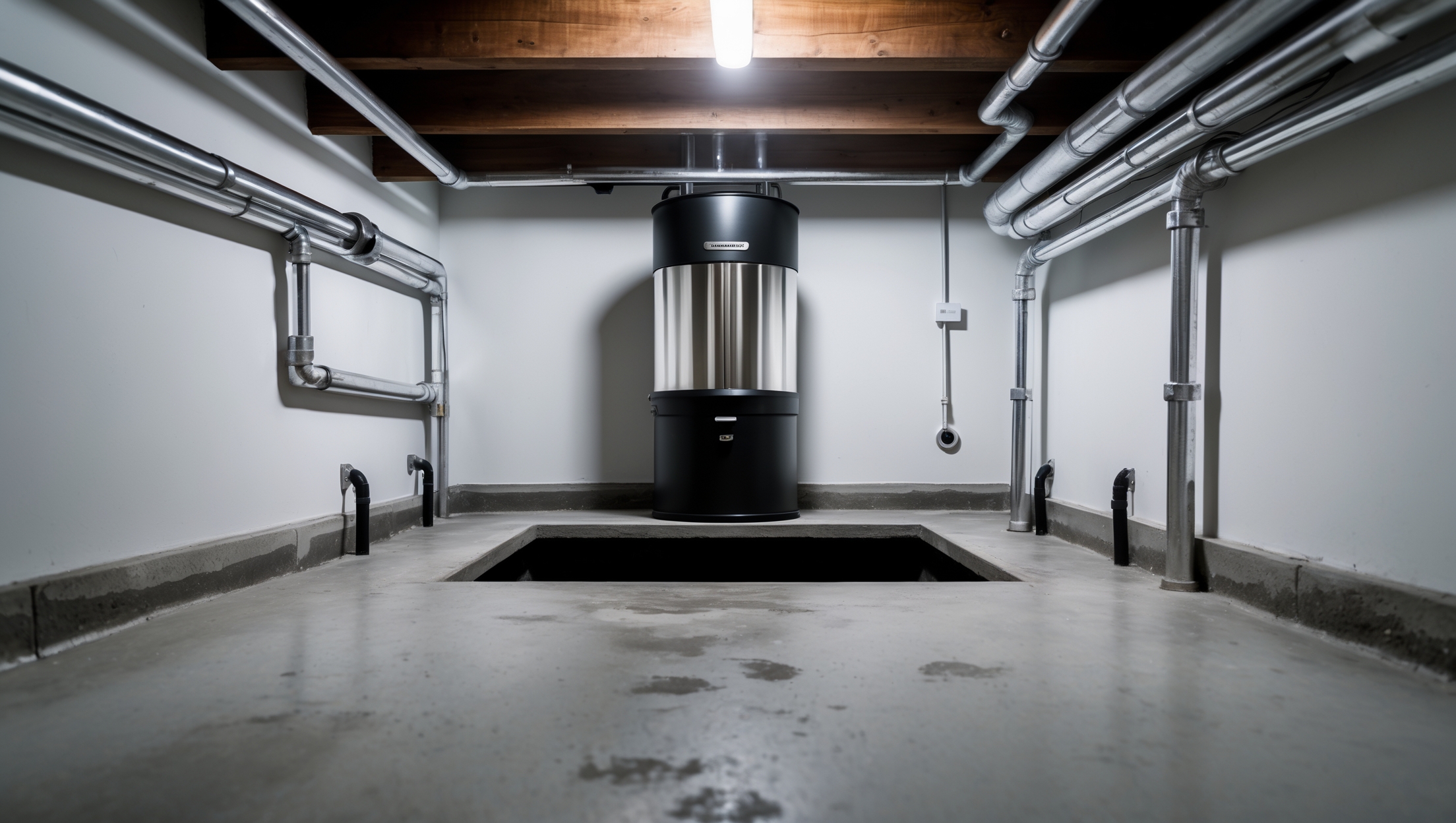
Introduction: Why Sump Pump Care Is Essential for Homeowners
Basement flooding is one of the most common and costly problems homeowners face, leading to water damage, mold growth, and even foundation issues. At the heart of flood prevention in many homes lies the sump pump—a relatively simple device with an outsized impact on home safety and value. Yet despite its importance, sump pump maintenance and upgrades are often overlooked until disaster strikes. Whether you have a finished basement packed with valuables or a utility space that’s prone to dampness, understanding how to care for and improve your sump pump system is essential. In this comprehensive guide, we’ll demystify sump pump maintenance, uncover practical upgrade strategies, and empower you with troubleshooting skills to keep your basement dry year-round. From routine checks to advanced backup systems, equip yourself to outsmart water damage before it starts.
Understanding Sump Pumps: The Basics
What Is a Sump Pump?
A sump pump is an electric-powered device installed in the lowest part of a basement or crawlspace, typically inside a specially constructed pit (the sump basin). Its job is simple: when water accumulates in the basin—often from rain, groundwater, or plumbing leaks—the pump activates and moves the water safely away from your home’s foundation, usually through a discharge pipe to a designated drainage area.
Types of Sump Pumps
- Submersible Sump Pumps: Installed entirely inside the sump pit and designed to operate underwater. Quieter and less obtrusive, these are ideal for finished basements.
- Pedestal Sump Pumps: The motor sits above the pit, with only the pump base submerged. Easier to service but noisier and more exposed.
Key Components
- Sump Basin: The pit where water collects.
- Pump Unit: Submersible or pedestal motor that moves water.
- Float Switch: Activates the pump when water reaches a certain level.
- Discharge Pipe: Channels water out and away from the home.
- Check Valve: Prevents backflow into the sump pit.
Routine Sump Pump Maintenance: Step-by-Step
How Often Should You Maintain a Sump Pump?
Experts recommend performing basic sump pump checks every 3–4 months, with a more thorough inspection and cleaning at least once a year—preferably before rainy seasons or spring thaw.
Monthly/Quarterly Maintenance Tasks
- Visual Inspection: Check that the sump pump is upright and unobstructed. Look for debris, corrosion, or loose wires.
- Test the Pump: Pour a bucket of water into the sump pit. The float should rise and activate the pump, which should discharge water swiftly. If it doesn’t, troubleshoot immediately.
- Check the Power Source: Ensure the pump is plugged into a GFCI outlet. Inspect the power cord for wear or fraying.
- Inspect the Discharge Line: Walk the length of the pipe outside to make sure it’s free of obstructions, clogs, or ice buildup.
Annual Maintenance Checklist
- Unplug and Remove the Pump: Disconnect the power and carefully lift the pump out of the pit.
- Clean the Sump Pit: Remove dirt, gravel, and debris from the basin. Wipe the walls and floor with a mild cleaner.
- Inspect and Clean the Pump: Rinse off mud and sediment, especially from the intake screen. Look for corrosion, rust, or damaged seals.
- Check the Float Switch: Make sure the float moves freely and isn’t hindered by cords or debris.
- Test the Check Valve: Confirm it opens and closes smoothly and isn’t blocked by sediment.
- Reinstall and Test: Place the pump back in the pit, reconnect the power, and test the system with several gallons of water.
Seasonal Tips
- Before Spring Thaw: Perform a full maintenance check before heavy rains and melting snow increase groundwater.
- Before Freezing Temperatures: Ensure the discharge line is sloped to prevent standing water and insulate any exposed pipe to avoid ice blockages.
Common Sump Pump Problems and Troubleshooting
1. Pump Doesn’t Turn On
- Check for tripped circuit breakers or GFCI outlets.
- Inspect the float switch—replace if stuck, damaged, or corroded.
- Test the power supply and try plugging into a different outlet.
2. Pump Runs Continuously
- Possible stuck float or malfunctioning switch.
- Check for a missing or faulty check valve (water may be cycling back into the pit).
- Inspect for high groundwater—consider upgrading to a more powerful pump if needed.
3. Noisy Operation
- Rattling or grinding can indicate debris in the impeller or worn bearings.
- Pedestal pumps are naturally louder; submersible upgrades can help reduce noise.
4. Water Not Discharging Properly
- Clogged or frozen discharge lines are a common culprit.
- Check for kinks, blockages, or an improperly sized discharge pipe.
- Ensure the discharge point is at least 10 feet from the foundation and slopes away from the house.
5. Unpleasant Odors
- Standing water in the sump pit can become stagnant and smelly.
- Clean the pit and flush the system with a bleach solution (1 cup bleach to 1 gallon water).
- Consider a sump pit cover to keep out debris and odors.
When to Upgrade Your Sump Pump
Signs It’s Time for Replacement
- Your pump is over 7–10 years old.
- It cycles on and off irregularly or struggles to keep up with water flow.
- Frequent repairs or persistent leaks despite regular maintenance.
- Visible corrosion, cracks, or unusual noises that persist after troubleshooting.
Choosing the Right Replacement Pump
- Horsepower: 1/3 HP is standard for most homes, but high water tables or large basements may require 1/2 HP or more.
- Material: Cast iron pumps dissipate heat better and last longer than plastic models.
- Pump Capacity: Look for a model that handles at least 2,000 gallons per hour at a 10-foot lift for typical residential needs.
Professional vs. DIY Installation
Replacing a sump pump is a straightforward DIY task for many homeowners, but if your system requires new electrical wiring, basin resizing, or complex plumbing, consult a licensed plumber or electrician. Always follow manufacturer instructions to avoid voiding warranties or local code violations.
Smart Upgrades for Enhanced Protection
1. Battery Backup Systems
The number one upgrade for sump pump reliability is a battery backup. Severe storms often cause power outages—the exact time you need your pump most. A battery backup kicks in automatically if the main pump fails or loses power, buying you precious hours of flood protection.
- Choose a backup system with an alarm to alert you when it activates.
- Test the backup quarterly and replace batteries every 3–5 years.
2. Water-Powered Backup Pumps
If your area has reliable municipal water pressure, a water-powered backup pump can be a maintenance-free alternative to batteries. These systems use water pressure to evacuate the sump pit but may not be as powerful and are not suitable for homes with well water.
3. Sump Pump Alarms and Smart Monitors
- Install a high-water alarm to alert you (via sound, app, or text message) if water rises too high in the pit.
- Smart sensors can track pump cycles, power status, and even freeze risks, sending real-time updates to your phone.
4. Sump Pit Covers
An airtight lid keeps out debris, insects, and odors, while also protecting children and pets. Some covers include ports for electrical cords and discharge pipes, as well as viewing windows to check water levels at a glance.
5. Secondary Sump Pump
For homes in flood-prone zones or with particularly large basements, consider installing a secondary pump in the same pit or a separate one. This provides redundancy and extra capacity during severe weather events.
Cost Breakdown: Maintenance, Repairs, and Upgrades
Routine Maintenance
- DIY annual cleaning supplies: $10–$30
- Professional inspection: $100–$250
Common Repairs
- Float switch replacement: $20–$60 (DIY), $100–$200 (pro installed)
- Check valve: $15–$40
- Discharge line repair: $50–$200
System Upgrades
- Basic sump pump replacement: $100–$350 (DIY pump), $300–$700 (installed)
- Battery backup system: $150–$400 (DIY), $400–$1,000 (installed)
- Water-powered backup: $200–$500 (installed)
- High-water alarm: $20–$100
- Smart monitoring system: $100–$300
Maintenance Best Practices for Long-Term Reliability
- Keep the sump pit covered and free of debris at all times.
- Test the pump with water at least quarterly, especially before storms.
- Label the circuit breaker for your sump pump for easy access during emergencies.
- Document maintenance dates and repairs; keep receipts for warranties and insurance claims.
- Consider a surge protector for the pump’s power supply to prevent damage from voltage spikes.
- Inspect the discharge outlet after every major storm or freeze.
Frequently Asked Questions About Sump Pumps
Do I need a sump pump if I’ve never had water in my basement?
If your home is in an area with a high water table, poor drainage, or heavy rainfall, a sump pump is a wise investment—even if you’ve been lucky so far. Prevention is always cheaper than cleanup.
How long do sump pumps last?
Most pumps last 7–10 years with regular maintenance. Heavy use, poor installation, or lack of care can shorten this lifespan.
Can I install a sump pump myself?
If you’re replacing an existing unit in a pre-dug pit, yes—just follow safety guidelines. New installations involving concrete work, plumbing, or wiring are best left to professionals.
Is insurance required for sump pumps?
Standard homeowners insurance typically does not cover water damage from sump pump failures. Consider a separate water backup endorsement if you want financial protection from flooding.
Conclusion: Taking Proactive Steps for a Dry, Safe Basement
A reliable sump pump is your home’s first line of defense against basement flooding and the raft of problems it brings, from costly repairs to health hazards like mold. But like every critical system in your home, its effectiveness depends on your commitment to regular maintenance and smart upgrades. By inspecting your sump pump every few months, cleaning and testing it annually, and addressing minor issues before they escalate, you’ll drastically reduce your risk of water damage. Investing in a battery backup system, high-water alarm, or smart monitor adds further peace of mind, especially during storms or vacations. And when it’s time for a replacement, choosing a quality pump tailored to your home’s needs will pay dividends for years to come.
Don’t wait for the next heavy rain to think about your sump pump. Take a proactive approach today by setting a maintenance schedule, investing in essential upgrades, and staying alert for early warning signs. Your future self—and your dry, comfortable basement—will thank you for it.
I noticed you mention both submersible and pedestal sump pumps as options. For a small business with a basement that gets occasional dampness but not major flooding, is one type usually more reliable or easier to maintain over time?
For a small business basement with only occasional dampness, a pedestal sump pump is generally easier to maintain. The motor sits above the pit, making it more accessible for inspections and repairs. While both types are reliable, submersible pumps are better for heavy or frequent flooding. In your case, a pedestal pump should offer sufficient reliability and simpler maintenance.
I’m curious about the differences in noise levels between submersible and pedestal sump pumps. For someone with a finished basement used as a living space, is the quieter operation of a submersible pump worth the possible increase in installation or maintenance costs?
Submersible sump pumps are generally much quieter than pedestal models because their motor is sealed inside the sump pit, dampening sound. In a finished basement that’s used for living, this quieter operation can make a significant difference in comfort. While submersibles may have higher installation or maintenance costs, many homeowners find the peace and quiet they provide well worth the investment, especially in spaces where noise can be disruptive.
I have a sump pump installed but my basement still feels damp at times. Based on your description of key components, is it possible that my check valve or discharge pipe might not be working properly, and if so, how can I assess this?
It’s very possible that a faulty check valve or discharge pipe could be contributing to dampness. To check, first listen for water flowing back into the pit after the pump shuts off—this could indicate a bad check valve. Next, inspect the discharge pipe outside to make sure it’s not clogged or blocked and that water is moving freely away from your home. Addressing these issues can help your sump pump system work more effectively.
After reading about the key components, I’m a little unsure about the check valve’s role. If the check valve fails, what are the first signs a homeowner might notice, and how urgent is it to replace?
If the check valve fails, you might notice water running back into the sump pit after the pump shuts off, causing the pump to cycle more frequently. This can also lead to increased humidity or even minor flooding in your basement. It’s quite important to replace a faulty check valve promptly, as ignoring it can overwork your pump and increase the risk of basement flooding.
Could you elaborate on the typical signs of a failing float switch or check valve? I want to know what to watch for during my routine checks to catch issues before they cause basement flooding.
Absolutely. For a failing float switch, look for the sump pump running continuously, failing to turn on when water rises, or getting stuck in one position. Signs of a bad check valve include water flowing back into the pit after the pump shuts off, frequent pump cycling, or unusual noises after each cycle. Spotting these signs early during your inspections can help prevent bigger problems.
If a sump pump’s float switch stops working, is it something a homeowner can easily fix themselves, or does it usually require professional repair? Just curious after you listed it as a key component that could potentially fail.
A sump pump float switch can sometimes be fixed by a homeowner if the issue is simple, like debris blocking the float or a stuck switch. Cleaning the area or gently freeing the float might solve the problem. However, if the switch itself is faulty or wiring is involved, it’s safer to call a professional to avoid further damage or electrical risks.
Our home has a sump basin, but the pump is a few years old and pretty noisy. Is it worth switching to a quieter submersible model, or are there other ways to reduce the noise without a full replacement?
Switching to a quieter submersible sump pump can make a big difference if noise is a concern, as they generally run more quietly than pedestal models. If you’re not ready for a full replacement, try adding a rubber mat under the pump or insulating the basin cover—both can help dampen vibrations and noise. Regular maintenance, like tightening loose bolts or checking for worn parts, may also reduce sound levels.
How often should I be checking the float switch you mention? Is this something I can easily do myself, or is it better to hire a plumber for regular inspections?
You should check the float switch on your sump pump every few months, especially during rainy seasons. It’s usually a simple task: manually lift the float and see if the pump activates. Most homeowners can handle this themselves, but if you’re unsure or notice any issues, bringing in a plumber for an inspection is a good idea.
For homeowners on a tight budget, which sump pump upgrades would you consider essential versus optional, and are there any affordable ways to improve flood protection without replacing the entire system?
If you’re on a tight budget, the essential upgrade would be adding a battery backup to your existing sump pump system. This ensures the pump works during power outages. Optional upgrades include water alarms and smart sensors, which add extra convenience but aren’t strictly necessary. You can also improve flood protection by cleaning the sump pit regularly and making sure the discharge line is clear, both of which are low-cost steps that make a big difference.
I’m new to all this, so could someone explain how often I should be doing these routine sump pump maintenance checks? The article mentions keeping up with care, but I’m not sure what the schedule should look like for a typical home.
For most homes, it’s a good idea to check your sump pump at least once every three to four months. Basic tasks include making sure the pump turns on properly, cleaning out any debris from the pit, and testing the float switch. Before heavy rain seasons, do a full inspection to ensure everything is working smoothly. This routine will help you catch any issues early and keep your basement protected.
Can you go into more detail on the differences in maintenance routines between submersible and pedestal sump pumps? I have a pedestal type and I’m not sure if I should be doing anything special during routine checks.
Pedestal sump pumps typically require less intensive cleaning than submersible types since their motors are above the water and less exposed to moisture and debris. For your pedestal pump, focus on keeping the float mechanism clear of obstructions and ensure the vent hole in the discharge pipe isn’t blocked. Also, check for any rust or corrosion on the motor shaft. Unlike submersible pumps, you usually don’t need to remove and clean the entire unit, but regular visual inspections are important.
If my basement is mainly used for storage and not finished, would you recommend submersible or pedestal sump pumps? The article mentions both types, but I’m not sure which is better for a space that’s not regularly used.
For a basement primarily used for storage and not regularly occupied, a pedestal sump pump is often a practical choice. They are easier to maintain since the motor sits above the sump pit, making them accessible for occasional checks. While they’re a bit noisier than submersible pumps, that may not be a concern in a storage-only basement. Submersible pumps are quieter and handle debris better, so consider them if you expect a lot of dirt or want a tidier appearance.
I’m curious about the difference in noise levels between submersible and pedestal sump pumps. Is the added noise from a pedestal model significant enough to be a problem if the basement is used as a living space, or is it mostly noticeable during heavy rain?
Pedestal sump pumps are generally louder than submersible models because the motor sits above the sump pit, making its noise more noticeable. In a basement used as a living space, this added noise can be disruptive, especially when the pump cycles on during storms or heavy rain. Submersible pumps are quieter since their motors are underwater and insulated by the pit, making them a better choice if noise is a concern in finished or regularly occupied basements.
Can you clarify what types of discharge pipe or drainage area are best for older buildings with unpredictable ground saturation? Are certain materials or layouts less likely to clog or freeze?
For older buildings with unpredictable ground saturation, it’s best to use rigid PVC pipes for discharge lines, as they’re durable and less prone to clogging than corrugated pipes. Ensure the pipe is sloped away from the foundation and discharges at least 10 feet from the house. Consider using a larger diameter pipe to reduce clogging risk. To prevent freezing, insulate the pipe or bury it below the frost line. Avoid sharp bends, which can trap debris, and use a screened outlet to keep out animals and debris.
For someone on a tight budget, what are the most critical sump pump upgrades or maintenance steps to prioritize to minimize the risk of basement flooding?
If you’re on a tight budget, the most crucial steps are regular maintenance tasks like cleaning the sump pit, checking that the pump is plugged in and working, and testing the float switch. Also, make sure the discharge line is clear. If you can afford a small upgrade, consider adding a battery backup or water alarm, as these can alert you to problems before flooding occurs.
If a homeowner finds water pooling in the sump basin but the pump isn’t activating, what troubleshooting steps would you recommend before calling a professional? Is this usually a float switch issue or could it be the check valve or something else?
If the sump pump isn’t turning on, first check that it’s plugged in and the circuit breaker hasn’t tripped. Next, inspect the float switch—it often gets stuck or jammed, preventing activation. Gently move the float to see if the pump starts. Also, make sure the discharge pipe and check valve aren’t clogged or blocked. If these steps don’t solve the issue, it’s time to call a professional.
For those on a tight budget, which maintenance tasks can be done by a homeowner without hiring a professional, and which ones should always be left to an expert to avoid damaging the sump pump system?
Homeowners can handle basic sump pump maintenance like cleaning debris from the pit, checking the power supply, testing the pump by pouring water into the pit, and inspecting the discharge pipe for clogs. However, electrical repairs, float switch replacements, and any issues with the pump motor are best left to professionals, as incorrect handling can cause damage or safety hazards.
I’m wondering, for someone with a basic setup, what would be the first upgrade you recommend that doesn’t break the bank but really improves flood protection?
A highly effective and affordable upgrade is adding a battery backup to your existing sump pump. This ensures your pump continues to work during power outages, which are common during heavy storms. Most battery backup systems are straightforward to install and provide significant extra protection without a major investment.