
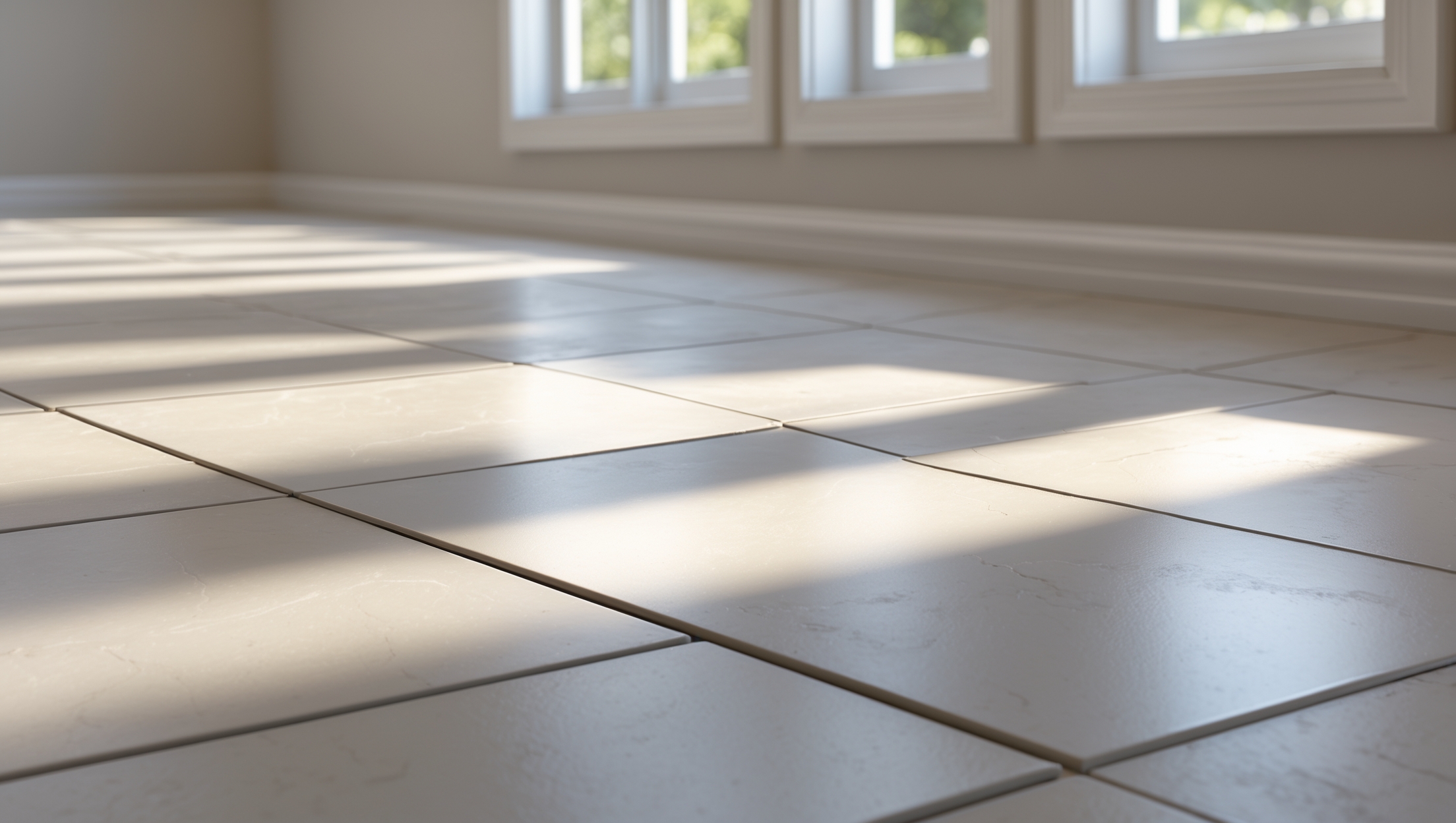
Introduction: Why Tile Flooring Projects Go Wrong—and How to Get Them Right
Tile flooring is one of the most popular home improvement upgrades, offering durability, design versatility, and a timeless aesthetic to kitchens, bathrooms, hallways, and beyond. Yet, even the most enthusiastic DIYers and seasoned homeowners can fall victim to costly mistakes that compromise both the function and beauty of their new floors. From poor surface preparation to improper grout selection, the path to flawless tile installation is riddled with potential pitfalls. This guide draws on professional experience to spotlight the frequent missteps encountered during tile flooring installation—and, more importantly, how to steer clear of them. Whether you’re planning a weekend refresh or a total renovation, understanding these common errors can save you money, time, and frustration. We’ll break down key planning tips, material selection advice, step-by-step expert techniques, and essential aftercare to ensure your tile floors not only look stunning on day one, but stand the test of time. Let’s lay the groundwork for success—literally!
Planning Your Tile Flooring Project
Assessing Your Subfloor: The Foundation of Success
Every flawless tile floor starts with a solid, level subfloor. Skipping this step is a recipe for uneven tiles, cracks, and premature failure. Before shopping for tiles, inspect your subfloor for:
- Levelness: Use a long spirit level or laser level to identify dips or humps. Uneven surfaces cause lippage (uneven tile edges) and can crack tiles over time.
- Stability: Walk across the area and listen for squeaks or movement. Address loose floorboards or flexing subfloors by reinforcing joists or adding underlayment.
- Moisture: In basements or bathrooms, check for excess moisture with a moisture meter. Damp subfloors require waterproof membranes to prevent mold and adhesive failure.
Careful Measurement and Layout
Underestimating tile quantities or misjudging layout can lead to unsightly slivers at edges and extra costs. Avoid these mistakes by:
- Measuring twice: Calculate total square footage, then add 10–15% for cuts and future repairs.
- Planning your layout: Dry-lay tiles to visualize the pattern and avoid small, awkward cuts at walls or doorways. Center the layout in the most visible area for a balanced look.
Choosing the Right Materials
Tile Selection Pitfalls
Not all tiles are suited for every space. Common mistakes include using wall tiles on floors (they’re too thin) or picking tiles with poor slip resistance for wet areas. Always check:
- PEI Rating: For floors, choose tiles rated PEI 3 or higher for durability.
- Slip resistance: Look for a COF (Coefficient of Friction) of at least 0.6 in bathrooms or kitchens.
- Porosity: In moisture-prone areas, opt for porcelain or glazed ceramic with low water absorption rates.
Adhesives and Grout: Avoiding Compatibility Issues
Using the wrong adhesive or grout can undermine your installation. Common mistakes include:
- Using mastic in wet areas: Mastic is water-soluble and not suitable for showers or floors exposed to moisture. Use thinset mortar instead.
- Skipping flexible additives: In areas with temperature fluctuations (like sunrooms), use a flexible polymer-modified mortar and grout to prevent cracks.
- Choosing the wrong grout color: Light grout shows dirt; dark grout can stain light tiles. Do a test sample before committing.
Tools and Equipment: What You Need (and Common Mistakes to Avoid)
Essential Tools for Tile Installation
- Tile cutter or wet saw (for clean, precise cuts)
- Notched trowel (size depends on tile and adhesive)
- Rubber grout float
- Tile spacers (for even joint spacing)
- Level and straightedge
- Mixing paddle and drill (for mortar and grout)
- Knee pads and gloves (for comfort and safety)
- Bucket and sponge (for cleanup)
Common Tool-Related Errors
- Improper blade selection: Using a wood blade on a tile saw will ruin both the blade and tiles. Always use a diamond blade for tile.
- Incorrect trowel notch: Too small a notch leads to poor tile adhesion; too large wastes mortar and can cause unevenness. Check the tile manufacturer’s recommendations.
- Skipping cleanup: Allowing mortar to dry on tools or tile faces makes cleanup much harder and can damage surfaces.
Step-by-Step: Execution Mistakes and How to Avoid Them
1. Poor Surface Preparation
Failing to clean and prime the subfloor is a leading cause of tile failure. Always:
- Vacuum thoroughly to remove dust and debris.
- Patch cracks or holes with a suitable floor patch compound.
- Prime porous surfaces with an appropriate primer to enhance adhesion.
2. Rushing the Layout
Skipping the dry-lay step or failing to use reference lines leads to crooked or misaligned tiles. Best practices include:
- Marking perpendicular reference lines (using a chalk line) to guide your rows.
- Dry-laying a row in both directions to preview the pattern and cuts.
3. Inconsistent Mortar Application
Uneven trowel technique can cause hollow spots and loose tiles. To avoid this:
- Hold the trowel at a consistent angle (45 degrees) and spread mortar evenly.
- Back-butter large format tiles to ensure full coverage.
- Don’t spread too much mortar at once—work in small sections to prevent drying out.
4. Skipping Expansion Joints
Tiles expand and contract with temperature and humidity changes. Omitting expansion gaps at walls or between large areas can lead to buckling or cracks. Always leave a 1/4-inch gap at the perimeter and fill with flexible caulk, not grout.
5. Misusing Tile Spacers
Tile spacers ensure consistent grout lines, but incorrect use results in uneven joints. Use the correct size spacers (typically 1/8″ for floors) and remove them before the mortar fully sets to prevent them from getting trapped.
6. Grouting Too Soon (or Too Late)
Grouting before the mortar cures can move tiles out of alignment; waiting too long makes grout cleanup difficult. Check mortar instructions for cure time, usually 24 hours, and grout promptly after.
7. Poor Grout Application
- Work grout into joints at a 45-degree angle with a rubber float.
- Remove excess grout from tile faces quickly with a damp sponge.
- Don’t over-wet the sponge, which can weaken grout and cause color mottling.
8. Neglecting Sealing (When Needed)
Some tiles and grouts require sealing to prevent stains and moisture intrusion. Failing to seal porous tiles or cement-based grout can lead to permanent discoloration. Always check if your materials need sealing, and reapply as recommended by the manufacturer.
Special Considerations for Challenging Areas
Bathrooms and Wet Areas
Waterproofing is critical. Skipping waterproof membranes or using the wrong adhesive can cause long-term water damage. Use a liquid waterproofing membrane on floors and walls before tiling, and be meticulous about sealing corners and penetrations.
Heated Floors
Tile is an excellent choice for radiant floor heating, but requires careful planning. Avoid damaging heating cables during installation by marking their position and using a plastic trowel when working near them. Use a flexible, polymer-modified mortar and grout to accommodate temperature expansion.
Transitions to Other Flooring
Improper transitions create trip hazards and unsightly edges. Use appropriate transition strips and ensure tile height matches adjacent flooring whenever possible.
Aftercare and Maintenance: Protecting Your Investment
First 72 Hours
Do not walk on newly installed tiles or expose them to heavy furniture for at least 48–72 hours. Premature use can cause shifting and unevenness.
Routine Maintenance
- Clean up spills promptly to prevent grout staining.
- Use pH-neutral cleaners designed for tile surfaces; avoid acidic or abrasive products.
- Inspect grout regularly and touch-up or reseal as needed.
Long-Term Protection
Place mats at entrances to catch dirt and grit, which can scratch tiles. Use felt pads under furniture legs. For high-traffic areas, consider periodic professional cleaning to restore grout and tile luster.
Conclusion: Achieving Professional-Grade Results
Installing tile flooring is a rewarding home improvement project that adds value, style, and longevity to your property—when done correctly. By understanding and avoiding the most common mistakes, from improper subfloor preparation to rushed grouting and neglected aftercare, you lay the foundation for success. Take time to plan your layout, select the right materials, and use the proper tools for the job. Don’t be tempted to cut corners; the extra effort in surface prep, careful measurement, and methodical installation pays dividends in a flawless, long-lasting floor. Remember, mistakes are most often the result of haste, inattention, or skipping essential steps. If you’re unsure, consult manufacturer guidelines or seek advice from a professional installer. With patience, attention to detail, and the insights from this guide, your tile flooring project can become a showcase feature of your home—beautiful, durable, and built to last. Happy tiling!
After tile installation, what specific aftercare steps should I plan to help the floors last, especially in high-traffic spots like kitchens with kids and pets running around?
After tile installation, keep the floors dry for at least 24 hours so the grout cures properly. Once cured, apply a quality grout sealer to protect from stains and moisture, especially in kitchens. Regularly sweep or vacuum to remove dirt and grit, and mop with a mild cleaner. Place mats at entrances and in high-traffic areas, and use furniture pads to prevent scratches. Address spills quickly to avoid staining the grout.
How do you best estimate the right number of tiles to buy, especially if the room involves complex angles or built-in cabinets? Is there a formula or tool that makes this easier and saves money on waste?
To estimate the right number of tiles, measure the total floor area, then subtract the space taken by built-in cabinets. For rooms with complex angles, break the area into smaller rectangles or triangles and calculate each separately. Add about 10% extra tiles for cutting and mistakes. Digital tools or tile calculators can speed up the process—just enter your measurements and room shape for a quick answer. This approach helps reduce waste and ensures you have enough tiles.
If the spirit level or laser level shows there are a few minor dips, is self-leveling compound my best bet, and does this add a lot of time to the total project, or can you lay tile the same day?
Using a self-leveling compound is a great way to address minor dips before laying tile, ensuring a smooth and durable finish. Most self-leveling compounds require a few hours to dry, but some fast-setting types can be tiled over the same day, often within 4–6 hours. Just make sure to check the manufacturer’s drying time before proceeding to avoid issues.
When planning layout, is it better to start tiling from the center of the room or along a main wall? I’ve heard conflicting advice and want to ensure I avoid wasted tiles and awkward cuts in visible areas.
For most rooms, starting from the center is usually recommended. This approach helps ensure your tile pattern looks balanced and any small or awkward cuts end up at the edges, often less noticeable. If a main wall or focal point is very prominent, you might align the first row with that feature, but always dry-lay a few tiles first to preview how the cuts will look around the room.
I’m about to start a bathroom tile project and noticed your emphasis on subfloor moisture. If my moisture meter shows slightly elevated readings, how can I tell if I need a full waterproof membrane or if something less intensive will suffice?
If your moisture meter readings are only slightly elevated but not in the high-risk range, you might be able to use a liquid waterproofing membrane or a crack isolation membrane over those areas. However, if readings are consistently above manufacturer-recommended limits for tile or thinset, a full waterproof membrane is safest to prevent future problems. Always check your tile and adhesive specs for acceptable moisture levels, and consider local humidity or plumbing risks when deciding.
I noticed you mentioned measuring layout carefully to avoid tile shortages. Do you have any tips for estimating the right amount of extra tiles to buy, especially for complex patterns or oddly shaped rooms?
For most projects, it’s wise to purchase 10% extra tiles to cover mistakes and future repairs. If your room has lots of angles, curves, or you’re using a complicated pattern, consider bumping that up to 15% extra. Lay out your pattern on paper first to help visualize tricky cuts and minimize waste. Buying from the same batch ensures color consistency, too.
What is the typical timeline to complete a DIY tile floor in a medium-sized kitchen from prep to final grout, considering drying times between steps? I need to plan around kids and daily use of the space.
For a medium-sized kitchen, you can expect a DIY tile floor project to take about 3 to 5 days from start to finish. Day 1 is usually reserved for removing old flooring and prepping the surface. Day 2 is for laying out and installing the tiles, letting the adhesive cure for 24 hours. On Day 3, you can grout the tiles, but you’ll need another 24 hours before light foot traffic is allowed. Full curing can take up to a week, so plan to keep heavy use or moving furniture off the floor until then.
You mention checking for moisture in subfloors, especially in basements and bathrooms. Are there specific types of waterproof membranes you recommend for high-moisture areas, or does the choice depend on the type of tile and adhesive being used?
The choice of waterproof membrane often depends on both the environment and the type of tile and adhesive you’re using. For high-moisture areas like basements and bathrooms, sheet membranes (such as polyethylene rolls) and liquid-applied waterproofing are commonly recommended. Sheet membranes offer strong moisture barriers and are great under large-format tiles, while liquid-applied membranes are flexible and easier for complex shapes. Always check that your membrane, tile, and adhesive are compatible, following manufacturer guidelines for the best results.
If I discover minor dips in my substrate after starting to lay tiles, is it too late to fix them, or is there a way to correct levelness without taking everything up and starting over?
If you’ve already begun tiling and find minor dips, you can still fix them without removing all the tiles. For small areas, you can lift the affected tiles, add extra thin-set mortar to fill the low spots, and reset the tiles. Make sure the surface is level before the mortar sets. For very slight dips, sometimes a bit more mortar under the next tile can help even things out as you go.
When checking for moisture in a basement subfloor, is there a preferred type of moisture meter you recommend for accuracy? Or are there specific warning signs to look for if you don’t have a meter handy?
For basement subfloors, a pin-type moisture meter is usually the most accurate because it measures moisture inside the material, not just on the surface. If you don’t have a meter, look for signs like musty odors, visible damp spots, efflorescence (white powdery residue), or peeling paint. Taping clear plastic sheets to the floor and checking for condensation underneath after 24–48 hours is another simple method to detect excess moisture.
How much extra time should I plan for proper subfloor inspection and prep before I even start laying tile? I’d like to avoid mistakes but I’m trying to set a realistic project timeline.
Allocating enough time for subfloor inspection and preparation is key to a successful tile installation. For a typical room, plan on spending at least one full day—about 6 to 8 hours—on this phase, especially if repairs or leveling are needed. If your subfloor is in good shape, it may take less time, but always allow extra to address any issues you find.
If my subfloor has minor dips but no obvious movement or moisture issues, is it okay to use a thicker layer of thinset to even things out, or do I need to level it first before tiling?
Using a thicker layer of thinset to compensate for dips isn’t recommended because thinset is meant for bonding tiles, not leveling the floor. For the best results and to prevent future issues like cracked tiles, it’s best to level the subfloor first with a self-leveling compound or patching material before you start tiling.
When checking my subfloor before tiling, how can I tell if it has too much movement? You mentioned reinforcing joists and adding underlayment, but I’m not sure what level of flex is acceptable or when it actually needs fixing.
To check for excess movement, stand on the subfloor and shift your weight—if you feel it flex or bounce, that’s a sign of too much movement. Another way is to lay a straightedge or level across the floor and walk nearby; visible movement or rattling indicates an issue. Ideally, there should be minimal to no flex. If in doubt, it’s safer to reinforce joists or add underlayment before tiling for long-lasting results.
When checking my subfloor before installing tile, is there an easy way for a non-professional to spot moisture issues without buying an expensive moisture meter?
You can check for moisture in your subfloor by taping a clear plastic sheet (about 2 feet by 2 feet) flat to the surface and sealing the edges with tape. Leave it for 24–48 hours. If you see condensation on the underside of the plastic or dampness on the subfloor, there’s likely a moisture problem. This simple test can help you identify issues before tiling.
If my subfloor isn’t perfectly level, but I’m on a tight timeline, are there quicker or quicker-drying leveling options that still give good long-term results under tile?
Yes, you can use self-leveling underlayment compounds, which are designed to dry quickly—some are walkable within a few hours and ready for tile in one day. Choose a polymer-modified, rapid-setting product for the best mix of speed and durability. Just be sure to follow the manufacturer’s instructions carefully for long-term results.
Could you clarify how to calculate the right number of tiles to buy if my room has a lot of irregular angles and alcoves? I want to avoid buying way too many extras but also not run short during installation.
To estimate tiles for a room with irregular angles and alcoves, measure each section separately. Break the space into smaller rectangles or triangles, calculate the area of each, then add them together for the total square footage. Add 10–15% extra for cuts, mistakes, and pattern matching. This method helps you avoid overbuying while ensuring you have enough tiles for tricky spaces.
I’m curious about the cost implications of reinforcing joists or adding underlayment if instability is detected. Are there budget-friendly options that still provide long-term reliability for a tile flooring project?
Reinforcing joists or adding underlayment does add to the project cost, but there are reliable, budget-friendly solutions. Plywood or cement backer board are commonly used and aren’t too expensive. For joist reinforcement, blocking or sistering joists with construction-grade lumber is effective and affordable. Both options help create a stable base for tile and prevent future cracking, balancing cost with long-term reliability.
If you find some minor dips when checking with a spirit level, is it possible to fix those yourself, or would you recommend calling a professional for subfloor leveling before starting the tile project?
If the dips are small (less than 1/8 inch over a few feet), you can often fix them yourself using a patching compound or self-leveling underlayment. Just follow the manufacturer’s instructions carefully. However, for larger or widespread uneven areas, it’s best to consult a professional to ensure a stable, long-lasting tile installation.
Does preparing the subfloor for tile flooring add a lot to the overall project cost, or are there budget-friendly ways to get it level and stable without compromising quality?
Preparing the subfloor can affect your total project cost, but there are budget-friendly ways to tackle it without sacrificing quality. Basic self-leveling compounds and patching materials are affordable and work well for minor imperfections. For uneven areas, using plywood or cement board can be cost-effective too. The key is careful prep—investing a bit here prevents more expensive problems later.
If I find that my subfloor has minor dips or humps when using a spirit level, what is the most efficient way to correct those before moving forward with tile installation?
To correct minor dips in your subfloor, use a self-leveling compound. Just mix, pour, and let it flow to fill low spots. For small humps, you can sand or grind them down until the floor is flat. Always vacuum up dust and debris afterward to ensure the tile adhesive bonds well. Double-check with your spirit level before you start tiling.
If I discover dips or humps in my subfloor when using a spirit level, what’s the best way for a DIYer to fix these before installing the tiles? Are leveling compounds reliable, or is professional help usually needed?
If you find dips or humps in your subfloor, a self-leveling compound is a reliable option for most DIYers to create a smooth, even surface before tiling. For larger humps, you may need to sand or grind them down first. As long as the issues aren’t severe or structural, you can handle this yourself. Just follow the product instructions closely and make sure the floor is clean and dry before applying any compound.
Can you explain a bit more about why moisture in the subfloor is such a big problem? I want to redo the tile in my bathroom, but I’m worried I might miss signs of dampness. What are the best ways to check for excess moisture before starting?
Moisture in the subfloor can cause tiles to loosen, crack, or develop mold, especially in bathrooms where water exposure is common. To check for excess moisture, tape a piece of clear plastic (about 2 feet square) to the subfloor, sealing all edges. Leave it for 24-48 hours—if you see condensation or dampness underneath, your subfloor may be too wet. Moisture meters are also a reliable tool for checking dampness before tiling.
How much extra tile should I buy to make up for measurement errors or mistakes during a DIY install? I’m worried about underestimating how much I’ll need, but don’t want a lot of leftover tiles either.
It’s wise to purchase about 10% extra tile beyond your measured square footage to cover mistakes, cuts, and slight measurement errors. For tricky layouts or tiles with distinct patterns, you might want to go up to 15%. This gives you enough to account for breakage or future repairs without having a large surplus.
I’m planning to do a weekend DIY tile floor project, but I’m worried about running out of time. Based on your tips, what are the most time-consuming parts I should prepare for, and do you recommend splitting the project into stages?
The most time-consuming parts are usually surface preparation, cutting tiles to fit edges or corners, and waiting for adhesive or grout to dry. It’s smart to split the project—use the first day for planning, prepping, and laying most of the tiles, then use the next day to grout and clean up. This way, you avoid rushing and get better results.
When inspecting my subfloor for moisture before tiling, is there a certain reading on the moisture meter I should look out for? Also, are waterproof membranes always necessary in bathrooms even if the readings are low?
When checking your subfloor with a moisture meter, look for readings below 12% for wood and under 3–5% for concrete—higher levels may cause tile or adhesive problems. Even with low moisture readings, it’s wise to use a waterproof membrane in bathrooms since these areas are constantly exposed to water and humidity, helping to prevent future issues like mold or tile lifting.