
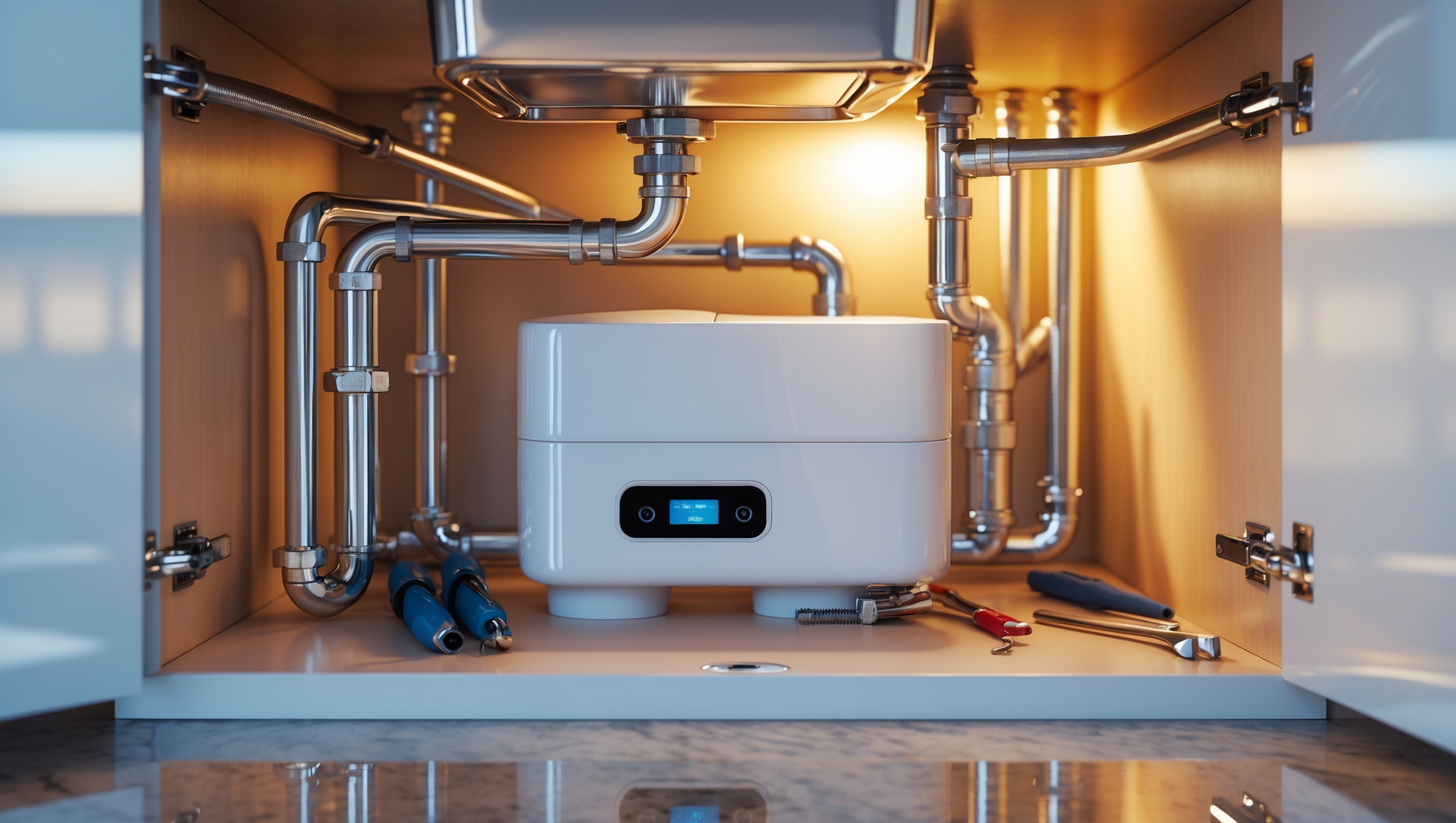
Introduction: Why Install an Under-Sink Water Filtration System?
Clean, safe water is essential for every household. While municipal water is generally safe to drink, it can still contain trace contaminants, chlorine, sediment, and unpleasant tastes or odors. For homeowners seeking an extra layer of protection and improved taste, an under-sink water filtration system is an affordable and highly effective solution. These systems filter water directly at the point of use—typically your kitchen sink—ensuring every glass you pour is fresh and clean. The best part? Modern DIY kits make installation accessible to most homeowners with basic plumbing knowledge. This guide walks you through the entire process, from choosing the right system and prepping your workspace to step-by-step installation and troubleshooting common issues. If you want to boost your home’s water quality, avoid costly plumber fees, and gain the satisfaction of a successful DIY project, read on to learn everything you need to know about installing an under-sink water filtration system.
Choosing the Right Under-Sink Filtration System
Types of Under-Sink Filters
- Carbon Block Filters: Remove chlorine, sediment, and organic compounds. Best for taste and odor improvement.
- Reverse Osmosis (RO) Systems: Multi-stage filtration that removes a wide range of contaminants, including heavy metals and dissolved solids.
- Ultrafiltration (UF) Systems: Uses a membrane to filter out bacteria and larger particles without removing beneficial minerals.
- Simple Single-Stage Filters: Fast, easy, and affordable, but usually only address taste and odor.
Key Selection Factors
- Contaminants Addressed: Review your local water quality report and select a filter certified to remove relevant contaminants (lead, chlorine, pesticides, etc.).
- Filter Life & Replacement Cost: Estimate annual filter replacement frequency and cost.
- Installation Space: Measure under your sink for clearance—especially for multi-stage or RO systems with storage tanks.
- Installation Difficulty: Some systems are truly DIY-friendly, while others may require modification of plumbing or countertops.
- Certifications: Look for NSF/ANSI certifications for contaminant reduction claims.
Tools & Materials Checklist
Essential Tools
- Adjustable wrench
- Drill with assorted bits (for mounting hardware or faucet installation)
- Screwdrivers (Phillips and flathead)
- Utility knife or pipe cutter
- Teflon (plumber’s) tape
- Basin wrench (for tight spaces)
- Bucket and towels (to catch water spills)
- Measuring tape
Materials
- Your chosen water filtration system (ensure all included parts: filter cartridges, mounting bracket, tubing, fittings, dedicated faucet, etc.)
- Optional: Plumber’s putty or silicone sealant (for faucet installation)
- Replacement supply valve or adapter (if needed)
Pre-Installation Preparation
Clear the Workspace
Remove all items from beneath the sink and wipe surfaces clean. Lay down towels to protect the cabinet base and catch any water drips.
Turn Off the Cold Water Supply
Locate the cold water shutoff valve under your sink. Turn it clockwise until fully closed. Open the kitchen faucet to relieve pressure and drain any remaining water.
Plan the Layout
- Identify a mounting spot for the filter unit and, if applicable, the storage tank (for RO systems).
- Choose a location for the dedicated filtered water faucet—often on the sink deck or countertop. Confirm you have space and access underneath for installation.
Step-by-Step Installation Instructions
1. Install the Filter Assembly
- Assemble the filter manifold and cartridges according to manufacturer instructions.
- Hold the assembly against the cabinet wall to mark mounting screw locations. Ensure adequate clearance below for filter changes.
- Drill pilot holes and secure the mounting bracket with screws.
2. Connect to the Cold Water Supply
- Identify the cold water supply line leading to your faucet.
- Most kits include a tee valve or saddle valve. If using a tee, disconnect the cold water line from the shutoff valve, attach the tee, then reconnect the faucet and connect the filter’s input line.
- Use Teflon tape on threaded fittings to prevent leaks. Hand-tighten, then snug with a wrench—do not overtighten.
3. Install the Filtered Water Faucet
- If your sink has an unused hole (often covered with a plug or soap dispenser), remove the cover and clean the area. If not, mark and drill a new hole (typically 7/8″ or as specified).
- Insert the faucet stem and secure it from beneath with the provided hardware. Apply plumber’s putty or silicone to seal, if required.
- Connect the filter’s output tubing to the faucet inlet with included push-fit or compression fittings.
4. (If Applicable) Connect RO Storage Tank and Drain Line
- For reverse osmosis systems, attach the tank to the designated port and install the drain saddle on the sink’s drain line above the trap.
- Drill a small hole in the drainpipe (if required), secure the saddle, and insert the drain tubing.
5. Check and Secure All Connections
- Ensure all push-fit fittings are fully inserted and threaded fittings are snug.
- Use zip ties or clips to organize and secure tubing, avoiding kinks or sharp bends.
6. Restore Water Supply and Test for Leaks
- Slowly open the cold water shutoff valve.
- Open the filtered water faucet and allow water to run for several minutes to flush the filter and purge air.
- Inspect all connections for drips. Tighten as needed.
Common Mistakes to Avoid
- Overtightening Fittings: This can damage threads or crack plastic parts. Always tighten just enough to prevent leaks.
- Incorrect Tubing Insertion: Push-fit connectors require tubing to be fully seated; unseated tubing can leak or disconnect under pressure.
- Poor Placement: Installing the filter where it obstructs access to plumbing, garbage disposals, or storage makes future maintenance difficult.
- Skipping Leak Checks: Always inspect all connections after installation and periodically afterward.
- Not Flushing the Filter: Most filters require an initial flush to remove carbon dust and activate the filtration media. Skipping this step can result in poor taste or cloudiness.
- Using the Wrong Valve: Ensure you tap into the cold water line only. Attaching to the hot water line can damage filters and reduce effectiveness.
Budget & Cost Breakdown
- Simple Carbon Filter Systems: $60–$150, with annual filter costs of $30–$80.
- Reverse Osmosis Systems: $170–$400, with annual filter and membrane costs of $60–$120.
- Tools (if not already owned): $30–$70 for basic wrenches, drill bits, and plumber’s tape.
- Optional Professional Help: $100–$250 for installation if you decide to hire a plumber.
DIY installation typically saves $100–$250 compared to professional service. Replacement filters are the main ongoing expense. Always factor in filter lifespan and availability when choosing a system.
Maintenance Best Practices
Filter Replacement
- Follow the manufacturer’s recommended schedule—usually every 6–12 months for carbon filters, and 18–24 months for RO membranes.
- Mark your calendar or use a reminder app so you don’t miss a replacement cycle.
- Keep a spare filter on hand to avoid lapses in filtration.
Sanitizing the System
- During filter changes, flush the housing with a mild bleach solution (per manufacturer directions) to prevent bacterial growth.
- For RO systems, sanitize the storage tank annually.
Leak Monitoring
- Check all fittings for drips monthly, especially after filter changes.
- Consider placing a water leak sensor in the cabinet for early warning of leaks.
Troubleshooting Common Issues
- Low Water Flow: Often due to a clogged filter. Replace the cartridge or check for kinks in the tubing.
- Leaking Connections: Re-seat tubing, apply new Teflon tape, and ensure all fittings are snug but not overtightened.
- Odd Taste/Odor: Flush the system longer, replace old filters, and ensure no stagnant water is left in the lines.
- Air in the System: It’s normal for the faucet to sputter initially; run water for several minutes to purge air.
Compliance and Warranty Considerations
- Check if your system is certified by NSF/ANSI for contaminant removal claims. This ensures legitimacy and performance.
- Retain receipts and installation instructions for warranty support. Some warranties require proof of professional installation, so double-check if this applies to your chosen system.
- If you’re in a rental or condo, confirm with your landlord or association before modifying plumbing or countertops.
Safety Checklist
- Always turn off the water supply before disconnecting plumbing lines.
- Use safety glasses when drilling or cutting pipes.
- Keep electrical cords and power tools away from water sources.
- Dispose of old filters according to manufacturer and local guidelines—some contain activated carbon or proprietary media.
- Store cleaning chemicals and tools out of reach of children while working under the sink.
Conclusion: Enjoy the Benefits of Fresh, Filtered Water
Installing an under-sink water filtration system is a practical, confidence-building DIY project with immediate, tangible rewards. You’ll notice better-tasting water, fewer odors, and peace of mind knowing you’re reducing contaminants right at the tap. With the right preparation and attention to detail, most homeowners can complete installation in just a few hours, saving significant money over hiring a plumber. Remember to select a system that matches your water quality needs, budget for ongoing maintenance, and follow all safety steps outlined in this guide. The investment in better water pays off every time you fill a glass, brew coffee, or cook a meal. By staying vigilant about filter changes and periodic checks, you’ll maintain optimal performance for years to come. If you ever encounter issues beyond your comfort level, don’t hesitate to consult a professional. Otherwise, enjoy the satisfaction—and improved health—that comes from taking water quality into your own hands. Cheers to your next successful home improvement project!
I’m curious about the ongoing maintenance for these under-sink systems. How often do you really have to replace the filters, and is it something I can do quickly myself, or does it end up being tricky over time?
Most under-sink water filtration systems require filter replacement every 6 to 12 months, but this can vary depending on your water usage and the manufacturer’s guidelines. The process is usually straightforward and designed for homeowners to do themselves—typically just a matter of twisting off the old filter and installing a new one. It shouldn’t become tricky over time, as most systems keep the process simple.