
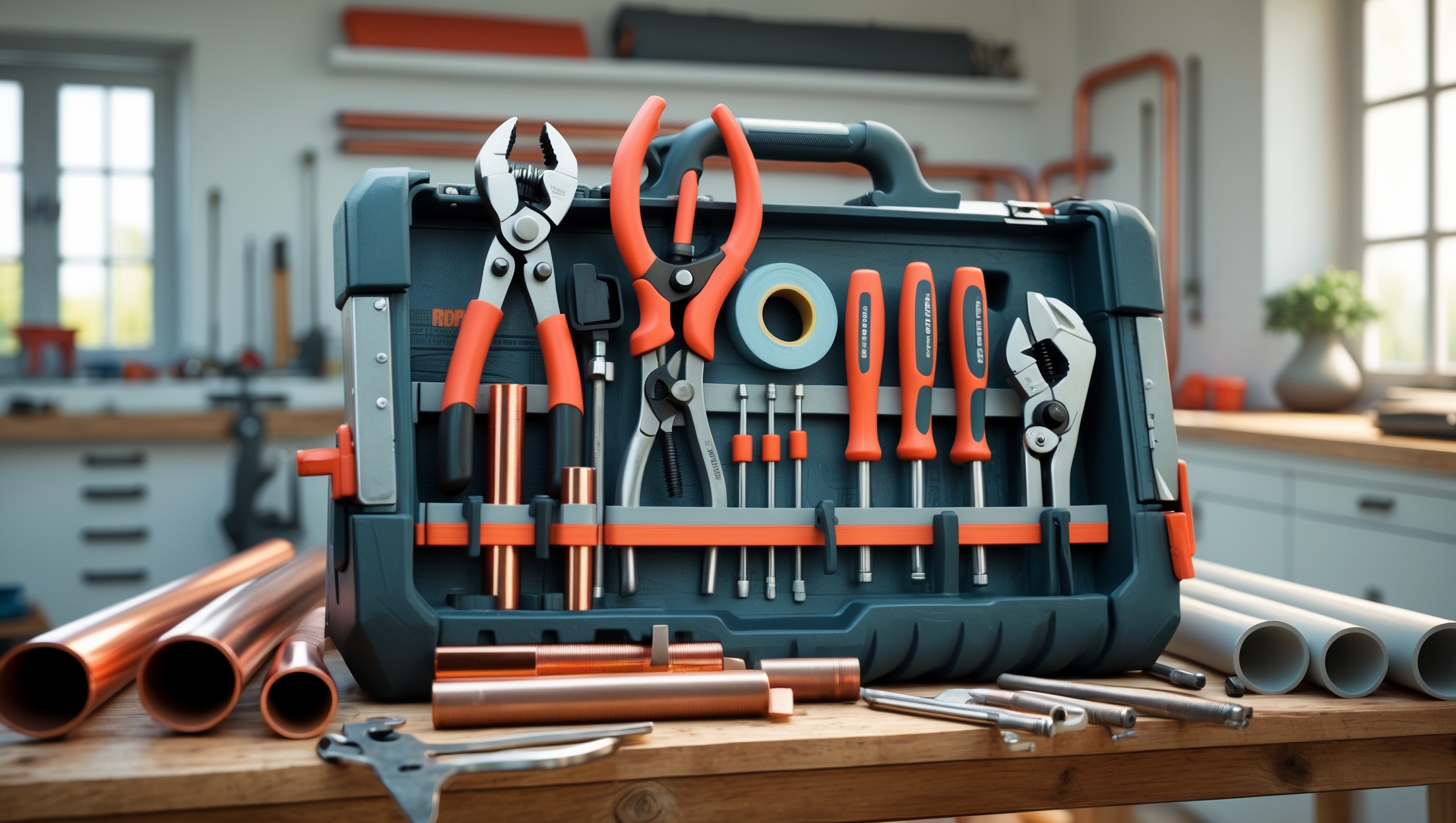
Introduction: The Value of the Right Plumbing Tools
Tackling basic plumbing repairs yourself can save money, build confidence, and help you keep your home in good working order. However, every successful DIY plumbing project starts with having the right tools and equipment. Choosing the correct gear not only makes jobs easier and faster—it also ensures safety, prevents costly mistakes, and can even extend the lifespan of your home’s plumbing system. Whether you’re fixing a leaking faucet, replacing a section of pipe, or unclogging a stubborn drain, having a well-stocked plumbing toolkit is crucial. Yet for many homeowners, knowing which tools are truly essential, which are nice-to-have, and how to use them safely can feel overwhelming. In this guide, we’ll break down the must-have plumbing tools for beginners and enthusiasts alike, explain the role of each piece of equipment, and provide practical advice for assembling your own efficient and safe DIY plumbing toolkit. We’ll also cover safety gear, tips for tool care and storage, and how to choose quality over quantity—so you’re prepared for anything your home’s pipes throw your way.
Essential Hand Tools for DIY Plumbing
The foundation of any plumbing toolkit is a set of reliable hand tools. Here’s what every homeowner should have, with a focus on versatility and safety.
- Adjustable Wrench: Vital for tightening and loosening nuts and fittings. Choose one with a comfortable grip and smooth jaw adjustment.
- Pipe Wrench: Designed to grip and turn pipes and fittings. Two are often needed—one to hold and one to turn. Opt for a 10″ and a 14″ size for flexibility.
- Slip-Joint and Channel-Lock Pliers: Great for gripping, twisting, and holding pipes or fixtures. Channel-lock pliers allow for wider jaw adjustment.
- Basin Wrench: Specifically for tightening hard-to-reach faucet nuts under sinks. The long shaft and swiveling jaw are indispensable for this task.
- Hacksaw: Used for cutting metal and plastic pipes, bolts, and hardware. Ensure you have extra blades for tougher jobs.
- Pipe Cutter: Makes clean, straight cuts on copper, brass, or plastic pipes. A mini cutter is ideal for tight spaces.
- Plumber’s Tape (Teflon Tape): Essential for sealing threaded connections and preventing leaks.
- Plunger: A classic cup plunger for sinks and a flange plunger for toilets—both are must-haves for clearing common clogs.
- Plumber’s Putty: Seals joints around faucets and drains to prevent leaks.
Specialized Plumbing Tools Worth Owning
While the essentials cover most jobs, a few specialized tools can make certain repairs much easier and more effective.
- Pipe Deburring Tool: Smooths rough edges on cut pipes, preventing leaks and injuries.
- Compression Sleeve Puller: Saves time and effort when removing compression sleeves from pipes.
- Faucet Seat Wrench: For removing and replacing faucet seats during leak repairs.
- Drain Snake (Hand Auger): Clears tougher clogs that a plunger can’t handle. Choose a 15–25 ft. model for versatility.
- Closet Auger: Designed specifically for toilet clogs, with a protective sleeve to prevent bowl scratches.
- PEX Crimp Tool: If you’re working with PEX piping, this tool is essential for making leak-free connections.
- Propane Torch: For soldering copper pipes. Be sure to use it with proper safety gear and know-how.
Safety Equipment: Protect Yourself First
Plumbing work can expose you to sharp objects, hot water, chemicals, and confined spaces. High-quality safety gear should be a non-negotiable part of your toolkit.
- Safety Glasses or Goggles: Shields eyes from flying debris, chemicals, and water sprays.
- Cut-resistant Gloves: Protects hands from sharp pipe edges and tool slips.
- Knee Pads: Prevents discomfort and injury during work under sinks or in crawlspaces.
- Work Apron or Old Clothes: Keeps your clothes clean and provides pockets for small tools.
- Face Mask or Respirator: Useful when working with soldering fumes, mold, or chemical cleaners.
- Ear Protection: Recommended when using power tools or cutting metal pipes.
- Flashlight or Headlamp: Ensures visibility in dimly lit areas and tight spaces.
Power Tools for Advanced DIY Plumbing
For larger or more complex projects, power tools can save time and effort. Use these only if you’re confident in your skills and always follow safety protocols.
- Cordless Drill: Speeds up hole drilling for pipe installation and mounting fixtures. A set of drill bits for wood, metal, and masonry is recommended.
- Oscillating Multi-Tool: Great for cutting through drywall, flooring, or tight spots during pipe repairs or installations.
- Reciprocating Saw: For demolition or cutting through old pipes and tough materials quickly.
Consumables and Support Materials
Keep a supply of these items on hand so you’re never caught off guard in the middle of a repair.
- Assorted Washers and O-Rings: For faucet repairs and leak fixes.
- Pipe Dope (Thread Sealant): Seals threaded metal joints where Teflon tape isn’t enough.
- Replacement Supply Lines: Flexible hoses for sinks, toilets, and appliances.
- Bucket: Essential for draining pipes and catching water during repairs.
- Old Towels and Rags: Quickly soak up spills and protect surfaces.
Choosing Quality: What to Look for in Plumbing Tools
Investing in quality tools pays off with improved performance, safety, and durability. Consider these points when buying:
- Material: Tools made from chrome-vanadium steel or similar alloys last longer and resist corrosion.
- Ergonomic Design: Comfortable grips reduce hand fatigue and improve control, especially on longer jobs.
- Brand Reputation: Well-known brands may cost more but often offer better warranties and customer support.
- Try Before You Buy: Visit hardware stores to handle tools and check their weight and balance.
- Starter Kits: Some manufacturers offer bundled kits at a discount—ensure they contain high-quality, not just quantity.
Organizing and Caring for Your Plumbing Tools
Proper storage and maintenance extend tool life and make every project more efficient.
- Toolbox or Organizer: Invest in a sturdy, portable toolbox with compartments for small parts and fasteners.
- Wall-Mounted Storage: Pegboards or wall hooks in your garage or workshop keep frequently used tools accessible.
- Clean After Use: Wipe down tools to remove grime and moisture, preventing rust and buildup.
- Lubricate Moving Parts: A drop of oil on pliers and wrenches ensures smooth operation.
- Inspect Regularly: Check for signs of wear, cracks, or loose parts. Replace damaged tools promptly.
Safety Best Practices for DIY Plumbing
Shut Off Water and Power
Always turn off the main water supply before starting repairs. For work involving electric water heaters or garbage disposals, cut the power at the breaker box.
Ventilate the Work Area
Open windows and doors, especially when soldering pipes or using chemical cleaners. Proper ventilation reduces the risk of inhaling fumes.
Use Tools as Intended
Never substitute one tool for another—using pliers instead of a pipe wrench, for example, can damage both the tool and your plumbing.
Work Slowly and Deliberately
Rushing increases the chance of slips, mistakes, and injuries. Take your time and double-check your work.
Know Your Limits
If a repair involves complex rerouting, gas lines, or main water lines, consider hiring a licensed plumber. DIY is best for minor to moderate repairs within your skill set.
Common Mistakes to Avoid with Plumbing Tools
- Over-tightening Connections: This can strip threads or crack fittings, leading to leaks.
- Using the Wrong Tool Size: Always select the right size wrench or pliers for the job to prevent slippage and damage.
- Neglecting Safety Gear: Skipping gloves or goggles can result in serious injuries, even on “simple” jobs.
- Improper Pipe Cutting: Crooked or rough cuts increase the risk of leaks. Use pipe cutters or a fine-tooth hacksaw and always deburr after cutting.
- Leaving Tools Wet or Dirty: Moisture leads to rust and weakens tool integrity over time.
Building Your DIY Plumbing Toolkit: Starter List
Ready to assemble your own set? Here’s a practical checklist for beginners tackling common plumbing repairs:
- Adjustable wrench
- 10″ and 14″ pipe wrenches
- Slip-joint pliers
- Channel-lock pliers
- Basin wrench
- Hacksaw with extra blades
- Pipe cutter (mini for tight spaces)
- Plunger (cup and flange types)
- Plumber’s tape (Teflon tape)
- Plumber’s putty
- Safety glasses
- Cut-resistant gloves
- Bucket
- Old towels/rags
As your skills grow, add specialized tools like drain snakes, pipe deburring tools, and a PEX crimp tool as needed.
Conclusion: Invest in the Right Tools for DIY Plumbing Success
Taking on your own plumbing repairs can be empowering, cost-effective, and even enjoyable—provided you have the right tools and equipment for the job. The initial investment in quality tools quickly pays for itself in smoother repairs, fewer mistakes, and enhanced safety. By equipping yourself with the essentials—adjustable and pipe wrenches, pliers, a basin wrench, pipe cutter, plungers, and proper safety gear—you’ll be ready for the most common plumbing challenges. As you gain confidence, adding specialized tools opens the door to more advanced projects, saving even more on professional fees.
Remember, every tool has a purpose, and using the correct one not only makes your work more efficient but also protects your home and your health. Prioritize safety by investing in goggles, gloves, knee pads, and respiratory protection. Regularly clean, store, and maintain your tools so they’re always ready for action. Most importantly, know when a job is within your ability—and when it’s time to call in a pro. With this guide, you’re well on your way to building a robust, safe, and efficient plumbing toolkit that will serve you for years to come. Happy repairing!
I noticed you mentioned the importance of choosing quality over quantity when selecting plumbing tools. Could you give some guidance on where to invest in higher-quality tools versus where it’s okay to go with more budget-friendly options?
For plumbing, it’s wise to invest in high-quality tools that see frequent use or require strength and precision, like adjustable wrenches, pipe wrenches, and pipe cutters. These last longer and work better under pressure. For occasional-use items like plunger, Teflon tape, or basic screwdrivers, budget-friendly options are often fine. Prioritize durability and comfort for tools you’ll reach for often.