
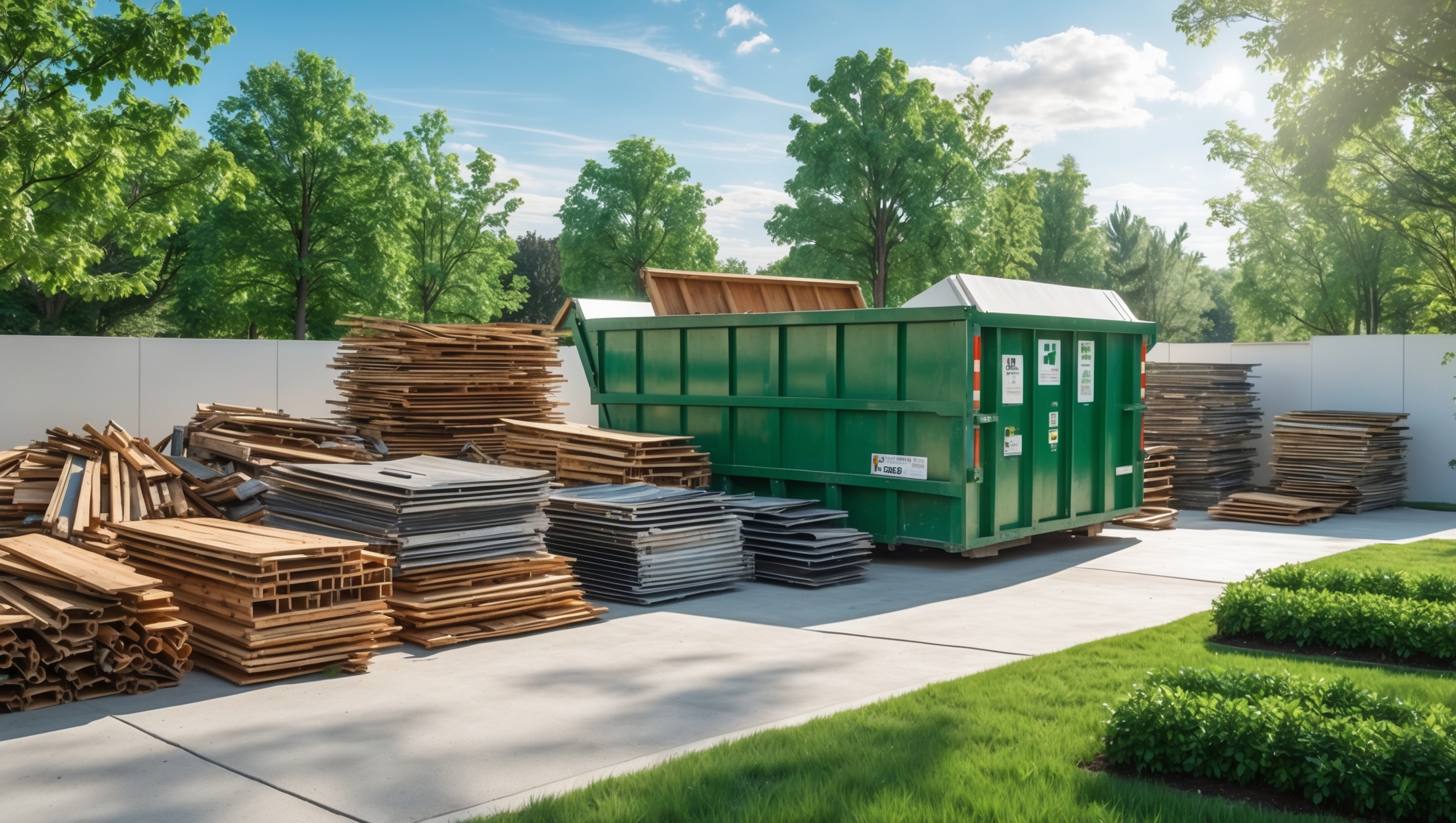
Introduction: Tackling the Waste Challenge in Home Renovations
Home improvement projects are exciting—there’s nothing quite like transforming your living space into something more functional, beautiful, or valuable. However, every renovation, big or small, generates waste: old cabinetry, drywall scraps, broken tiles, packaging, and even hazardous materials like paint or adhesives. If you’ve ever been knee-deep in debris after a weekend project, you know how quickly the mess can pile up. But what happens to that mountain of material once it leaves your property?
Properly managing renovation waste is crucial for your budget, your safety, and the environment. Many homeowners underestimate the complexity of demolition debris disposal, resulting in higher costs, potential fines, or environmental harm. With landfill space at a premium and recycling options expanding, adopting smart waste management strategies is more important than ever. In this guide, we’ll break down the best practices for handling renovation waste—from safe sorting and eco-friendly recycling to cost-saving disposal tips. Whether you’re updating a single room or gutting an entire house, you’ll finish your project with a cleaner conscience and a lighter environmental footprint.
Understanding Renovation Waste: Types and Challenges
Common Types of Home Renovation Waste
Before you can manage waste effectively, it’s important to know what you’re dealing with. Home renovation projects typically generate:
- Construction and Demolition (C&D) Debris: Drywall, lumber, flooring, tiles, bricks, concrete, roofing materials, and insulation.
- Packaging Waste: Cardboard, plastics, foam, and shrink wrap from new appliances, fixtures, and building materials.
- Hazardous Materials: Paints, solvents, adhesives, treated wood, asbestos-containing materials, and certain bulbs or batteries.
- Metals: Copper wiring, steel pipes, hardware, and aluminum window frames.
- Reusable Fixtures: Cabinets, doors, windows, sinks, and light fixtures.
Why Proper Waste Management Matters
Inefficient waste handling can lead to:
- Unexpected budget overruns from extra hauling or disposal fees.
- Regulatory fines for improper disposal of hazardous or recyclable materials.
- Environmental harm from landfill overflow and pollution.
- Personal safety risks from hazardous debris left on site.
With increasing regulations and landfill restrictions, smart waste management isn’t just a best practice—it’s a necessity.
Step-by-Step Guide to Managing Renovation Waste
1. Plan Ahead: Waste Audit and Disposal Strategy
Start waste management before your first wall comes down:
- Conduct a Waste Audit: List the materials you’ll be removing. Estimate quantities and identify items that require special handling.
- Map Out Disposal Options: Will you need a dumpster? Can some items be donated or recycled? Are there local restrictions or fees?
- Schedule Pickups: Book dumpster rentals and bulky waste pickups in advance, especially during busy seasons.
2. Sort as You Go: Separate, Don’t Mix
Mixing all debris together creates headaches down the line. Instead:
- Set Up Sorting Stations: Use clearly labeled bins or piles for wood, metal, drywall, masonry, cardboard, and hazardous waste.
- Keep Hazardous Materials Separate: Never toss paint cans, solvents, or treated wood with general waste.
- Identify Reusable Items: Salvage cabinets, doors, or fixtures for donation or resale.
3. Safe Removal and On-Site Storage
Safety is paramount during demolition and debris handling:
- Wear Protective Gear: Gloves, safety glasses, dust masks, and sturdy boots are non-negotiable.
- Designate a Debris Zone: Keep all waste in a contained, accessible area away from walkways and driveways.
- Secure Hazardous Substances: Store paints, chemicals, and sharp objects in sealed containers out of reach of children and pets.
4. Disposal and Recycling Options
There are more alternatives than simply hauling everything to the dump:
- Dumpster Rental: Ideal for large projects, but be sure to choose the right size and understand local rules for prohibited items.
- Curbside Pickup: Many municipalities offer bulky waste days or special pickups for appliances and furniture.
- Local Recycling Centers: Accept clean wood, metals, concrete, and sometimes drywall. Call ahead for accepted materials.
- Donation Centers: Organizations like Habitat for Humanity’s ReStores accept gently used building materials and fixtures.
- Hazardous Waste Collection: Most towns schedule periodic collection days for paint, chemicals, and electronics. Never place these in general trash.
Cost Breakdown: Budgeting for Waste Disposal
Typical Disposal Costs
Homeowners are often surprised by how quickly waste management expenses add up. Here’s what to expect:
- Dumpster Rental: $250–$600 per week, depending on size and location. Overweight or prohibited items incur extra fees.
- Bagster (Disposable Bag) Service: $150–$350 per bag, suitable for smaller projects.
- Hauling Services: $100–$800+, based on load size, distance, and labor.
- Local Disposal Fees: Vary by material—some recycling centers accept items for free, while landfills may charge $40–$100 per ton.
- Special Handling: Hazardous waste, appliances with refrigerants, and electronics often require separate fees or permits.
How to Save Money on Waste Disposal
- Deconstruct, Don’t Demolish: Salvage reusable materials and fixtures to reduce waste volume and disposal fees.
- Recycle Aggressively: Divert as much as possible to recycling centers—many accept metals, wood, and masonry for free or at reduced cost.
- Share a Dumpster: Coordinate with neighbors planning projects to split rental costs.
- Use Municipal Services: Maximize free or low-cost pickup options provided by your city or county.
- Rent the Right Size: Avoid overpaying for a dumpster larger than you need, but don’t underestimate—multiple hauls are costly.
Recycling and Reuse: Eco-Friendly Approaches
What Can Be Recycled?
- Metals: Copper, steel, and aluminum are highly recyclable. Scrap yards may even pay for these materials.
- Clean Wood: Untreated lumber can be recycled or chipped for mulch in some communities.
- Concrete and Masonry: Can be crushed for use in road base and construction fill.
- Cardboard and Packaging: Often accepted curbside or at recycling centers.
- Appliances: Some utilities offer rebates for recycling old refrigerators or washers.
Donation and Reuse Opportunities
- Building Material Reuse Stores: Donate cabinets, lighting fixtures, doors, and windows.
- Online Marketplaces: Offer surplus tiles, flooring, or hardware on local classifieds or social platforms.
- Community Projects: Schools, theaters, or nonprofits may accept lumber or paint for creative projects.
Hazardous Materials: Safe and Legal Disposal
Never dispose of hazardous materials in regular trash or down the drain. For items like paint, solvents, asbestos, and old electronics:
- Contact your local hazardous waste facility for drop-off locations and schedules.
- Follow labeling and storage guidelines to prevent leaks or spills.
- Check for special disposal programs offered by paint or electronics retailers.
Legal Compliance and Environmental Responsibility
Know the Regulations
Waste disposal laws vary by city and state. Always check:
- Permitted Items: Some landfills ban certain materials (e.g., tires, asbestos, treated wood).
- Weight Limits: Exceeding dumpster weight limits leads to costly overage charges.
- Permit Requirements: Large dumpsters on public property may need a permit.
- Documentation: Keep receipts or manifests for hazardous waste disposal as proof of compliance.
Penalties for Improper Disposal
Illegal dumping or improper disposal of hazardous materials can result in steep fines and, in some cases, legal action. Don’t risk your project budget or reputation—always dispose responsibly.
Advanced Tips: Reducing Waste Before It Starts
Smart Planning and Material Choices
- Order Precisely: Calculate material needs carefully to avoid excess.
- Opt for Modular or Prefabricated Products: These often generate less installation waste.
- Choose Recyclable Materials: Select products that are easy to recycle at end-of-life.
- Reuse On-Site: Old bricks, lumber, or tiles can be repurposed in landscaping or accent features.
Engaging Professionals
Some contractors specialize in deconstruction and green demolition, maximizing salvage and recycling. Ask for waste management plans as part of your contractor selection process.
Maintenance Best Practices: Keeping Waste Under Control
Daily Cleanup and Organization
- End-of-Day Sweep: Clear debris and sweep work areas daily to maintain safety and order.
- Regular Bin Emptying: Don’t let sorting stations overflow—schedule regular drop-offs or pickups.
- Monitor for Hazards: Check for exposed nails, sharp edges, or hazardous spills.
Post-Project Cleanup
After the last nail is hammered, don’t neglect the final cleanup. Walk through your property to ensure all debris is removed, hazardous materials are disposed of, and landscaping is restored.
Conclusion: Building Better by Managing Waste Responsibly
Every home renovation, whether a weekend kitchen makeover or a full-scale addition, creates waste. How you handle that waste matters—not only for your project budget and property value, but for the environment and your local community. By planning ahead, separating materials, recycling aggressively, and leveraging donation opportunities, you can dramatically reduce the impact of your renovation. Even small changes—like sharing a dumpster with a neighbor or dropping off scrap metal at a recycling yard—make a big difference over time.
Waste management isn’t just about compliance or cost savings. It’s about taking responsibility for the materials you bring into your home and where they end up. By following the strategies outlined here, you’ll keep your home improvement project running smoothly, avoid unexpected expenses, and contribute to a healthier planet. The next time you tackle a renovation, make waste management a central part of your planning. You’ll finish with a space you love—and the peace of mind that comes from doing the job right, start to finish.
I’m about to start demo on my bathroom and expect a ton of drywall and tile debris. Would you recommend renting a dumpster, or are there more cost-effective disposal options if I sort out recyclable materials myself?
If you’re willing to separate recyclable materials yourself, you can often save money by hauling loads to local recycling facilities or the landfill in your own vehicle. This works well for smaller projects. For lots of debris or limited transport options, a dumpster rental offers convenience, though it typically costs more. Some cities also have debris bag services or curbside pickup for sorted materials, which can be more affordable if available in your area.
When it comes to cost-saving tips, do you have any advice on whether renting a dumpster or making several trips to a landfill is more budget-friendly for a medium-sized kitchen remodel?
For a medium-sized kitchen remodel, renting a small-to-medium dumpster can often be more cost-effective and convenient than making multiple landfill trips, especially when you factor in your time, fuel, and potential landfill fees. However, if your local landfill charges low fees and you have easy access to a suitable vehicle, multiple trips might save money. Compare rates and consider the amount of debris before deciding.
If I’m just renovating a single room and want to prioritize eco-friendly disposal, what’s a realistic timeframe to sort, recycle, and dispose of the waste responsibly? Does it usually add a lot of time to a DIY renovation?
For a single-room renovation, allocating one or two extra days specifically for sorting, recycling, and responsible disposal is usually realistic. Sorting materials as you go—such as separating wood, metal, and recyclable items—helps minimize extra effort at the end. While it does add some time compared to tossing everything out, most DIY renovators find the extra planning and sorting manageable, especially with local recycling centers or waste pickup services.
Do you have any advice on how to identify which packaging materials from new appliances or fixtures can actually be recycled curbside versus which need to go to a special recycling center?
To figure out which packaging materials can go in your curbside recycling, check for recycling symbols and numbers on items like cardboard boxes and certain plastics, as these are widely accepted. Foam packaging (like Styrofoam), plastic film, and some mixed-material packages usually aren’t accepted curbside and should be taken to designated recycling centers if available. When in doubt, consult your local waste management guidelines to avoid contamination.
I have some old cabinets and doors from my remodel that are still in good shape. Does the article have tips on finding organizations or companies that accept reusable fixtures, or is that something homeowners typically need to research on their own?
The article does mention that donating reusable items like cabinets and doors is a great way to reduce waste, and it suggests checking with local charities or reuse centers. However, it encourages homeowners to do a bit of research to find organizations or companies in their area that accept building materials, as availability can vary by location.
When dealing with a larger renovation, is it better to rent a dumpster for all waste types together or should separate containers be arranged for things like metals and hazardous items?
For a larger renovation, it’s generally best to separate waste types. Metals and hazardous items should not go into a general dumpster, as hazardous waste requires special handling and metals can often be recycled for value. Renting separate containers helps ensure proper disposal and can even save money, since recycling metals separately may reduce overall disposal costs and avoid fines for improper hazardous waste handling.
Is there a recommended timeline for sorting and removing different types of construction and packaging waste during a renovation project so debris doesn’t pile up and become overwhelming?
Sorting and removing waste regularly throughout your renovation project is key to keeping things manageable. Ideally, set aside time at the end of each workday to separate materials—such as wood, metal, recyclables, and general debris—into designated piles or bins. Schedule pickups or drop-offs for larger items weekly or as bins fill up. This routine helps prevent buildup and makes final clean-up much easier.
When it comes to reusable fixtures such as cabinets or doors, do you have advice on how to find organizations or people who might want to take them instead of sending them to a landfill?
Absolutely, donating or rehoming reusable fixtures is a great way to reduce waste. You can start by contacting local charities, architectural salvage yards, or community reuse centers, as they often accept cabinets, doors, and similar items. Online platforms like community forums, neighborhood social media groups, or classified sites are also effective for finding individuals interested in taking these items off your hands. Remember to clean and photograph the fixtures before listing or donating to make them more appealing to potential takers.
When managing packaging waste from new appliances and fixtures, is it better to recycle these materials on my own or should I look for specialized local collection programs? What are the most efficient ways to handle all the cardboard and plastics?
Recycling packaging waste like cardboard and plastics from new appliances is most efficient when you break down boxes and separate materials first. Check your local recycling guidelines—many areas accept clean, flattened cardboard and certain plastics curbside. However, for Styrofoam or unusual plastics, specialized local collection programs or drop-off centers are often better. Using a mix of curbside recycling and specialized programs ensures most materials are handled responsibly.
If I’m handling most of the demo work myself, how should I estimate the right dumpster size to avoid overspending or running out of room for all the drywall, lumber, and packaging waste?
To estimate the right dumpster size, list out the main materials you’ll be removing—like drywall, lumber, and packaging—then measure or estimate their total volume in cubic yards. As a rule of thumb, a small bathroom or kitchen often fills a 10-yard dumpster, while major renovations may need a 20-yard or larger. If unsure, talk with your dumpster provider; they can help match your project scope and prevent you from overpaying or running out of space.
When you mentioned hazardous materials like old paint and adhesives, what’s the safest and most affordable way for a homeowner to dispose of those without getting fined? Are there usually city programs for that?
The safest way to dispose of hazardous materials like old paint and adhesives is to use your city’s household hazardous waste collection programs. Many municipalities offer drop-off events or designated centers for these items, often at no charge to residents. Check your local government website or waste management department to find out the specific guidelines and schedules. Never pour these materials down the drain or into regular trash to avoid fines and environmental harm.
For hazardous renovation waste like leftover paint or adhesives, do local waste facilities in the US typically accept these, or are there specific drop-off days or locations homeowners need to find? I want to make sure I’m handling this responsibly and safely.
Most local waste facilities in the US do not accept hazardous renovation materials like leftover paint or adhesives in regular trash. Instead, many communities offer designated Household Hazardous Waste (HHW) collection days or have special drop-off centers. It’s best to check with your local waste management authority for specific guidelines, locations, and schedules to ensure you dispose of hazardous waste safely and legally.
Sometimes I struggle to find local facilities that accept materials like treated wood or old tile. What’s the best way for a business owner to find out about recycling or disposal options in their area, especially for unusual renovation waste?
To identify local recycling or disposal options for materials like treated wood or old tile, consider contacting your city or county waste management department—they usually have up-to-date information on accepted materials and facilities. You might also try reaching out to local construction material suppliers, as they sometimes know of specialty recyclers. Additionally, some regions have online directories or hotlines specifically for business waste disposal, which can help locate places that handle unusual renovation waste.
How do you recommend sorting out packaging waste versus construction debris during a big renovation project to make recycling easier and avoid mixing up materials?
To keep packaging waste separate from construction debris, set up clearly labeled bins or areas at your renovation site: one for packaging like cardboard, plastic, and foam, and another for materials like wood, drywall, or tile. Try to break down boxes and flatten materials as you go. Train everyone involved to use the correct bins, and remove waste regularly so materials don’t get mixed up.