
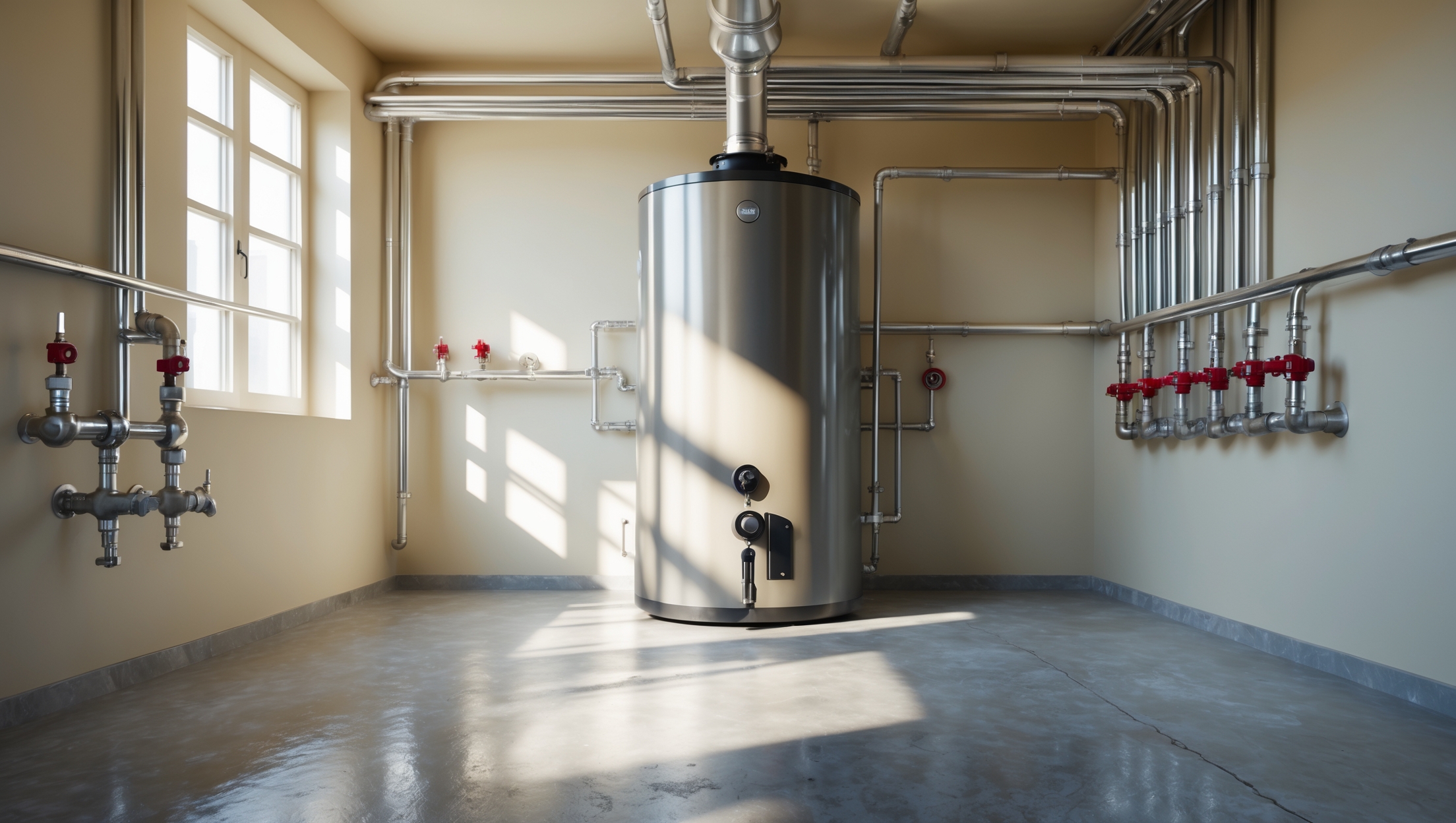
Introduction: Why Careful Water Heater Replacement Matters
Upgrading or replacing a home water heater is an investment that impacts your comfort, energy bills, and even home safety. Whether facing an aging, inefficient unit or responding to a sudden failure, homeowners often underestimate the complexity behind water heater replacement. Beyond simply choosing a new model, you must consider cost planning, local compliance requirements, and ongoing maintenance to get the best performance and value from your new system.
This comprehensive guide takes you step by step through the water heater replacement process. We’ll break down typical costs—including hidden expenses—explain permitting and code requirements, and offer practical tips for maintaining your new heater for years of reliable service. Whether you’re a seasoned DIYer or hiring a pro, this resource equips you with the knowledge to make confident decisions and avoid costly mistakes.
Understanding Your Current Water Heater: Assessment First
Signs It’s Time to Replace
- Age: Most tank-style heaters last 8–12 years; tankless models average 15–20.
- Rusty water: Brownish water from hot taps often signals tank corrosion.
- Noises: Rumbling or popping sounds can indicate sediment build-up.
- Leaks: Moisture or pooling around the base usually means the tank is compromised.
- Insufficient hot water: If your heater can’t keep up, it may be failing or undersized.
Choose the Right Replacement Type
Today’s options include traditional tank heaters (electric or gas), tankless (on-demand) units, hybrid heat pump models, and solar-assisted systems. The best choice depends on your household size, fuel availability, efficiency goals, and budget.
Cost Breakdown: What to Expect (And Plan For)
Upfront Costs
- Unit cost: Basic electric tanks start at $400–$600. Gas tanks range $600–$900. Tankless models run $900–$2,500. Hybrid heat pumps cost $1,200–$2,500.
- Installation labor: Professional install typically adds $400–$1,500, depending on complexity and location.
- Permits and inspections: Most municipalities require permits ($50–$300) and a final inspection.
Hidden and Extra Costs
- Upgrading venting or gas lines: Swapping fuel types or upgrading to tankless may require new venting or larger gas lines ($300–$1,500).
- Electrical rewiring: Tankless and heat pump units often need a dedicated circuit.
- Disposal of old unit: Removal fees can run $50–$150.
- Expansion tanks and accessories: Some codes require an expansion tank or earthquake straps ($50–$200).
Operating Costs
Consider ongoing energy usage. Tankless and heat pump models cost more up front but offer significant savings over time. Use the EnergyGuide label to estimate annual operating expenses and compare models.
Budgeting Strategies for a Smooth Upgrade
Evaluate Rebates and Incentives
Many utility companies and local governments offer rebates for high-efficiency heaters or switching from electric to gas (or vice versa). Check DSIRE or your energy provider’s website for offers.
Get Multiple Quotes
Shop around for both the unit and installation labor. Detailed quotes should include all anticipated costs—ask about hidden fees, especially for code upgrades or old unit removal.
Plan for the Unexpected
Set aside a 10–20% contingency fund for unplanned expenses like additional plumbing, electrical work, or code-mandated upgrades discovered during installation.
Compliance and Permits: Staying Legal and Safe
Why Permits Matter
Most cities and counties require a permit for water heater replacement to ensure the work meets safety codes. Unpermitted work can void insurance, lead to fines, and cause problems when selling your home.
Common Permit Requirements
- Proper venting (for gas units)
- Seismic strapping (in earthquake-prone areas)
- Pressure relief valve with discharge pipe
- Expansion tank installation (where required)
- Safe clearances around the unit
- Dedicated electrical circuit (for some models)
Contact your local building department for exact requirements. Some areas allow homeowner installation; others require a licensed plumber or HVAC technician.
Inspection Process
After installation, a city inspector will check for code compliance, safety, and proper operation. Don’t skip this step—even if your contractor offers to “handle it quietly.” Insist on a permit and inspection for your protection.
Choosing Between DIY and Professional Installation
When DIY Makes Sense
- Replacing a like-for-like electric tank with accessible plumbing
- Basic plumbing skills and comfort with local code requirements
Even experienced DIYers should avoid working with gas lines or major electrical upgrades unless qualified. Mistakes can be dangerous and void warranties or insurance.
When to Hire a Pro
- Gas or tankless installation requiring new venting or fuel lines
- Hybrid/electric heat pump models needing electrical work
- Any uncertainty about code compliance or permitting
Licensed professionals ensure code-compliant, safe installation and handle permitting and inspections. This can save time and reduce risk.
Step-by-Step Replacement Process
1. Preparation
- Shut off water supply and power/fuel source
- Drain the old tank completely
- Disconnect water, gas, and/or electrical lines
2. Removal
- Carefully remove the old water heater from the premises
- Inspect plumbing and venting for wear or code issues
3. Installation
- Set the new unit in place, ensuring proper clearances
- Connect water lines, using new flexible connectors where possible
- Install venting (for gas or tankless units) as per manufacturer specs and codes
- Connect fuel or electrical supply
- Add expansion tank or seismic straps if needed
4. Testing and Inspection
- Check all connections for leaks
- Restore power/fuel and fill the tank or activate the tankless unit
- Test for correct operation and water temperature
- Schedule and pass final inspection
Essential Maintenance Tips for Long-Term Performance
Annual Tank Flushing
Drain and flush tank models at least once per year to remove sediment. This improves efficiency and extends tank life.
Check Anode Rod
Inspect the sacrificial anode rod every 2–3 years and replace if more than 50% depleted. This prevents tank corrosion.
Test Pressure Relief Valve
Annually, lift the valve’s lever to ensure it releases water. Replace it if it’s stuck or leaks.
Tankless System Maintenance
Descale tankless units yearly (or more frequently in hard water areas) to prevent mineral build-up that reduces efficiency and lifespan.
Monitor for Leaks and Drips
Regularly inspect connections, pipes, and the tank base for any signs of moisture. Address small leaks promptly to avoid water damage.
Maintain Clearance
Keep the area around the heater clear of debris and flammable materials. Ensure vents and air intakes are unobstructed.
Common Mistakes to Avoid
- Skipping permits or inspections—this invites safety and insurance problems
- Improper venting—can lead to dangerous carbon monoxide buildup
- Wrong unit size—undersized units cause frustration, oversized ones waste energy
- Neglecting regular maintenance—shortens lifespan and voids warranties
- Ignoring local code upgrades—potentially requiring costly rework
Safety Checklist: Installation and Operation
- Verify all power and fuel sources are OFF before starting work
- Use approved flexible connectors and shutoff valves
- Install a drip pan with a drain line, especially in finished areas
- Ensure temperature settings do not exceed 120°F to prevent scalding
- Install carbon monoxide detectors near gas units
- Label shutoff valves and breaker switches for future service
Conclusion: Invest in Comfort, Efficiency, and Peace of Mind
Replacing your home water heater is far more than a simple swap—it’s a multifaceted project that demands attention to cost, compliance, and ongoing care. By thoroughly researching your options, budgeting for all associated expenses, and securing the right permits, you set the stage for a safe, efficient upgrade that delivers reliable hot water for years to come. Skimping on proper installation or ignoring maintenance can lead to costly failures, safety hazards, and even insurance headaches down the road.
Whether you tackle the project yourself or hire a professional, prioritize code compliance and quality workmanship. Invest in a model that matches your household’s needs and factor in the long-term benefits of energy-efficient options, even if they cost more up front. Don’t forget to take advantage of rebates and incentives, and always schedule regular maintenance to maximize your unit’s lifespan.
Most importantly, remember that a well-planned water heater replacement not only boosts comfort and efficiency but also safeguards your home and family. Approach the process with diligence and care, and you’ll enjoy years of reliable hot water and peace of mind.
I noticed you mentioned hidden expenses in water heater replacement. Can you elaborate on what some of those hidden costs might be? I want to make sure I don’t miss any unexpected fees when planning my budget for a new unit.
Some hidden costs in water heater replacement can include permits and inspection fees, especially if local codes require them. You might also encounter additional plumbing or electrical work if your new heater has different requirements than your old one. Disposal fees for your old unit, changes needed to venting or gas lines, and costs for bringing your setup up to current code can also add up. It’s a good idea to discuss these possibilities with your installer before starting the project.
For older homes with outdated water heaters, are there usually extra costs involved for bringing things up to current code or handling permits, and how can I estimate those before starting a replacement project?
Yes, in older homes, it’s common to face extra costs when replacing a water heater. These might include updating venting, electrical, or plumbing to meet current codes, as well as permit fees. To estimate costs, contact licensed plumbers for detailed quotes and ask about code upgrades and permit requirements. Your local building department can also provide permit fee information and specific code updates that may apply to your home.
You mention that professional installation can add $400 to $1,500 to the total cost, but how much of that range is typically due to permitting and code compliance? Are there specific compliance factors that can really increase the labor costs in certain regions?
Permitting and code compliance can make up anywhere from $100 to $500 of the installation cost, depending on your location. Some regions have stricter plumbing, venting, or seismic requirements, which can increase both permitting fees and the amount of labor needed. In areas with older homes or more complex codes, you might see the higher end of the range, especially if upgrades are needed to meet current standards.
For families that need consistent hot water in the mornings, is there a noticeable difference in performance between tankless and traditional tank heaters, and does one require more maintenance long-term?
Tankless water heaters usually provide a continuous supply of hot water, which can be great for families needing back-to-back showers in the morning. Traditional tank heaters can sometimes run out if demand is high. However, tankless models may need more regular maintenance over time, like descaling, especially in areas with hard water. Traditional tanks need less frequent maintenance but should be flushed annually to prevent sediment buildup.
How much time should I expect the whole replacement process to take, from deciding on a model to having hot water restored, especially if I’m hiring a professional installer rather than doing it myself?
From selecting your new water heater to having hot water restored, the process usually takes between one to three days when working with a professional. Choosing a model and scheduling the installation may take a day or two, depending on availability, while the actual installation and restoration of hot water often takes just a few hours, provided there are no unexpected complications.
If my current heater is about 10 years old and making rumbling noises but not leaking, is it smart to replace it now, or can I safely wait until I see more obvious signs like pooling water?
Rumbling noises in a 10-year-old water heater usually suggest sediment buildup, which can reduce efficiency and strain the tank. While there’s no immediate danger if there’s no leaking, waiting may increase the risk of a sudden failure and potential water damage. If your heater is near the end of its typical lifespan, planning a replacement soon is a safer and more convenient option.
If my current heater is making loud rumbling sounds but not leaking yet, is it worth trying any maintenance fixes before replacing it, or is that usually a sign it’s time for a new one regardless?
If your water heater is making loud rumbling sounds, it often indicates sediment buildup at the bottom of the tank. You can try flushing the tank to remove the sediment, which might quiet the noise and extend the heater’s life. However, if the unit is old or the noise persists after maintenance, it may be nearing the end of its lifespan and replacement could be the better long-term solution.
You mentioned local permitting and code requirements when replacing a water heater. How do I actually find out what my local compliance rules are, and is that something a professional installer typically takes care of, or do I need to handle it myself?
To find your local compliance rules for water heater replacement, you can contact your city or county building department, or check their website for specific codes and permit requirements. Most licensed professional installers are familiar with local regulations and will usually handle the permitting process for you, but it’s a good idea to confirm this with them before starting your project.
Could you provide more detail on what kind of ongoing maintenance a homeowner should do with a new tankless unit to make sure it lasts 15–20 years like you mentioned?
For a tankless water heater to last 15–20 years, regular maintenance is essential. Homeowners should flush the unit annually to remove mineral buildup, especially in areas with hard water. Cleaning or replacing the inlet filter every few months helps maintain flow and efficiency. It’s also wise to have a professional inspect the unit periodically to check for leaks or error codes and to ensure the venting system is clear and safe.
The article mentions that tank-style heaters last around 8–12 years. If someone is seeing rusty water but their unit isn’t that old, are there other potential causes to investigate before deciding on a full replacement?
Yes, rusty water from a relatively new tank-style heater could be caused by several things besides tank deterioration. Check whether the issue appears only with hot water—if so, it may point to the heater. Sometimes, the problem could be with aging galvanized pipes or a failing anode rod inside the heater. Having a plumber inspect the system can help identify the exact cause and may allow for repairs instead of a full replacement.
For someone considering a DIY installation, how difficult is it to handle the local compliance and permitting aspect? Are there typical steps homeowners should expect to go through before swapping out their water heater themselves?
Handling local compliance and permits for a DIY water heater installation can be a bit challenging. Most areas require you to apply for a permit before starting any work, which often involves submitting details about the new heater and sometimes a site plan. Inspections are usually required after installation to ensure everything meets safety codes. Homeowners should check with their local building department for specific requirements and fees, and be prepared to schedule and pass an inspection once the installation is complete.
You mention that hidden expenses can arise during water heater replacement. Could you provide examples of what some of these common hidden costs might be, particularly for older homes?
Certainly, hidden costs in water heater replacement for older homes can include upgrading outdated plumbing or venting systems to meet current codes, dealing with asbestos or lead remediation if materials are discovered, electrical rewiring to accommodate new heater requirements, or repairing water damage found during removal of the old unit. These expenses are not always obvious at first but can add up quickly once the project begins.
With the different replacement options, like hybrid heat pumps and tankless units, how should I weigh the higher upfront cost against long-term savings on energy bills? Is there a rule of thumb for when the investment pays off?
When considering options like hybrid heat pumps or tankless units, compare the higher initial cost with the estimated annual energy savings. A common rule of thumb is to divide the extra upfront cost by the yearly savings to estimate the payback period. If you plan to stay in your home longer than that payback period, the investment typically makes sense. Also factor in potential rebates and your local energy rates, as these can significantly affect savings.
You mention that permitting and code compliance are important steps in the replacement process. Is this something that homeowners can handle themselves, or should it always be left up to the professionals?
Permitting and code compliance can sometimes be handled by homeowners, especially if you’re comfortable researching local regulations and filling out paperwork at your local permitting office. However, many homeowners prefer to let licensed professionals manage this part, since they’re experienced with local codes and can ensure everything passes inspection. If you’re unsure, it’s often safer and less stressful to have a professional take care of it.
If my current tank heater is leaking but still runs, how urgent is it to replace it based on the signs listed? Is there any short-term fix or should I shut it off immediately to prevent damage?
A leaking tank water heater is usually a sign of an internal failure, and even if it’s still running, it can lead to serious water damage very quickly. It’s best to shut off the heater right away—both the power and water supply—to prevent further issues. Short-term fixes typically don’t work for tank leaks, so prompt replacement is the safest option.
If my current heater is showing signs of rust in the water but there are no leaks yet, how urgent is it to replace it? Can simple maintenance buy me more time, or is replacement the safest route?
Rust in your water is a strong sign that your water heater’s tank may be starting to corrode from the inside. Even if there are no leaks yet, this usually means the tank is weakening and could fail soon, sometimes suddenly. Flushing or maintenance may temporarily help if the rust is from pipes, but if it’s from the heater tank, replacement is the safest option to avoid unexpected leaks or flooding.
You mention that hybrid heat pump water heaters are an option, but I’m wondering how difficult they are to install compared to traditional tank models. Would a typical DIYer be able to handle a heat pump installation, or does it really require a professional?
Hybrid heat pump water heaters are generally more complex to install than traditional tank models. They often require additional space, proper ventilation, and sometimes electrical upgrades. While an experienced DIYer might handle a standard tank replacement, installing a heat pump model usually requires plumbing, electrical, and possibly HVAC skills, so most homeowners hire a professional to ensure it’s done safely and meets code requirements.
For someone on a tight budget, are there any reliable ways to reduce installation costs, like tackling part of the project yourself or shopping for refurbished units? Or do you generally recommend leaving everything to a professional for safety and compliance reasons?
If you’re on a tight budget, you can sometimes save money by sourcing your own water heater or comparing quotes from different installers. Shopping for gently used or refurbished units can also cut costs, but make sure they’re certified and in good condition. However, for most installations, especially involving gas or electrical connections, professional help is highly recommended for safety and to meet local code requirements. You might consider handling prep work, like clearing the area, to reduce some labor charges.
You mentioned that hybrid heat pump water heaters cost more upfront, but are there long-term savings on energy bills compared to traditional electric or gas models? I am trying to figure out if the extra investment pays off over time.
Yes, hybrid heat pump water heaters do have a higher upfront cost, but they are much more energy-efficient than traditional electric or gas models. Over time, the reduced energy usage typically results in significant savings on your utility bills. Most homeowners find that, depending on local energy rates and usage, the initial investment can be recovered within a few years, making it a cost-effective choice in the long run.
I noticed you mentioned that hybrid heat pump models tend to be more expensive upfront. What kinds of long-term maintenance or operational savings can homeowners realistically expect compared to traditional electric or gas tank heaters?
Hybrid heat pump water heaters generally cost less to operate than traditional electric or gas tank heaters because they use electricity more efficiently. Homeowners often see energy savings of 50% or more over time. Maintenance is similar to regular heaters—mainly flushing the tank and cleaning air filters—but the reduced energy use can mean significant utility bill savings, making up for the higher upfront cost in a few years for many households.
You mention hybrid heat pump water heaters costing quite a bit more than traditional tank styles. Are there specific situations where the extra upfront expense is worth it, especially for a smaller household?
Hybrid heat pump water heaters can be worth the higher upfront cost in certain cases, even for smaller households. If your home has high hot water usage, energy rates are expensive, or you want to reduce your long-term utility bills, the efficiency savings can pay off over time. They also make sense in warm climates where they operate most efficiently. For households planning to stay in the same home for several years, the investment is more likely to pay back.
The article talks about choosing between tank, tankless, hybrid heat pump, and solar-assisted systems. If energy efficiency is my main goal but I’m also concerned about maintenance complexity, which type do you think is the best balance for a family of four?
For a family of four prioritizing energy efficiency while keeping maintenance straightforward, a hybrid heat pump water heater is a strong choice. It’s much more efficient than traditional tank heaters and usually less complex to maintain than solar-assisted systems. Tankless heaters are very efficient too, but require regular descaling and may need multiple units for higher usage. A hybrid balances efficiency, capacity, and manageable maintenance well for most households.
How much time does it typically take for a DIYer to replace a standard gas water heater from start to finish, including draining and removing the old unit? I want to get an idea if this is a weekend project or something longer.
For a DIYer with basic plumbing skills, replacing a standard gas water heater usually takes about 4 to 8 hours, including draining the old tank, removing it, installing the new unit, and making all the necessary connections. This makes it a manageable weekend project for most people, but it’s wise to set aside a full day in case you encounter any unexpected issues.
You mentioned permitting and code requirements. How do I find out exactly what my local compliance rules are before buying a new heater, and what happens if I accidentally skip this step?
To find your local compliance rules, contact your city or county building department—they can tell you about permits, codes, and approved heater types for your area. Skipping this step can lead to fines, delays in installation, or being required to redo the work to meet code, so it’s best to check before making a purchase.
If I start noticing rusty water and popping sounds but no leaks yet, is it still possible to safely keep using my current water heater for a little while, or is replacement urgent at that point?
Rusty water and popping sounds are signs that your water heater is experiencing internal corrosion and sediment buildup. While there may not be leaks yet, these signs often mean failure could be close. It’s possible to use it for a short while, but it’s safer to replace it soon to avoid unexpected leaks or water damage. Scheduling a replacement now can help you avoid emergency situations and higher repair costs.
If my current water heater is leaking but still produces hot water, how urgent is it to replace it? Are there risks to waiting a bit, or could the situation get worse quickly?
A leaking water heater is a sign that something is wrong, even if you still have hot water. The leak could worsen quickly, leading to possible flooding and water damage. There’s also a risk of electrical issues or mold if water spreads. It’s best to arrange for a replacement or repair as soon as possible rather than waiting, since the situation can deteriorate rapidly.
I noticed you recommend choosing a model based on household size and efficiency goals. How can I accurately determine if a tankless or hybrid heat pump system would keep up with my family’s hot water demand on busy mornings?
To figure out if a tankless or hybrid heat pump water heater will meet your family’s morning hot water needs, start by estimating your peak hour demand. List all the simultaneous hot water activities (like showers, dishwashing, or laundry) and add up their flow rates in gallons per minute. Then, compare this total to the heater’s rated capacity. Tankless models need to match or exceed your peak flow, while heat pump tanks should have enough stored hot water and a sufficient recovery rate. This approach helps ensure consistent hot water during your busiest times.
You mentioned hidden expenses in the cost breakdown for water heater replacement. Could you give examples of what those hidden costs might be? I’m trying to budget for everything upfront, including possible surprises.
Some hidden expenses that can arise during water heater replacement include unexpected plumbing repairs if old pipes are corroded or incompatible, upgrading to meet new code requirements, additional permits, disposal fees for the old unit, or electrical work if switching between gas and electric. Sometimes, venting or expansion tank upgrades are also needed. Factoring in a little extra for these possibilities will help you avoid surprises.
If I’m not sure whether my current water heater issue is just sediment build-up or a sign it’s failing, what’s the best first step before deciding on replacement? Should I get a professional assessment or try flushing it myself?
If you’re unsure whether sediment build-up or a more serious issue is causing water heater problems, consider flushing the tank first if you feel comfortable doing it safely. Many issues can be solved this way. However, if your water heater is older, making unusual noises, or flushing doesn’t help, a professional assessment is a wise next step to avoid unnecessary replacement or missing a larger problem.
You mention hidden expenses with water heater replacement—could you give some examples of what those might be? I’m trying to make sure my budget covers everything, not just the unit and basic installation.
Some hidden expenses to watch for include permitting fees from your local municipality, upgrades to venting or gas lines if your new unit has different requirements, and possible electrical work for code compliance. You may also need to pay for old unit disposal, new expansion tanks, or bringing your installation up to current plumbing codes. Factoring in these potential costs can help you avoid surprises in your budget.
If my current water heater is leaking but still providing hot water, should I replace it immediately or is there a safe grace period before it becomes a safety issue? The guide seems to suggest leaks are a big warning sign.
If your water heater is leaking, it’s best to replace it as soon as possible. Even if it’s still heating water, a leak is a sign that the tank may be corroding or failing, which can lead to significant water damage or even sudden tank rupture. Continuing to use a leaking water heater poses safety risks, so immediate replacement is strongly recommended.
You mentioned the extra costs like permits and code compliance in addition to the unit and installation prices. Can you give an idea of how much those hidden expenses generally add in a typical city? I’m trying to plan my budget as closely as possible before making a decision.
Permit and code compliance costs can vary depending on your city, but generally, you can expect to pay between $75 and $500 for permits. If code upgrades are needed—such as venting, seismic strapping, or new valves—those may add another $200 to $800. To get the most accurate estimate, check with your local building department or ask your installer for a breakdown of these specific charges.
The article mentions hidden expenses beyond the basic unit and installation costs. Could you give some examples of what these hidden costs might be, especially for older homes?
Absolutely, hidden costs can crop up during water heater replacement, especially in older homes. These might include bringing venting or electrical systems up to current code, replacing outdated piping, upgrading to earthquake straps, dealing with asbestos removal, addressing unexpected leaks or water damage, and possibly expanding the area to fit a new unit. It’s wise to budget a little extra for these possibilities.
For a family of four with moderate hot water use, how do I decide between a hybrid heat pump and a traditional electric tank heater in terms of overall cost savings and performance?
For a family of four, a hybrid heat pump water heater usually costs more upfront than a traditional electric tank but is significantly more energy efficient, so you save on monthly electricity bills. Over time, the hybrid often pays for itself through lower running costs. It also performs well for moderate hot water use, with most models offering sufficient capacity and quick recovery. Consider your local energy rates, climate (hybrids work best in warmer spaces), and available installation space, as hybrids are larger and need good airflow.
You mention that most electric tank water heaters last 8 to 12 years, but mine is about 10 years old and still works fine. Is there a specific test or sign I should look for before deciding it’s time to replace it, or should I just wait until it actually fails?
If your water heater is still working well at 10 years old, you don’t need to replace it just because of age. Watch for warning signs like inconsistent hot water, strange noises, rusty water, or leaks around the base. You can also have a plumber check for sediment buildup or corrosion inside the tank. Regular maintenance helps extend its life, so you can generally wait until you notice performance issues before replacing it.
If my current tank-style heater is leaking at the base but still producing hot water, is it safe to wait a bit before replacing it, or does that typically mean immediate action is needed?
A leak at the base of your tank-style water heater usually means the internal tank has failed, even if you’re still getting hot water. It’s best to replace the unit as soon as possible because the leak can worsen unexpectedly, leading to water damage or even flooding. Delaying replacement is not recommended for safety and to avoid costly repairs.
If my current water heater is leaking but still producing hot water, is it urgent to replace it immediately, or are there temporary measures I can take while researching replacement options?
If your water heater is leaking, it’s important to act quickly, even if it’s still providing hot water. Leaks can worsen suddenly and may cause water damage or even flooding. You can try placing a bucket under the leak and turning off the water supply as a short-term measure, but plan to replace the unit as soon as possible for safety and to prevent further issues.
You mention that local compliance and permitting can be a hidden part of the replacement cost. How do I find out exactly what permits are needed in my city, and is it something homeowners can apply for on their own or should a professional handle it?
To find out which permits are needed for a water heater replacement in your city, start by checking your local building department’s website or calling them directly. They can tell you the exact requirements and paperwork. In many areas, homeowners can apply for permits themselves, but some places may require a licensed professional. It’s always wise to ask about inspection requirements, too, as these often go hand-in-hand with permits.
You mention that professional installation can add $400 to $1,500 to the cost of a new water heater. Are there specific factors that usually cause installation costs to be on the higher end of that range, like electrical or plumbing upgrades?
Yes, several factors can push installation costs toward the higher end of the range. These include the need for electrical or plumbing upgrades, relocating the water heater, bringing venting up to code, or switching from one type of heater to another (like gas to electric). Limited access to the installation area or disposal of the old unit can also increase costs.
If my current heater is making popping noises but otherwise seems to work, is it better to try flushing the tank for sediment first, or is replacement probably the more reliable fix according to your experience?
If your water heater is making popping noises but still works, flushing the tank to remove sediment is usually the first step to try. Sediment buildup is a common cause of those sounds, and flushing often resolves it. If the noise continues or if you notice leaks, rust, or a drop in efficiency, then replacement might be necessary. Starting with a flush is both cost-effective and practical.
Could you explain more about what hidden expenses might come up during a water heater replacement, especially for someone considering switching from a tank to a tankless model? I want to make sure I don’t go over budget unexpectedly.
When switching from a tank to a tankless water heater, some hidden expenses to watch for include upgrading your home’s gas line or electrical system to handle the new unit, rerouting plumbing, installing proper venting, or adding water filtration if your area has hard water. You might also incur permit and inspection fees, as codes can be stricter with tankless models. Having a professional assess your setup beforehand can help you plan for these costs and avoid budget surprises.
The article touches on hybrid heat pump and solar-assisted systems. How do these compare in terms of ongoing maintenance and reliability versus traditional tank and tankless models, especially for a small household with moderate hot water use?
Hybrid heat pump and solar-assisted water heaters generally require a bit more maintenance than traditional tank or tankless models. Hybrid systems need occasional filter cleaning and may require servicing for their compressor units, while solar systems need checks on panels and circulation systems. However, both tend to be quite reliable if maintained properly. For a small household with moderate use, traditional tankless heaters usually require the least maintenance, while hybrids and solar units can offer long-term reliability with a bit more routine attention.