
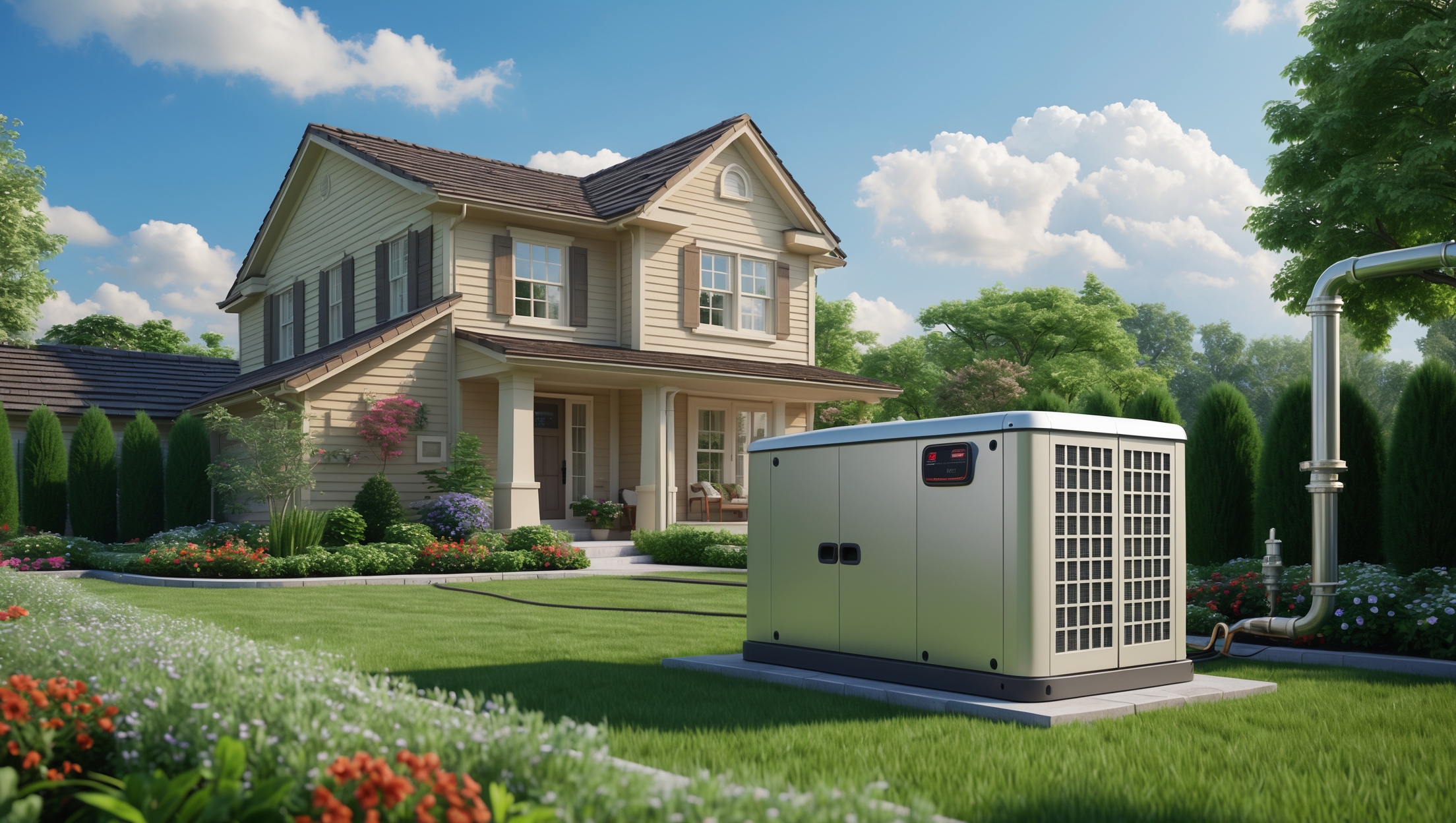
Introduction: Why Compliance and Permits Matter for Home Backup Generators
Power outages are more than just an inconvenience—they can disrupt daily life, damage appliances, and even put your family’s safety at risk. That’s why more homeowners are investing in backup generators. But before you schedule that installation, there’s a crucial step you can’t afford to skip: navigating the maze of compliance and permits. Overlooking these requirements can lead to hefty fines, forced removal of your generator, or insurance claim denials if something goes wrong. In this guide, we’ll walk you through the essential compliance and permit checklist for installing a home backup generator. From zoning laws and utility coordination to inspections and final sign-off, you’ll learn how to avoid common pitfalls and ensure your generator installation is safe, legal, and ready when you need it most.
Understanding Generator Types and Their Compliance Implications
Standby vs. Portable Generators
Before diving into permits, it’s important to distinguish between standby (permanently installed, automatically switching) and portable (manual setup, temporary use) generators. Standby units almost always require permits and inspections due to their permanent connections to your home’s electrical and possibly gas systems. Portable generators generally do not, but if you plan to connect them to your home wiring via a transfer switch, local codes may still apply.
Fuel Types and Their Impact
- Natural Gas/Propane: Requires gas line installation and often additional permits for fuel storage and piping.
- Diesel: May involve environmental regulations and fire codes due to on-site fuel storage.
- Gasoline: Usually portable, but storage limits for fuel may be regulated.
Step 1: Research Local Zoning Laws and HOA Restrictions
Many municipalities regulate where generators can be located due to noise, emissions, and safety concerns. Homeowners associations (HOAs) often have their own rules regarding exterior changes and equipment placement.
- Noise Ordinances: Check decibel limits and allowable operation times.
- Setback Requirements: Generators must be a minimum distance from property lines, windows, and doors (often 5–10 feet).
- HOA Approval: Submit plans or request approval if your community has an HOA.
- Historic Districts: Additional restrictions may apply for homes in protected areas.
Start by contacting your local building department and reviewing your HOA’s covenants.
Step 2: Identify Required Permits
Common Permits Needed
- Electrical Permit: Almost always required for connecting a generator to your home’s wiring.
- Plumbing/Gas Permit: Required if installing a natural gas or propane line.
- Mechanical Permit: Sometimes needed, depending on local codes, for equipment installation.
- Building Permit: May be required for pad construction or if structural modifications are involved.
Where to Apply
Permits are typically obtained from your city or county building department. Some municipalities offer online applications, while others require in-person visits. Be prepared to provide:
- Detailed site plan showing generator location
- Manufacturer’s specifications
- Electrical and gas schematics
- Contractor information (if applicable)
Step 3: Utility Company Coordination
Connecting a standby generator often means working with your electric and gas utility providers. This is essential for:
- Load Management: Ensuring your generator won’t overload the local grid or your home’s system.
- Transfer Switch Approval: Utilities may require inspection or approval of automatic transfer switches.
- Gas Supply: Confirming adequate gas pressure and flow for the generator’s needs.
Contact your utility companies early in the planning process to avoid delays.
Step 4: Hire Licensed Professionals
Most jurisdictions require that electrical and gas work be performed by licensed professionals. This is not only a legal requirement but also critical for safety and insurance coverage. When hiring:
- Verify contractor licenses and insurance
- Request references and check reviews
- Ensure they are familiar with local codes and permit processes
- Ask for a written contract detailing scope, timeline, and costs
DIY installation can void warranties and lead to compliance issues—trust licensed pros for this job.
Step 5: Prepare and Submit Permit Applications
Gather Required Documentation
Before submitting, double-check that you have:
- Site plan with distances to property lines, doors, and windows
- Detailed installation drawings
- Manufacturer’s cut sheets/specification documents
- Load calculations (if requested)
- Contractor details
Application Tips
- Follow instructions carefully—missing information can delay approval.
- Respond promptly to any requests for clarification or additional info.
- Pay all required fees up front; some municipalities charge by generator size or fuel type.
Processing times range from a few days to several weeks, depending on local workload and complexity.
Step 6: Schedule and Pass Inspections
Most installations require at least one inspection—often more. Typical inspections include:
- Rough-In Inspection: Checks conduit, wiring, and gas lines before they’re covered.
- Final Inspection: Ensures the generator is properly installed, connections are secure, and safety features work as intended.
- Utility Inspection: Some utilities require a separate inspection prior to activating the generator.
To prepare:
- Have all installation documentation available
- Ensure all work is complete and accessible
- Address any deficiencies noted promptly
Never operate your generator until all inspections are passed and you have written approval.
Step 7: Maintain Compliance Post-Installation
Routine Maintenance and Record-Keeping
Maintaining compliance doesn’t end when your generator is installed. Keep a record of:
- Permits and inspection reports
- Service and maintenance logs
- Warranty documents
Some municipalities may require periodic inspections or recertification, especially for gas lines or fuel storage tanks.
Noise and Emission Compliance
Operate your generator according to local noise and emission ordinances, especially during routine testing. Non-compliance can result in fines or restrictions.
Common Compliance Mistakes to Avoid
- Skipping Permits: Even minor installations can trigger code violations if permits are ignored.
- Improper Placement: Setting your generator too close to windows or property lines is a common code violation.
- Poor Documentation: Losing track of paperwork can complicate insurance claims or property sales.
- Unlicensed Work: DIY electrical or gas work can void warranties and insurance coverage.
- Failing to Notify Utilities: This can create hazards for utility workers and delay service restoration after outages.
Insurance and Legal Considerations
Notifying Your Insurance Provider
Add your backup generator to your homeowners insurance policy. Provide proof of code-compliant installation and passed inspections. Some insurers may require this to cover related claims.
Resale and Disclosure
When selling your home, disclose your generator installation and provide all compliance documents to buyers. Unpermitted work can derail sales or lower property value.
Conclusion: The Payoff of Compliance—Peace of Mind and Reliable Power
Installing a home backup generator is a significant investment in your comfort and safety. But without proper permits and compliance, that investment can quickly become a liability. By following this detailed checklist—researching zoning laws, securing the right permits, working with licensed professionals, coordinating with utilities, passing inspections, and maintaining thorough documentation—you’ll ensure your generator is ready to perform when you need it most. You’ll also avoid costly fines, legal headaches, and insurance denials that can result from cutting corners.
Remember, every municipality has unique requirements, so always start with your local building department and utility providers. If you live in an HOA or historic district, loop them in from the outset. Keep communication open with your contractors and inspectors, and never skip steps for the sake of speed or savings. The result is peace of mind, knowing your generator will keep your lights on safely, legally, and for years to come.
Proper planning makes every phase of your project smoother. With this compliance and permit checklist, you’ll not only meet legal obligations but also protect your property, your family, and your investment—no matter what Mother Nature throws your way.
We have a portable generator but are considering having an electrician install a transfer switch so we can power parts of our house during outages. Does the permit process change when you add a transfer switch to a portable setup?
Yes, adding a transfer switch to use a portable generator with your home’s wiring usually changes the permit requirements. Most local codes require an electrical permit for installing a transfer switch, even if the generator itself is portable. The licensed electrician will typically handle the permit process, including inspections, to ensure everything meets safety standards.
If I want to install a standby generator that uses propane, do I need separate permits for the gas line and the generator itself, or is it usually handled with one application? I’m worried about missing a step, especially since propane storage seems to have extra requirements.
You’ll usually need separate permits: one for installing the generator and another for the propane gas line and tank. Propane storage often involves additional safety inspections by your local fire or building department. It’s a good idea to check with your municipality, as some areas let you submit one application covering all aspects, while others require them separately.
The article says portable generators usually don’t need permits unless I’m using a transfer switch. If I want to install a transfer switch myself, are there typical steps I need to follow to stay compliant, or should I always hire a licensed electrician for this?
Installing a transfer switch generally involves working directly with your home’s electrical system, which can be dangerous and is often regulated by local codes. Most areas require a permit and a licensed electrician for this type of installation to ensure safety and compliance. You should check your local building department’s requirements, but hiring a licensed professional is usually the safest and most compliant approach.
I live in a neighborhood with an active HOA and I’m wondering what kind of restrictions or additional approvals I might encounter beyond regular city zoning laws when installing a home backup generator.
With an active HOA, you may face extra restrictions beyond city zoning. HOAs often have rules about generator size, placement, noise levels, and how visible the unit is from the street or neighbors’ yards. You’ll likely need HOA approval before installation, and you may be required to submit details like the generator specs and installation plans. It’s a good idea to check your HOA’s bylaws and contact your board early in the process.
I’m on a tight budget and the idea of permits and compliance sounds expensive. Are there ways to estimate the total permitting costs ahead of time, or are there hidden fees that could catch new homeowners off guard when installing a backup generator?
You can get a good estimate of permitting costs by checking your local city or county building department’s website, where they often list standard permit fees. It’s helpful to call and ask about any extra charges, like inspection or application fees, to avoid surprises. Also, if you’re working with a contractor, request a detailed quote that breaks down all permit-related expenses so you know what to expect before starting your generator installation.
If my HOA has restrictions on generator noise, are there specific models or installation techniques that can help me stay compliant without sacrificing performance?
You can choose backup generator models designed for quiet operation, often labeled as “low-noise” or “quiet” units. Look for those with advanced muffler systems and sound-dampening enclosures. During installation, placing the generator on a sound-absorbing mounting pad and positioning it away from shared walls or property lines can further reduce noise. Consulting both your HOA guidelines and a licensed installer will help ensure you meet noise restrictions without losing performance.
If someone wanted to use a portable generator with a transfer switch connected to their home wiring, does that usually mean they’ll need the same permits and inspections as a standby system, or is the process a bit simpler?
Using a portable generator with a transfer switch connected to your home’s wiring generally still requires permits and inspections, much like a standby system. This is because any modification to the home’s electrical system must meet local codes for safety. However, the process can be a bit simpler since portable generators don’t require permanent fuel or pad installation, but you should always check with your local permitting office for specific requirements.
You mentioned that portable generators usually don’t need permits unless you use a transfer switch. If I just plug appliances directly into my portable generator without connecting to the house wiring, do I need to worry about any other compliance steps?
If you only plug your appliances directly into the portable generator using extension cords and don’t connect it to your home’s wiring, you generally don’t need a permit or additional compliance steps. Just make sure to use outdoor-rated extension cords and place the generator outdoors, away from doors and windows, for safety. Local noise or placement rules might still apply, so it’s wise to check with your municipality.
The article notes that portable generators may not require permits unless connected via a transfer switch. What are some common mistakes homeowners make when trying to connect portable generators to their home’s wiring, and how can these be avoided?
A common mistake is connecting a portable generator directly to home wiring without a proper transfer switch—this can cause dangerous backfeeding, risking injury to utility workers and damaging appliances. Another mistake is using undersized extension cords or overloading circuits. To avoid these issues, always use a transfer switch installed by a licensed electrician and ensure cords are rated for the generator’s output. Never plug a generator directly into a wall outlet, and always follow the manufacturer’s safety instructions.
You mentioned potential insurance claim denials if compliance steps are skipped. Can you offer any advice on what documentation I should keep from the permit and inspection process in case I ever need to file a claim after an outage event?
It’s wise to keep thorough records. Hold onto copies of your permit application and approval, inspection reports, final sign-off or certificate of completion, receipts for the generator and installation, and any correspondence with local authorities or licensed contractors. Store both digital and paper copies in a safe place so you can easily provide proof of compliance if you need to file an insurance claim.