
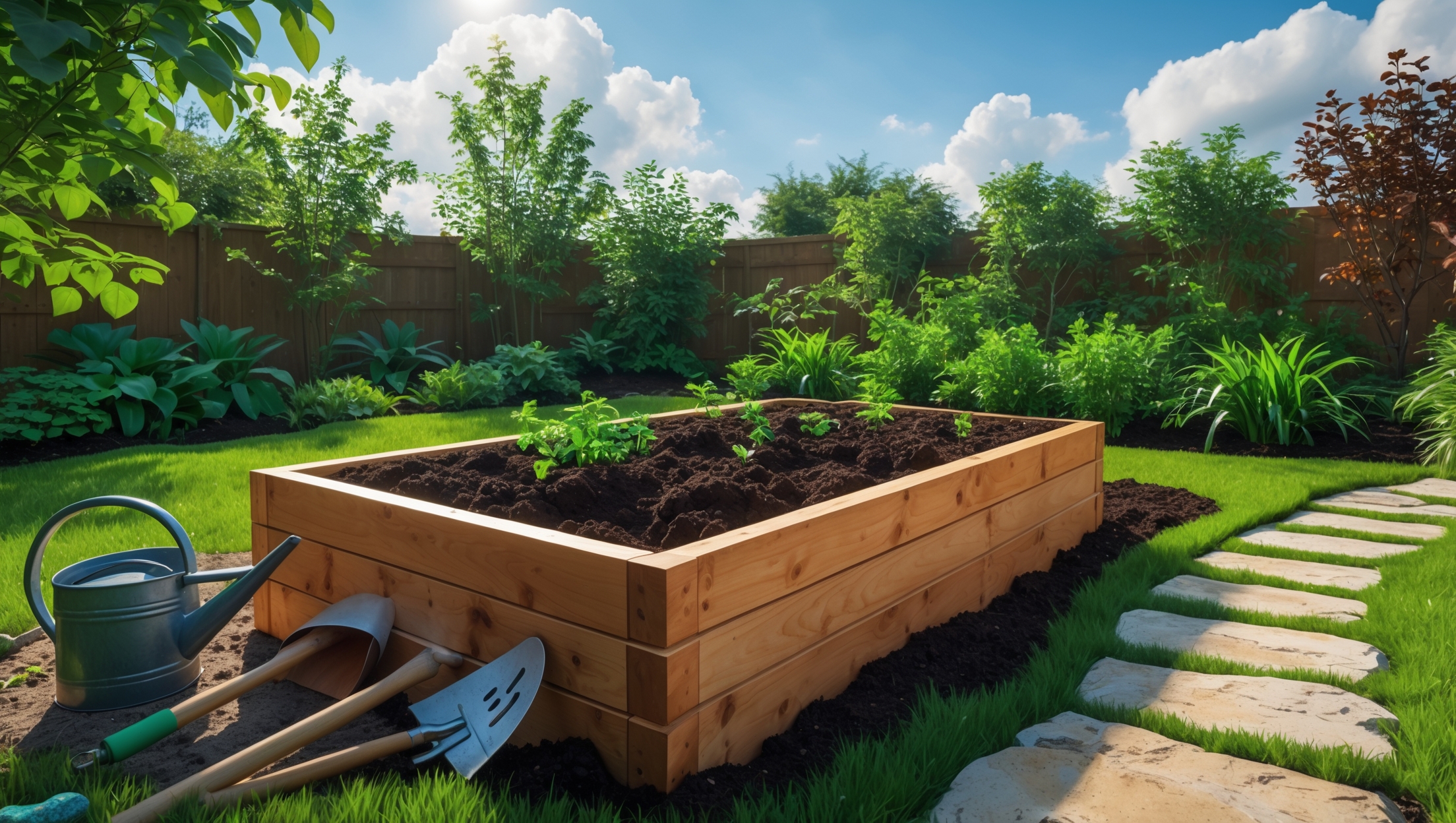
Introduction
Raised garden beds have become a go-to home improvement project for homeowners seeking to grow their own vegetables, herbs, and flowers. Their aesthetic appeal, improved drainage, and ability to control soil quality make them an attractive option for both urban and suburban yards. However, many first-timers dive in without a clear plan, resulting in wasted money, time, and even garden failure. Whether you’re attempting your first raised bed or planning to expand your gardening space, understanding the common mistakes made during the design, construction, and maintenance phases is crucial for long-term success.
In this detailed guide, we’ll walk you through the beginner mistakes you should avoid when building a raised garden bed at home. From choosing the wrong location to underestimating costs, ignoring local codes, and neglecting ongoing maintenance, we’ll cover every aspect that could undermine your gardening goals. These practical insights will not only save you from frustration but also set you up for a thriving, productive garden. Let’s dig into the essentials and ensure your raised bed project gets off to the right start.
1. Poor Site Selection: The Foundation of Success
A. Ignoring Sunlight Requirements
Plants require adequate sunlight, especially most vegetables and herbs which thrive with at least 6-8 hours of direct sun daily. Placing your raised bed in a shaded or partially shaded area will stunt plant growth and reduce yields. Before building, observe your yard throughout the day and map sunlight patterns. Use a sunlight meter app or tool if necessary.
B. Overlooking Drainage and Slope
Waterlogged roots are a recipe for plant disease. Avoid low-lying areas where water collects after rain. Slight slopes are ideal, but ensure beds are built level to prevent uneven water distribution. If your yard is sloped, consider terracing or installing beds across the slope, not down it, to minimize erosion.
C. Proximity to Water Source
Dragging hoses across the yard gets old fast. Place your raised bed within easy reach of a water spigot, rain barrel, or irrigation system. Consider future expansion—leave space for additional beds and access paths.
2. Underestimating Costs and Budgeting Mistakes
A. Material Selection Pitfalls
Pine, cedar, redwood, composite, stone, and recycled materials each have unique price points and lifespans. Many novices opt for cheap untreated pine, which rots within a few years. Pressure-treated lumber lasts longer but may leach chemicals (modern treatments are safer, but always check suitability for edible gardens). Cedar and redwood are rot-resistant but more expensive. Composite boards are durable and maintenance-free but can be costly. Research material options, compare prices, and factor in lifespan and maintenance when budgeting.
B. Hidden Costs
- Soil: Raised beds require significant volumes of high-quality soil—often more costly than anticipated. Calculate volume (length x width x height) and compare bulk vs. bagged prices.
- Compost and Amendments: Nutrient-rich compost, fertilizers, and soil conditioners are often overlooked in the budget but are essential for healthy plants.
- Hardware: Screws, brackets, corner braces, landscape fabric, and irrigation components can add up quickly.
- Tools: If you lack basic tools (saw, drill, level, shovel, wheelbarrow), account for purchase or rental costs.
C. Skimping on Soil Quality
Filling the bed with cheap topsoil or yard dirt often leads to compacted, poorly draining soil. Invest in a quality soil mix (often a blend of topsoil, compost, and other organic materials). Poor soil quality is a leading cause of disappointing harvests.
3. Design and Construction Blunders
A. Wrong Bed Dimensions
- Too Wide: Beds wider than 4 feet make it hard to reach the center without stepping on the soil, compacting it and harming plant roots.
- Too Narrow: While narrower beds are easier to manage, they reduce growing space and can be less efficient.
- Too Tall or Too Shallow: Standard heights range from 10 to 24 inches. Shallow beds limit root growth and dry out faster, while overly tall beds can be expensive to fill and may require additional bracing.
B. Skipping Structural Reinforcement
Failing to use corner braces, galvanized screws, or rebar for long beds can result in bowing or collapsing sides under the weight of soil and water. For beds longer than 6 feet, add internal supports at the midpoint.
C. Neglecting Level Installation
A bed that isn’t level leads to uneven water distribution and makes planting rows awkward. Use a carpenter’s level during installation and adjust as needed before filling with soil.
D. Forgetting Pest Barriers
Many beginners regret skipping hardware cloth or mesh at the bottom of the bed to block burrowing pests like moles and voles. Landscape fabric can help with weed control but does not deter critters. Install mesh before adding soil for long-term peace of mind.
4. Ignoring Compliance, Permits, and Neighborhood Rules
A. HOA and Neighborhood Restrictions
Some communities have rules about garden bed placement, height, and visibility. Always check your Homeowners Association (HOA) or local bylaws before construction to avoid fines or the frustration of having to remove your hard work.
B. Local Building Codes and Utility Lines
While most areas don’t require permits for small raised beds, larger installations may need approval. Before digging, call your local utility marking service to identify buried lines and pipes. Damaging underground utilities is dangerous and costly.
5. Safety Oversights: Protect Yourself and Your Home
A. Handling Treated Lumber
If using pressure-treated wood, always wear gloves and a mask when cutting or sanding to avoid inhaling dust or splinters. Avoid using older treated lumber (pre-2003) near edible crops due to chemical leaching concerns.
B. Tool Safety
- Use eye protection and gloves when sawing or drilling.
- Keep tools and hardware out of reach of children.
- Work in a well-ventilated area, especially when using power tools or adhesives.
C. Lifting and Moving Materials
Soil, lumber, and stone can be heavy. Use proper lifting techniques to avoid back injuries. Don’t hesitate to ask for help with large loads or awkward materials.
6. Overlooking Maintenance and Longevity
A. Neglecting Regular Inspections
Raised beds aren’t set-and-forget. Check for loose boards, rot, and pest damage each season. Tighten hardware and replace damaged wood as needed to ensure the structure’s integrity.
B. Ignoring Soil Health
- Replenish compost or organic matter annually to maintain fertility.
- Test soil pH and nutrient levels every 1-2 years.
- Rotate crops to prevent disease and nutrient depletion.
C. Watering Mistakes
Overhead watering can lead to fungal diseases. Consider installing drip irrigation or soaker hoses for consistent, efficient moisture. Monitor soil moisture, especially during hot weather, as raised beds dry out faster than in-ground gardens.
7. Planting Errors That Undermine Your Raised Bed
A. Overcrowding Plants
It’s easy to get excited and plant too densely, but overcrowding leads to competition for light, water, and nutrients. Follow spacing guidelines on seed packets or plant tags for best results.
B. Choosing Incompatible Plants
Some plants compete for resources or attract pests that harm others. Research companion planting or use raised beds for monoculture blocks (one crop per bed) for simplicity.
C. Starting with Difficult Crops
For beginners, start with reliable, low-maintenance crops such as lettuce, radishes, or bush beans. Avoid finicky plants or those requiring special conditions until you gain confidence.
8. Environmental Considerations and Sustainability
A. Unsustainable Material Choices
Pressure-treated wood and certain plastics may not be environmentally friendly. Opt for FSC-certified lumber, recycled composite, or repurposed stone for a lower ecological impact.
B. Water Conservation
Install rain barrels or drip irrigation to reduce water waste. Mulch beds with straw or wood chips to retain moisture and suppress weeds.
C. Encouraging Pollinators
Incorporate native flowers or herbs along the edges of your bed to attract bees and butterflies, improving pollination and overall garden health.
Conclusion
Building a raised garden bed at home is a rewarding project that delivers fresh produce, outdoor enjoyment, and a sense of accomplishment. However, the path to a thriving garden is littered with avoidable setbacks for those who rush in unprepared. By understanding and sidestepping the common mistakes outlined in this guide, you’ll save yourself time, money, and disappointment.
Remember to thoroughly assess your site, budget for quality materials and soil, and follow best practices in design and construction. Don’t overlook the importance of local rules and safety precautions—these steps protect both your investment and well-being. Ongoing maintenance, from soil amendment to hardware checks, is the key to long-term success. Begin with easy, reliable crops, and gradually diversify as your skills and confidence grow.
Most importantly, treat your raised garden bed as a living system—one that responds to your attention and care. With careful planning and a willingness to learn from mistakes (and this guide), your raised bed will flourish season after season, becoming both a productive food source and a beautiful focal point in your home landscape. Happy gardening!
When you mention using a sunlight meter app to map sunlight patterns, are there any specific apps or tools you recommend for absolute beginners to help identify the sunniest spots in a yard?
For beginners, apps like Sun Surveyor (Lite) and Sun Seeker are user-friendly and popular for tracking sunlight patterns throughout the day. Both use your phone’s camera and GPS to help you visualize where sunlight falls in your yard. Most smartphones also have basic compass and weather apps that can give a general idea of sun direction if you’re looking for something even simpler.
When it comes to choosing the right location, how do you handle situations where the only sunny spot is far from a water source? Are there cost-effective solutions for making watering easier without running new plumbing?
If your sunny spot is far from a water source, you can use soaker hoses or drip irrigation systems connected to a long garden hose, which is both cost-effective and easy to set up. Alternatively, consider using a rain barrel near your garden bed to collect and store water for hand-watering. You can also use watering cans, though it may be more labor-intensive. Mulching can help keep the soil moist and reduce how often you need to water.
You brought up ignoring local codes as a common mistake. Could you elaborate on what types of regulations or permitting issues I might encounter for raised beds in a suburban area and how to look them up?
In suburban areas, regulations for raised garden beds can include height limits, distance from property lines, and restrictions on materials. Some areas require permits if the bed is large or impacts drainage. To check local rules, contact your city or county planning department, visit their website, or review your neighborhood’s HOA guidelines. These sources will provide details on what’s allowed and whether you need permission before building.
I get that sunlight is really important, but what if my yard only gets direct sun for about 4-5 hours a day in most spots? Are there certain types of vegetables or herbs that would still do well in a raised bed with less sun, or should I look into something else?
You can still have a productive raised garden bed with 4-5 hours of direct sun. Leafy greens like lettuce, spinach, kale, and arugula do well with less sunlight. Many herbs, such as parsley, cilantro, and mint, also tolerate partial sun. Fruiting vegetables like tomatoes or peppers need more light, but you can focus on greens and shade-tolerant herbs for best results.
I’m planning to build my first raised garden bed, but my yard has a slight slope. The article mentions building beds across the slope instead of down it to prevent erosion. Could you explain how to level the bed properly on a slope and what materials I might need for stability?
To level a raised bed on a slope, start by marking out your bed’s outline across the slope, not down it. Dig into the higher side of the slope so the base is even and level from end to end. Check with a long spirit level as you go. For stability, use sturdy materials like rot-resistant wood, concrete blocks, or stone. You may also want to add stakes or rebar driven into the ground at the lower side to keep the bed from shifting.
I see you advise against building raised beds in low-lying areas to avoid waterlogging. If my whole yard tends to collect water after heavy rain, is there a way to improve drainage enough, or should I consider an alternative gardening approach?
If your entire yard is prone to water collecting after rain, you can try improving drainage by raising your beds higher than usual and filling them with a well-draining soil mix. Adding gravel or coarse sand at the base can help, too. However, if water pooling is severe or persistent, you might want to look into container gardening or vertical gardening, which offer more control over soil moisture.
I’m looking to build a few raised beds for my small cafe, but I’m not sure how to estimate the ongoing maintenance costs you mention. Could you give some guidance on what to budget for upkeep throughout the year, beyond just the initial build?
For ongoing maintenance of raised garden beds, consider budgeting for soil amendments like compost and fertilizer, replacement plants or seeds, mulch, pest control supplies, and water usage. Depending on your climate and plant choices, annual upkeep could range from $50 to $200 per bed. Regular tasks like weeding, watering, and occasional repairs should also be factored in, especially for a cafe setting where appearance and productivity matter.
The article talked about not putting beds in low-lying spots because of drainage issues. My backyard is mostly flat and tends to get soggy after heavy rain. Do you have any tips for improving drainage before I start building the raised bed?
If your yard is prone to sogginess, you can improve drainage before building your raised bed by loosening the existing soil where the bed will sit and mixing in materials like coarse sand or gravel. Consider building your bed slightly higher than standard—at least 12–18 inches tall—to keep plant roots above the wettest zone. You might also want to add a slight slope or create shallow trenches around the bed to divert excess water away.
When picking a spot close to a water source, how close is actually convenient in practice? Is it just about hose length or are there other factors I should consider so watering doesn’t become a hassle later on?
Convenience is about more than just reaching your garden with a hose. Ideally, your raised bed should be within easy reach of your main water source so you don’t have to drag a heavy hose across the yard or carry watering cans long distances. Also, consider nearby obstacles, the garden’s sun exposure, and whether there’s space to install a drip irrigation system later if you want to automate watering. Being within 25-50 feet of a water tap is usually manageable for most hoses and everyday maintenance.