
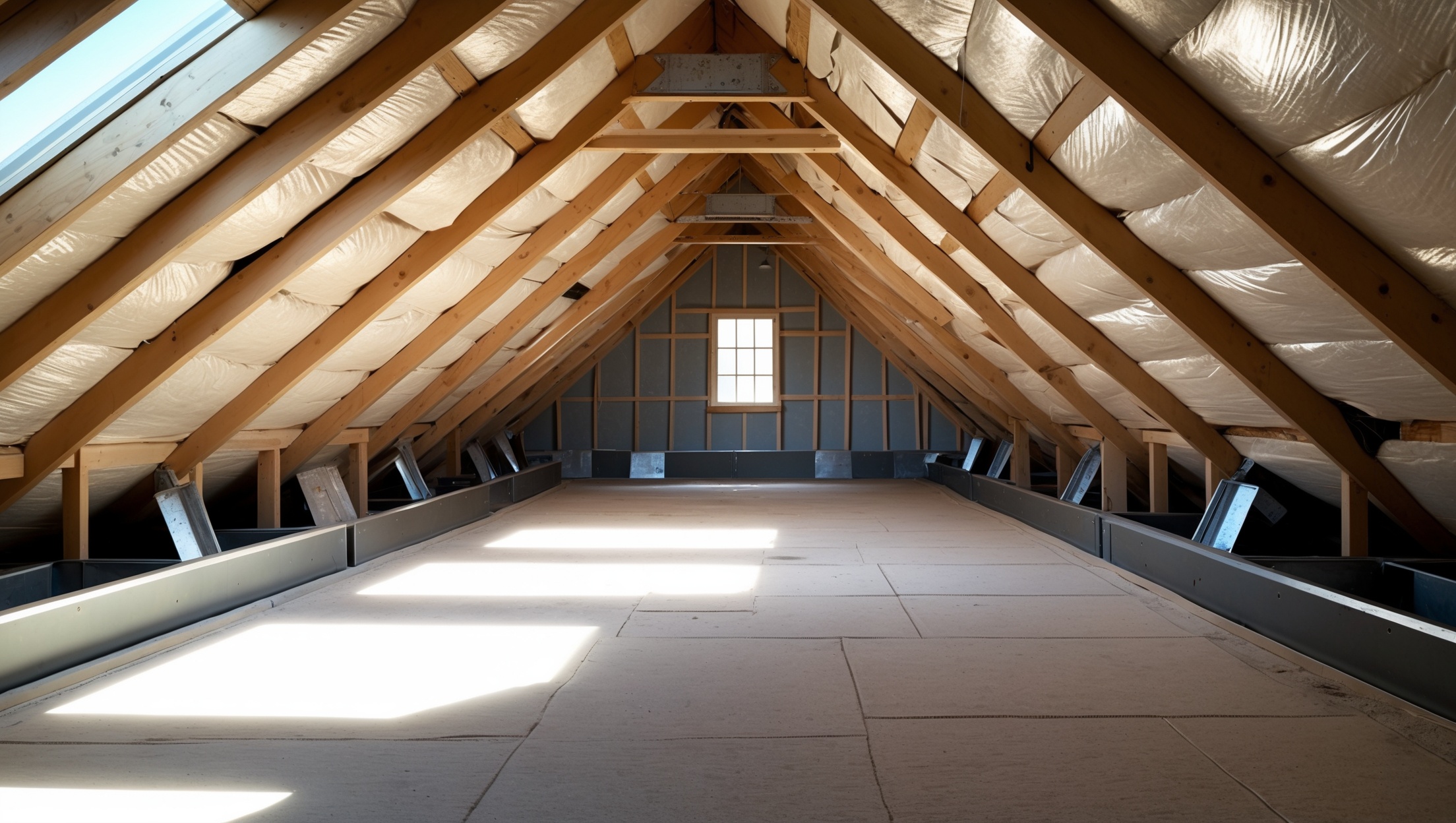
Introduction: The Truth Behind Attic Ventilation
Attic ventilation is a topic often shrouded in confusion, half-truths, and persistent myths. Many homeowners make decisions based on outdated advice or misinformation, leading to problems like moisture buildup, mold, ice dams, and even premature roof failure. Effective attic ventilation isn’t just about adding more vents—it’s about understanding how airflow, insulation, and moisture control work together to protect your home’s longevity and energy efficiency. In this detailed guide, we’ll debunk the most common attic ventilation myths, clarify what proper ventilation looks like, and provide actionable steps you can take to ensure your attic is safeguarding—not sabotaging—your home investment. Whether you’re planning new construction, tackling a renovation, or simply want to avoid expensive repairs, this post will equip you with expert knowledge to make informed decisions about your attic’s health.
Why Attic Ventilation Matters
Before we dive into myth-busting, it’s crucial to understand why attic ventilation is a cornerstone of home durability and comfort. Proper ventilation in the attic serves three primary purposes:
- Moisture Control: Exhausts humid air that rises from living spaces, reducing the risk of mold and rot.
- Temperature Regulation: Prevents extreme heat buildup in summer and ice dam formation in winter.
- Energy Efficiency: Minimizes strain on your HVAC system, lowering energy bills.
Without balanced intake and exhaust airflow, your attic can become a breeding ground for costly problems, regardless of climate.
Myth #1: More Vents Always Mean Better Ventilation
This is one of the most persistent myths. Adding more attic vents does not automatically guarantee improved performance. In fact, too many or poorly placed vents can disrupt the airflow dynamics, leading to areas of stagnant air or even drawing in moisture and rain.
The Science of Balanced Ventilation
Proper attic ventilation requires a balanced system—usually a combination of intake vents (at the soffits or eaves) and exhaust vents (at or near the ridge or roof peak). The goal is to allow cooler, drier air to enter at the lowest part of the attic and push out warm, moist air at the highest point.
- Intake vents should always be paired with an equal or slightly greater amount of exhaust venting.
- Too many exhaust vents with insufficient intake can cause backdrafts or draw conditioned air from the living space, increasing energy costs.
Always follow the manufacturer’s guidelines and local building codes when calculating the Net Free Vent Area (NFVA) your attic requires.
Myth #2: Attic Ventilation Isn’t Necessary in Cold Climates
Some homeowners believe that attic ventilation is only relevant in hot, humid regions. The reality is that ventilation is equally important in cold climates—and arguably more so.
Winter Risks Without Ventilation
- Ice Dams: Poor attic ventilation allows heat to build up, melting roof snow that then refreezes at the eaves, leading to damaging ice dams.
- Moisture Accumulation: Everyday activities (cooking, bathing, laundry) release moisture, which rises into the attic. Without ventilation, this moisture condenses on cold surfaces, causing wood rot and mold.
A well-ventilated attic stays cold in winter, minimizing ice dam risk and providing a dry environment that preserves your roof’s structure.
Myth #3: Roof Vents Alone Solve All Moisture Problems
It’s tempting to believe that simply adding a few roof vents is the solution to any attic moisture issue. However, ventilation is just one component of a healthy attic.
Comprehensive Moisture Management
- Air Sealing: Unsealed gaps in ceilings, plumbing penetrations, and light fixtures allow warm, moist indoor air into the attic. Address these leaks first.
- Proper Insulation: Insulation slows heat transfer, reducing the temperature differential that can lead to condensation.
- Vapor Barriers: In some climates, vapor barriers help block moisture from entering the attic from below.
Think of ventilation as the final step—if you haven’t air-sealed and insulated properly, vents alone won’t prevent moisture issues.
Myth #4: Attic Ventilation Is Only for Summer
Many believe attic ventilation is strictly a summer concern, to vent hot air and cool the house. In reality, it’s a year-round necessity.
Seasonal Benefits of Ventilation
- Summer: Reduces attic temperatures, lessening the burden on air conditioning and extending roof shingle lifespan.
- Winter: Prevents moisture buildup, ice dams, and helps maintain a cold roof surface.
Homeowners should ensure their attic ventilation is effective for all seasons, not just the hottest months.
Myth #5: Wind Turbines and Power Fans Are Always Better
Active ventilation devices like wind turbines or powered attic fans are often marketed as superior to passive vents. In practice, these devices are rarely necessary in a well-designed attic ventilation system and can sometimes do more harm than good.
The Downside of Active Ventilation
- Negative Pressure: Powered fans can create negative pressure, pulling conditioned air from living spaces and increasing energy costs.
- Moisture Infiltration: If intake vents are inadequate, fans may draw in rain, snow, or humid outdoor air.
- Maintenance: Moving parts require regular maintenance and can fail over time.
Only use active ventilation when passive options can’t meet your attic’s needs, and always ensure proper intake-to-exhaust balance.
Myth #6: If My Roof Doesn’t Leak, My Attic Is Fine
A dry ceiling doesn’t necessarily mean your attic is healthy. Hidden moisture and poor airflow can silently damage your home over years.
Signs of Trouble Beyond Leaks
- Rusty Nails: Indicates condensation in the attic.
- Mold or Mildew Odors: Suggests trapped moisture.
- Sagging or Compressed Insulation: Often the result of chronic dampness.
Regular attic inspections are essential, even if you don’t see obvious water stains or leaks inside your living space.
Myth #7: All Vent Types Are Interchangeable
Not all attic vents are created equal. Mixing different exhaust vent types (such as ridge vents and box vents) can disrupt airflow and reduce efficiency.
Best Practices for Vent Selection
- Stick to one type of exhaust vent per roof area.
- Ensure that intake and exhaust vents are properly sized and positioned to facilitate even airflow.
- Consult manufacturer recommendations and local codes for specific guidelines.
A coherent system, rather than a patchwork of vent types, delivers the best results.
Myth #8: Attic Insulation and Ventilation Work Against Each Other
Some homeowners worry that adding insulation will block airflow or that ventilation will reduce insulation’s effectiveness. In reality, these two systems work together when installed correctly.
How to Combine Insulation and Ventilation
- Baffle Installation: Use baffles (vent chutes) in the eaves to keep insulation from blocking soffit vents.
- Proper Coverage: Ensure insulation covers the attic floor evenly but does not impede air movement from intake vents.
- Separation: Maintain clear air pathways from soffit to ridge for continuous ventilation.
Done right, insulation and ventilation create a dry, energy-efficient attic space.
How to Evaluate and Improve Your Attic Ventilation
Step 1: Inspect Existing Ventilation
- Check for soffit, gable, and ridge vents.
- Ensure intake vents aren’t blocked by insulation or debris.
- Look for signs of moisture, mold, or heat buildup.
Step 2: Calculate Your Ventilation Needs
- Most codes recommend 1 square foot of ventilation for every 150 square feet of attic floor, split evenly between intake and exhaust.
- Use manufacturer-provided Net Free Vent Area (NFVA) ratings, not just vent dimensions.
Step 3: Address Air Leaks and Insulation
- Seal attic bypasses—look for gaps around plumbing, wiring, and light fixtures.
- Install or upgrade insulation as needed, ensuring it does not block airflow from soffits.
Step 4: Upgrade or Add Vents If Needed
- Add intake or exhaust vents to achieve a balanced system.
- Stick to one type of exhaust vent for each section of the roof.
- Use baffles to keep insulation from impeding airflow.
Step 5: Routine Maintenance
- Check attic vents seasonally for blockages from debris, leaves, or nests.
- Monitor for signs of condensation or mold, especially after heavy rains or snowmelt.
- Reassess after any major roof or insulation upgrade.
Expert Tips for Homeowners
- Professional Evaluation: If you’re unsure about your attic’s ventilation, consult a qualified roofing or insulation contractor. They can assess your specific needs and recommend improvements.
- Stay Up-to-Date: Building codes and best practices change. If your home is older, your attic’s needs may differ from current standards.
- Document Everything: Keep records of any attic work, including photos of vent locations and insulation upgrades. This is useful for warranty claims or future home sales.
Conclusion: Protect Your Home by Knowing Fact from Fiction
Attic ventilation is a critical—yet often misunderstood—aspect of home health. Falling for common myths can lead to expensive, avoidable problems such as mold growth, energy loss, and roof damage. By understanding how proper ventilation works and the role it plays in conjunction with insulation and air sealing, you set your home up for long-term protection and efficiency.
Some key takeaways:
- More vents are not always better; balance and placement are what matter.
- Attic ventilation is vital year-round, not just in summer or specific climates.
- Air sealing and insulation are as important as venting in managing attic moisture and temperature.
- Active ventilation devices like fans and turbines are not always necessary—passive systems often suffice.
- Don’t judge attic health by the absence of leaks alone—inspect for hidden moisture and airflow problems.
Make attic ventilation a regular part of your home maintenance routine. If you’re unsure about your system’s performance, don’t hesitate to bring in a professional to evaluate and recommend improvements. A properly ventilated attic will reward you with lower energy costs, a longer-lasting roof, and peace of mind that your home is protected from the top down. Stay informed, stay proactive, and your attic will serve as a silent guardian for years to come.
I want to make sure my HVAC system isn’t working overtime because of bad attic ventilation. Are there cost-effective steps I can take to check or upgrade my current setup before peak summer hits?
You can start by checking if your attic vents are clear of debris and not blocked by insulation. Also, make sure you have both intake (soffit) and exhaust (ridge or gable) vents for proper airflow. Installing a thermostat-controlled attic fan is another budget-friendly upgrade. If you’re unsure, consider a professional evaluation—they can identify issues and often suggest affordable improvements.
I just realized I might be falling for some of those common myths, like thinking more vents in the attic are always better. How can I figure out if my current vent placement or amount is actually making things worse instead of helping?
It’s a smart move to double-check your attic ventilation. Too many vents or poor placement can disrupt airflow and even cause moisture problems. To assess your setup, look for signs like uneven temperatures, condensation, or mold in your attic. You can also compare your vent setup to building code recommendations or consult a local professional for an evaluation. Balancing intake (soffit) and exhaust (ridge or roof) vents is key for effective ventilation.