
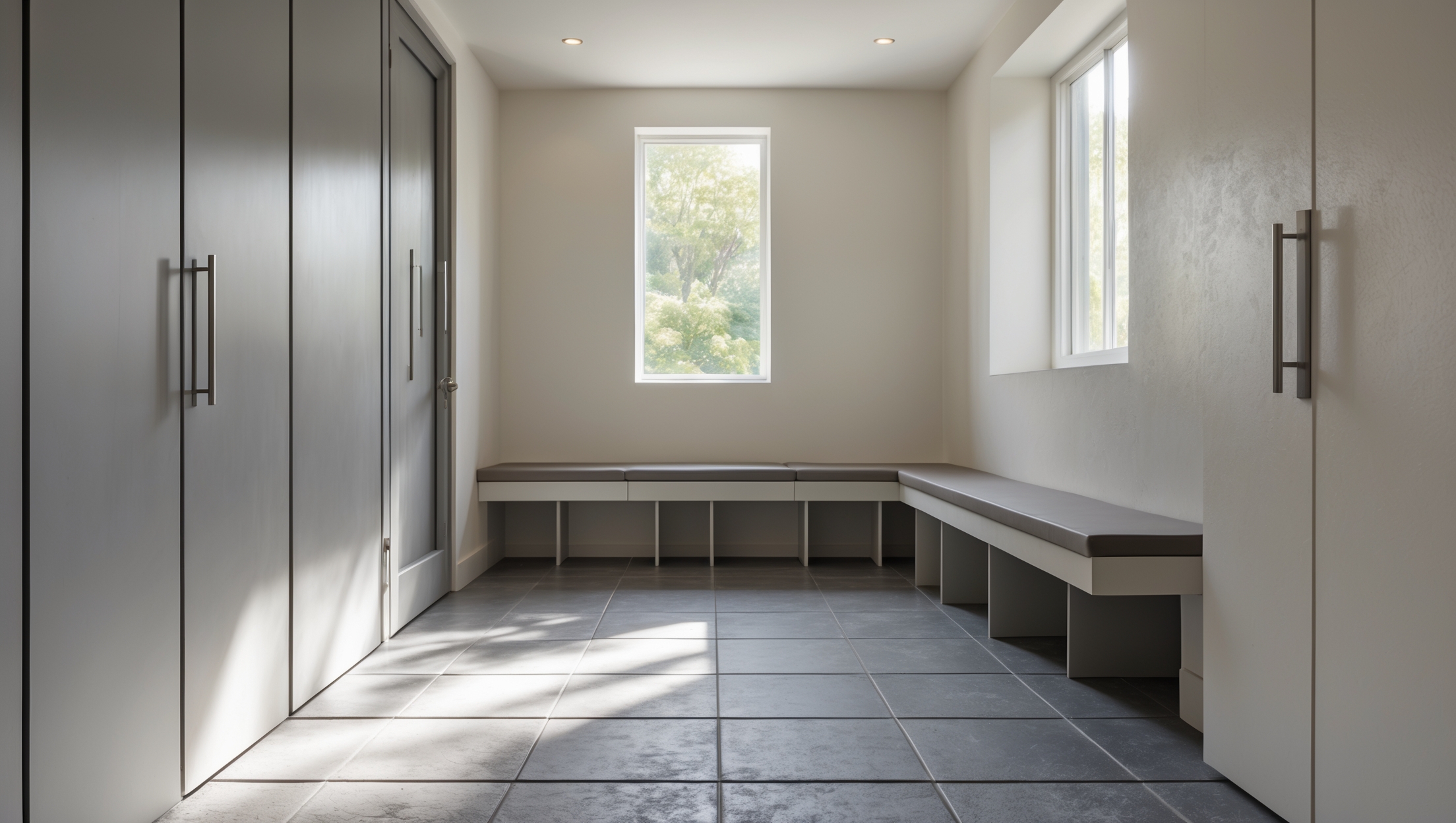
Introduction: Why Material Durability Matters in High-Traffic Areas
Every home has spaces that get more than their fair share of foot traffic—think entryways, kitchens, hallways, stairs, and mudrooms. These are the first to show signs of wear, and poorly chosen materials can lead to premature aging, costly repairs, or even safety issues. Whether your household is bustling with kids and pets or you simply want to future-proof your investment, selecting the right durable materials for these areas is essential. This guide dives deep into practical material choices for floors, walls, and finishes that will withstand years of daily use without sacrificing style. We’ll cover what to look for, specific product recommendations, and maintenance tips to make your high-traffic zones both beautiful and bulletproof. Let’s make sure your next home improvement project stands the test of time.
Understanding High-Traffic Zones: Where Durability Is Non-Negotiable
Identifying the Busiest Spaces
- Entryways and Mudrooms: First contact with outdoor elements—mud, water, sand, and grit.
- Hallways and Stairs: Constant movement, often in shoes, with the added challenge of corners and edges.
- Kitchens and Dining Areas: Spills, dropped utensils, chairs scraping, and heavy appliances.
- Family Rooms: Frequent gathering spot, especially for families with children or pets.
- Laundry Rooms: Exposure to water, detergents, and vibration from machines.
Common Problems in High-Traffic Areas
- Scuffed or scratched floors
- Chipped tile or grout
- Peeling paint or stained walls
- Damaged trim and corners
- Premature wear on finishes
Choosing Durable Flooring: Options That Go the Distance
Porcelain and Ceramic Tile
Porcelain tile is a top performer for entryways, mudrooms, kitchens, and even busy bathrooms. It’s denser and less porous than ceramic, making it more resistant to chips, stains, and water. Look for tiles rated for commercial or heavy residential use (PEI rating IV or V). Choose slip-resistant finishes for added safety, especially in wet zones.
- Pros: Extremely durable, water-resistant, easy to clean, wide range of styles.
- Cons: Can be cold and hard underfoot; may require underfloor heating for comfort.
Luxury Vinyl Plank (LVP) and Tile (LVT)
LVP and LVT have surged in popularity thanks to their realistic wood or stone looks, comfort underfoot, and impressive durability. High-quality products offer wear layers that resist scratches and dents, making them ideal for kitchens, hallways, and living spaces.
- Pros: Waterproof options available, softer than tile, easy DIY installation, budget-friendly.
- Cons: Lower-end versions may dent or fade; check for warranties and wear layer thickness.
Engineered Hardwood
If you love the look of wood, engineered hardwood is more stable than solid hardwood for high-traffic areas. Opt for species like oak, maple, or hickory, and choose finishes with aluminum oxide or ceramic bead for extra scratch resistance. Consider matte or wire-brushed finishes to disguise wear over time.
- Pros: Authentic wood appearance, better moisture resistance than solid wood.
- Cons: Can still scratch or dent; not suitable for very wet areas.
Natural Stone
Slate, granite, and certain limestones are well-suited to heavy use. Seal stone regularly to prevent staining and choose honed (matte) finishes to reduce the appearance of scratches. Be mindful of slip-resistance, especially in entryways.
- Pros: Extremely long-lasting, unique natural patterns.
- Cons: Higher cost, requires sealing and maintenance.
Concrete
Stained or polished concrete floors are gaining traction for their industrial chic look and unbeatable durability. Appropriate for mudrooms, basements, and even modern kitchens. Add area rugs for warmth where desired.
- Pros: Virtually indestructible, easy to clean, design versatility.
- Cons: Can be hard and cold; professional installation recommended for best results.
Wall Surfaces: Protecting Against Scuffs, Moisture, and More
High-Performance Paints
Walls in high-traffic areas need to repel stains and handle frequent cleaning. Look for paints labeled as “scrubbable” or “washable”—typically in satin, eggshell, or semi-gloss sheens. Brands like Benjamin Moore Scuff-X or Sherwin-Williams Duration Home are engineered for busy spaces. Darker colors and matte finishes tend to show scuffs more easily, so lighter, mid-tone shades in a low-sheen formula are a smart choice.
- Tip: Use a high-quality primer to ensure proper adhesion and stain-blocking.
Wainscoting and Wall Paneling
Adding beadboard, shiplap, or wainscoting to the bottom third of your walls is both stylish and functional. These treatments protect against bumps from backpacks, shoes, and furniture. Painted or stained MDF and PVC panels are affordable and easy to clean. For maximum durability, choose water-resistant materials for mudrooms and laundry rooms.
Tile Backsplashes and Wall Guards
In kitchens, laundry rooms, and entryways, consider extending tile partway up the wall to catch splashes and grime. Subway tile, mosaic, or glass tile are all easy to wipe clean. For commercial-level protection, stainless steel wall panels or acrylic sheets can be installed behind sinks and utility areas.
Countertops and Surfaces: Picking Materials That Withstand Abuse
Quartz
Engineered quartz countertops are non-porous, highly scratch- and stain-resistant, and require no sealing. They’re an ideal choice for busy kitchens and laundry areas. Avoid exposing quartz to direct, prolonged heat (like hot pans), but otherwise, it’s one of the toughest options available.
Solid Surface (e.g., Corian)
Solid surface materials offer seamless appearance and are easily renewable—minor scratches can be buffed out. While not as hard as quartz or granite, they’re non-porous and resist most stains.
Laminates
Modern high-pressure laminates are much more resilient than their predecessors and come in a variety of styles. Ideal for laundry rooms or mudrooms where cost is a concern but a durable, easy-to-clean surface is still needed.
Other Durable Surfaces
- Stainless Steel: Top choice for utility spaces and contemporary kitchens; resists heat and stains, though it can scratch.
- Butcher Block: With proper sealing and maintenance, it can be a durable, warm choice for family spaces.
Doors, Trim, and Hardware: The Details That Take a Beating
Solid-Core Doors
Upgrade hollow-core interior doors in high-traffic areas to solid-core or solid wood for better resistance to dents and noise. Fiberglass doors are recommended for exterior entries due to their durability and weather resistance.
Trim and Baseboards
Choose wider baseboards made from MDF or PVC for high-impact areas—they’re less likely to show dings and are easier to repaint or replace if needed. Rounded or chamfered edges are less prone to chipping than square ones.
Heavy-Duty Hardware
Opt for metal hardware (such as door handles, cabinet pulls, and hinges) in finishes that resist tarnishing and fingerprints, like brushed nickel or matte black. Avoid painted finishes, which can chip over time.
Best Practices: Installation and Maintenance for Longevity
Proper Installation
- Hire certified installers for tile, stone, or specialty flooring—improper installation leads to early failure.
- Use high-quality adhesives, grouts, and sealants designed for heavy use.
- Leave expansion gaps where required to prevent buckling, especially with wood and vinyl products.
Routine Maintenance
- Clean up spills promptly to prevent staining or warping.
- Use mats or rugs at entrances to trap grit and moisture.
- Apply felt pads to furniture feet to avoid scratching floors.
- Re-seal stone and grout as recommended by the manufacturer.
- Touch up paint and finishes regularly to keep surfaces looking fresh.
DIY Touch-Ups
Keep spare tiles, planks, paint, and hardware on hand for quick repairs. Most minor scratches on wood or laminate can be disguised with color-matched markers or wax sticks. For deeper damage, consider professional refinishing to extend the life of floors and surfaces.
Case Studies: Real-World Material Choices That Paid Off
Case Study 1: Mudroom Makeover
A family of five with a large dog replaced their entryway carpet with commercial-grade porcelain tile and added PVC beadboard wainscoting. Five years later, the floor remains pristine and the walls wipe clean after every muddy adventure.
Case Study 2: Kitchen Upgrade
A busy household installed LVP flooring and quartz countertops. Despite daily spills, dropped utensils, and constant foot traffic, the kitchen looks new after three years with minimal maintenance beyond weekly cleaning.
Case Study 3: Rental Property Hallways
A landlord chose painted MDF wall paneling and commercial-grade laminate flooring for common areas. The upgrades dramatically reduced repair costs and improved tenant satisfaction, with surfaces holding up well after multiple turnovers.
Frequently Asked Questions About Durable Materials
What’s the best budget-friendly durable flooring?
LVP (Luxury Vinyl Plank) offers the best balance of cost, durability, and aesthetics for most high-traffic areas. Opt for brands with a thick wear layer and good warranties.
Is real wood ever a good idea in high-traffic zones?
Engineered hardwood with tough finishes can work, but expect to see some wear over time. If you want a wood look with less maintenance, consider wood-look tile or quality LVP.
How can I protect painted walls from scuffs?
Use washable, scrubbable paint in a satin or semi-gloss finish. Add wainscoting or durable wall paneling for extra protection at lower wall levels.
Conclusion: Invest in Materials That Work as Hard as Your Home
Choosing the right materials for high-traffic areas isn’t just about aesthetics—it’s about making smart, lasting investments that save you time, money, and hassle down the line. While durable options may come with a higher upfront price tag, they pay off in longevity, reduced maintenance, and a home that looks great year after year. Remember to match the material to the specific challenges of each space: waterproof tile for mudrooms, resilient LVP for family rooms, and tough paints or wall panels where walls take a beating. Prioritize professional installation and routine care to maximize lifespan. Most importantly, never settle for products that can’t handle your household’s demands. With thoughtful planning and the right choices, you can create a home that’s as tough as it is beautiful—ready for everything life throws its way.
When planning your next home improvement project, consider not just how each surface looks today, but how it will perform in the years to come. By following the recommendations and real-world examples in this guide, you’ll ensure that your high-traffic spaces remain functional, welcoming, and worry-free for the long haul. Invest in durability—your future self (and your floors) will thank you!