
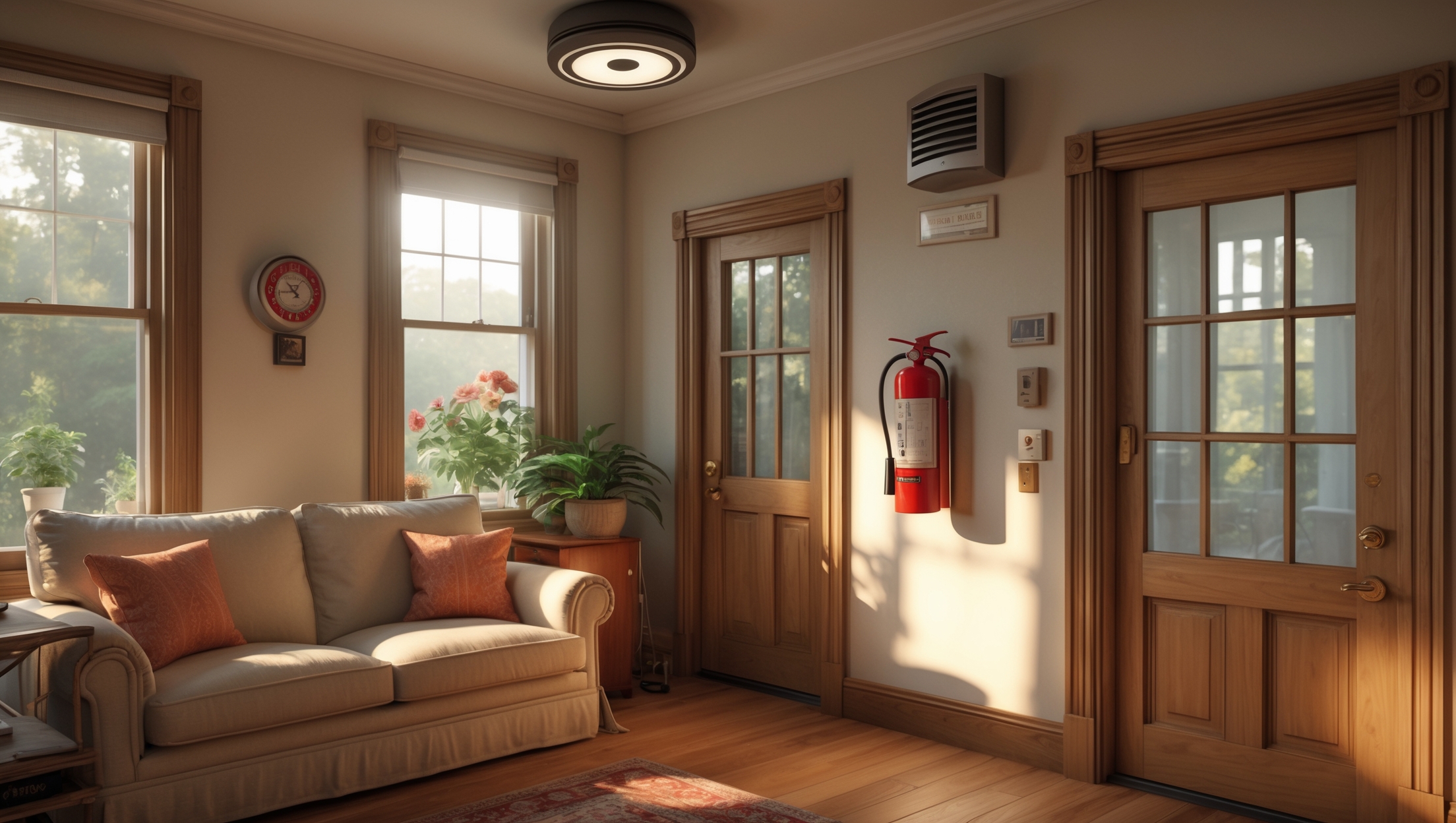
Introduction: Why Fire Safety Modernization Matters in Older Homes
Older homes exude character and charm, but they often hide significant fire safety vulnerabilities. From outdated electrical systems to the absence of modern alarms, these properties can be at higher risk for devastating fires compared to newer builds. According to the National Fire Protection Association (NFPA), homes built before 1980 are more likely to have outdated wiring, lack interconnected smoke alarms, and use flammable building materials. While many homeowners focus on aesthetic upgrades, fire safety modernization is an essential, often overlooked investment that can save lives and protect your property.
This step-by-step guide is designed for homeowners, buyers, and renovators of older houses who want to systematically reduce fire risk. We’ll break down the key upgrades, from installing hardwired interconnected alarms to retrofitting fire doors and updating electrical panels. You’ll learn what tools and materials you’ll need, how to budget for these improvements, and how to stay compliant with codes and insurance requirements. Whether you’re planning a full renovation or targeted improvements, this guide empowers you to prioritize safety without compromising your home’s historic appeal.
Assessing Fire Risk: Identifying Vulnerabilities in Older Homes
Key Risk Areas
- Electrical Wiring: Outdated knob-and-tube or aluminum wiring can overheat and spark fires.
- Absence or Poor Placement of Smoke/CO Detectors: Many older homes lack adequate, interconnected detection systems.
- Flammable Building Materials: Wood paneling, old insulation, and untreated timbers increase fire spread.
- Lack of Fire Barriers: Missing fire-rated doors or sealing between floors and attics.
- Chimneys and Fireplaces: Unlined or cracked chimneys let embers escape into walls or attics.
- Obsolete Heating Appliances: Oil furnaces, space heaters, and old stoves may not meet current safety standards.
Initial Home Fire Safety Audit
Begin with a thorough walk-through. Look for exposed or deteriorated wiring, check the location and age of smoke/CO detectors, and inspect attics, basements, and crawlspaces for gaps or unsealed penetrations. Document any outdated appliances, and note whether fire extinguishers and escape ladders are present and accessible.
Step 1: Upgrading Smoke and Carbon Monoxide Detection
Modern Standards
Current codes require interconnected smoke alarms in every sleeping room, outside each sleeping area, and on every level. For carbon monoxide, at least one detector per floor and near sleeping areas is recommended. Interconnected systems ensure that when one alarm sounds, all do.
Choosing Alarms: Hardwired vs. Wireless
- Hardwired Alarms: Best for major renovations or when upgrading electrical systems. Require professional installation but offer reliability and code compliance.
- Wireless Interconnected Alarms: Ideal for minimal-invasion upgrades. Battery-powered models use radio signals to sync and are suitable for retrofitting without opening walls.
Installation Tips
- Place alarms on ceilings, at least 4 inches from walls, and away from air ducts or windows.
- Test alarms monthly and replace batteries every 6–12 months (or use 10-year sealed batteries).
- Replace all detectors after 10 years, even if still functioning.
Step 2: Electrical System Modernization
Common Electrical Hazards in Older Homes
- Knob-and-tube or aluminum wiring prone to overheating.
- Undersized electrical panels (60-amp or 100-amp) unable to handle modern loads.
- Lack of Ground Fault Circuit Interrupters (GFCIs) in kitchens, bathrooms, and outdoor circuits.
Upgrade Checklist
- Hire a licensed electrician to inspect wiring and recommend upgrades.
- Replace knob-and-tube/aluminum with modern copper wiring.
- Upgrade panel to at least 200-amp service for modern appliances and future-proofing.
- Install GFCIs and Arc Fault Circuit Interrupters (AFCIs) where required by code.
- Label circuits clearly for emergency shutoff.
Budgeting and Permits
Plan for $3,000–$15,000+ for full rewiring, depending on home size and access. Electrical work almost always requires local permits and inspections. Check with your municipality before starting any major upgrade.
Step 3: Fire-Retardant Barriers and Materials
Retrofitting Fire Doors and Seals
- Install fire-rated doors (typically 20- to 60-minute ratings) between living spaces and attached garages, basements, or attics.
- Add intumescent seals around doors to block smoke and flame spread.
Upgrading Wall and Ceiling Materials
- Consider replacing or overlaying wood paneling with Type X fire-resistant drywall.
- Seal penetrations between floors, attics, and crawlspaces with fire-rated caulk or expanding foam.
- Insulate attic hatches and wall openings with fire-rated boards or covers.
Chimney and Fireplace Improvements
- Have a certified chimney sweep inspect and reline old chimneys with fire-rated liners.
- Install spark arrestors and glass fireplace doors to contain embers.
- Maintain a 36-inch clearance around fireplaces and wood stoves.
Step 4: Installing and Maintaining Fire Extinguishers
Types and Placement
- ABC-rated extinguishers handle most home fire types (trash, wood, liquid, electrical).
- Place extinguishers in the kitchen, garage, basement, and at least one on each floor.
- Mount at adult waist height in visible, accessible locations—never behind doors or inside cabinets.
Training and Maintenance
- Read and review instructions with all household members.
- Check pressure gauges monthly; recharge or replace if low or expired (typically every 6–12 years).
- Note the expiration date and schedule regular replacements.
Step 5: Creating Clear Escape Routes and Emergency Plans
Escape Planning
- Map at least two exits from every bedroom—windows count as exits if they open fully and are low enough to use safely.
- Install escape ladders for second- or third-story bedrooms.
- Ensure all windows and doors open easily and are not painted or nailed shut.
- Mark a safe meeting spot outside, such as the end of the driveway.
Practice and Communication
- Hold fire drills twice a year, including nighttime simulations.
- Teach children how to check doors for heat and how to crawl low under smoke.
- Label emergency numbers and post them in a visible spot.
Step 6: Heating Appliance and Chimney Safety
Modernizing Heating Sources
- Replace unvented space heaters and old oil furnaces with modern, sealed-combustion units.
- Install carbon monoxide detectors near all bedrooms and fuel-burning appliances.
- Service furnaces and boilers annually to look for cracks, leaks, and blocked vents.
Chimney and Fireplace Maintenance
- Have chimneys swept and inspected annually for creosote buildup and cracks.
- Install and maintain chimney caps to prevent animal nests or debris blockages.
Step 7: Insurance and Compliance Essentials
Documenting Upgrades for Insurance
- Keep all receipts, permits, and inspection reports for upgrades.
- Notify your insurer after completing fire safety improvements—many offer premium discounts for hardwired alarms, sprinkler systems, or updated wiring.
Local Code Compliance
- Check your municipality’s requirements for smoke alarms, electrical upgrades, and fire barriers—these vary by location and may affect resale or insurance claims.
- Schedule final inspections after major work (especially electrical or structural changes).
Essential Tools and Materials Checklist
- Battery-powered drill and screwdriver set
- Voltage tester and circuit tracer
- Stud finder and drywall saw (for alarm installation)
- Fire-rated caulk and foam
- Intumescent door seals and fire-rated door hardware
- Fire extinguishers (ABC-rated)
- Escape ladders for upper floors
- Smoke and carbon monoxide detectors (interconnected, hardwired or wireless)
Budgeting for Fire Safety Modernization
Average Cost Breakdown
- Smoke/CO alarms (interconnected): $100–$400 per floor
- Electrical panel upgrade: $2,000–$5,000
- Full-home rewiring: $5,000–$15,000+
- Fire doors and seals: $500–$2,000 per door
- Chimney liner retrofit: $2,000–$4,000
- Extinguishers and escape ladders: $50–$200 each
Smaller upgrades like detectors and extinguishers are affordable DIY projects, while electrical and structural work often require professional contractors. Always factor in permit and inspection fees.
Maintenance Best Practices
- Test smoke and CO alarms monthly—replace batteries as needed.
- Check extinguisher pressure and expiration dates quarterly.
- Schedule annual chimney and heating appliance inspections.
- Review and practice emergency escape plans each year.
- Keep escape routes and exits unobstructed at all times.
Common Myths about Fire Safety Upgrades in Older Homes
- “It’s too expensive to upgrade.” While rewiring and major upgrades are investments, many improvements—like adding alarms, seals, and extinguishers—are affordable and can be tackled in stages.
- “Upgrades will ruin my home’s historic character.” Fire-rated doors and alarms now come in styles that match period interiors, and most upgrades can be integrated discreetly.
- “Insurance will cover any loss.” Insurers may deny claims if your home lacks code-compliant safety features or if upgrades aren’t properly documented.
Conclusion: Making Fire Safety a Priority in Your Older Home
Modernizing fire safety in an older home isn’t just about meeting legal requirements—it’s about ensuring peace of mind for you and your loved ones. While historic houses offer unique charm, they also present unique risks that demand proactive, thoughtful solutions. By systematically assessing vulnerabilities, upgrading detection systems, modernizing electrical infrastructure, and incorporating fire-retardant materials, you can dramatically reduce the likelihood and severity of a fire.
Many improvements, such as installing alarms or fire extinguishers, are accessible DIY projects that yield immediate benefits. Larger upgrades—like rewiring or fitting fire doors—require more planning, budgeting, and professional expertise, but they’re invaluable for long-term safety and property value. Don’t forget ongoing maintenance: regular testing, inspections, and fire drills are your best defense against the unexpected.
Most importantly, choose upgrades that respect your home’s heritage while prioritizing safety. Modern fire safety technologies often blend seamlessly with vintage styles, allowing you to preserve the look you love while protecting what matters most. Start your fire safety modernization journey today—because every step you take brings your cherished older home closer to being both beautiful and truly safe.
I live in an older house with knob-and-tube wiring, but my electrician says it’s expensive to fully replace. Are there any partial upgrades or safer workarounds mentioned in your guide that could help reduce fire risk without a full rewiring right away?
Yes, the guide suggests several safer workarounds if you can’t fully rewire right away. You can add modern circuit breakers or arc-fault circuit interrupters (AFCIs) to existing panels for better protection. Avoid overloading circuits, unplug unused appliances, and install smoke alarms in every room. Also, ask your electrician about adding grounded outlets in key areas, and regularly inspect visible wiring for any wear or damage.
When it comes to retrofitting fire-rated doors in an older house with non-standard door sizes, what challenges should I expect, and are there solutions that preserve the home’s original look?
Retrofitting fire-rated doors in older homes with non-standard sizes usually requires custom-made doors, which can be more expensive than standard options. You might also face challenges matching existing trim, hinges, and finishes. However, many manufacturers offer customization to closely match the original style, including wood veneers and period-appropriate hardware. Consulting with a specialist can help ensure the new doors meet safety standards while preserving your home’s historic appearance.
For older homes with flammable building materials, what are the most effective methods to increase fire resistance without removing or replacing original features like wood paneling?
To improve fire resistance in older homes with original wood paneling, you can apply intumescent fire-retardant coatings to the wood, which expand and form a protective barrier during a fire. Also, consider adding fire-resistant drywall or panels behind the existing wood in critical areas. Upgrading electrical systems and installing hardwired smoke alarms and fire extinguishers will further enhance safety without altering the original features.
How do code compliance and insurance requirements differ for homeowners renovating an older property for fire safety compared to those for newer constructions?
When renovating an older home, code compliance often means bringing certain features—like smoke detectors, electrical wiring, and exits—up to current safety standards, but you may be allowed some exceptions if full upgrades aren’t feasible. Insurance companies may require proof of fire safety improvements before adjusting or renewing your policy, and premiums might be higher for older homes unless specific upgrades are made. Newer constructions usually already meet the latest codes, so insurance requirements and compliance are more straightforward.
You listed fire-rated doors as a key upgrade for older homes. Are there specific options available that blend in with vintage or historic interior styles, or do fire doors tend to look modern and out of place?
Fire-rated doors are available in a range of styles, including those designed to match vintage or historic interiors. Many manufacturers offer customizable fire doors that can mimic traditional wood panels, period hardware, and classic finishes. You can choose options like stained wood veneers or custom molding details to help the doors blend seamlessly with your home’s character while still meeting safety standards.
If I’m planning changes mainly for insurance requirements, which fire safety upgrades tend to have the biggest impact on reducing premiums for older homes?
When updating your home for insurance purposes, the upgrades that usually make the biggest difference in premiums are installing hardwired, interconnected smoke alarms in all sleeping areas, adding monitored fire alarm systems, and updating old electrical wiring. Upgrading your electrical panel and ensuring you have accessible fire extinguishers can also help. It’s a good idea to ask your insurer which improvements carry the most weight for discounts.
I’m curious about the process of updating old electrical wiring, especially if my house still has some knob-and-tube sections. Do I need to rewire the entire home at once, or can upgrades be done in stages to better manage the cost and disruption?
You don’t have to rewire your entire home all at once. Upgrades can definitely be done in stages, which can help with both cost and minimizing disruption. Many homeowners choose to start with the most critical areas, like kitchens, bathrooms, or spaces where knob-and-tube wiring is most heavily used. Just be sure any work is done by a licensed electrician who can prioritize safety and ensure all updates meet current codes.
For someone planning incremental improvements rather than a complete renovation, what’s a good order for tackling fire safety vulnerabilities to make sure each step makes a meaningful difference in the overall safety of the property?
Prioritizing fire safety upgrades in an older home works best when you start with the most critical risks. First, install or upgrade smoke and carbon monoxide detectors throughout the house. Next, replace old or faulty wiring and electrical panels. After that, address escape routes by adding or improving window exits and fire extinguishers. Then, update heating appliances and ensure chimneys are clean. Finally, consider fire-rated doors and check that all materials near stoves or furnaces are non-combustible.
For homeowners trying to stay compliant with insurance requirements, are there specific fire safety upgrades that insurers tend to focus on most in older homes? I’d like to know what might be required or could lower premiums the most.
Insurers typically pay close attention to smoke detector coverage, updated electrical wiring, and the presence of modern circuit breakers in older homes. Having interconnected smoke alarms on every level, replacing old knob-and-tube wiring, and adding fire extinguishers can help with compliance. Installing carbon monoxide detectors and clearly marked escape routes may also be viewed favorably by insurers and could help lower your premiums.
For someone planning incremental upgrades rather than a full renovation, what is the recommended order of tackling vulnerabilities like smoke detector placement, electrical updates, and sealing attic spaces for the best fire safety improvement?
For incremental upgrades, start by installing smoke detectors in all key areas since early warning is the most critical safety factor. Next, address electrical updates to reduce fire risk from old wiring or overloaded circuits. Finally, seal attic and crawl spaces to prevent fire spread. This order ensures you tackle the most urgent vulnerabilities first while spreading out the work and cost.
I see that electrical panel upgrades are recommended for older homes. How do I know if my current panel is actually unsafe or just outdated? Are there specific signs to look for before deciding to replace it?
An electrical panel may be unsafe if you notice warning signs like frequent circuit breaker trips, flickering lights, a burning smell, rust or corrosion, or if the panel feels warm to the touch. Also, panels over 40 years old or those with outdated brands known for safety issues may need replacement. If you’re unsure, it’s a good idea to have a licensed electrician inspect your panel.
You mention that old insulation can be highly flammable. If I’m renovating a part of my older home, should I prioritize replacing insulation over other improvements, or is it safer to start with electrical updates?
Both insulation and electrical systems are important for fire safety, but if your home still has outdated electrical wiring, it’s usually safer to prioritize electrical updates first. Old wiring can be a significant fire risk. Once the electrical systems are brought up to code, consider replacing any old, flammable insulation. Addressing both will greatly improve your home’s fire safety.
For homeowners trying to balance historic preservation with upgrading fire barriers such as installing fire-rated doors, are there recommendations for materials or techniques that maintain the original character of older homes?
When upgrading fire barriers in older homes, consider using fire-rated doors made from wood veneers that match original styles or have custom replicas created with fire-rated cores. Look for manufacturers who offer period-appropriate moldings and finishes. Another option is adding intumescent paint or fire-retardant varnishes, which enhance fire resistance while preserving historic woodwork’s appearance.
If my older home still has some knob-and-tube wiring running to a couple of outlets, is it necessary to replace all of it immediately, or can I prioritize the areas that seem most at risk? Are there warning signs to watch for before full replacement?
You don’t necessarily need to replace all knob-and-tube wiring at once, but it’s smart to prioritize areas that show signs of trouble, such as outlets that feel warm, flickering lights, or discolored wall plates. Focus first on high-use areas or spots prone to moisture. If you notice frequent blown fuses or buzzing sounds, it’s best to consult a licensed electrician soon for safety.
When budgeting for these fire safety upgrades in a house built before 1980, which improvements should be prioritized first if your funds are limited? Is there an average cost to expect for rewiring or installing fire-rated doors?
When funds are limited, it’s best to prioritize installing smoke and carbon monoxide detectors, updating electrical wiring if it’s outdated or unsafe, and ensuring you have accessible fire extinguishers. Rewiring an older home can vary a lot in cost, but generally ranges from $8,000 to $15,000 depending on house size and complexities. Fire-rated door installation typically costs $400 to $1,200 per door. It’s wise to get a professional assessment for the most urgent needs in your specific home.
I live in a 1950s home and I’m unsure how flammable my current insulation might be. Are there specific materials or tests I should look for when assessing this risk, or should I bring in a professional?
Older homes like yours often have insulation materials that may not meet current fire safety standards. While you can check for labeling on insulation batts or look for materials like cellulose or old fiberglass, it’s not always easy to identify the type or fire risk without expertise. To ensure safety, it’s best to bring in a professional who can assess your insulation and recommend safer, modern options if needed.
If my older house already has battery-powered smoke detectors but they aren’t interconnected, what steps should I take to convert to a hardwired system? Does that usually require opening up a lot of walls, or are there less invasive options?
To convert to hardwired interconnected smoke detectors, an electrician will typically need to run new wiring between units, which can involve opening walls or ceilings. However, some newer systems use wireless interconnection, allowing you to install hardwired detectors in accessible locations and link them wirelessly, minimizing wall disruption. Ask a licensed electrician about these hybrid or wireless options to keep installation less invasive.
For someone living in a house built before 1980 with knob-and-tube wiring, would you recommend updating the electrical system before installing other fire safety features like smoke detectors, or can certain upgrades be prioritized together?
If your home still has knob-and-tube wiring, it’s wise to prioritize updating the electrical system, as older wiring can be a fire hazard. However, you don’t need to wait to install battery-operated smoke detectors—these can and should be installed immediately for added protection. Consider tackling both electrical upgrades and installing smoke detectors, but don’t delay basic safety steps while planning larger renovations.
For someone who is only able to tackle one upgrade at a time, which fire safety improvement would you recommend prioritizing first, especially in a house with various vulnerabilities mentioned in the guide?
If you can only do one upgrade at a time, start by installing smoke alarms in key areas like bedrooms and hallways. Early detection gives everyone the best chance to escape in case of fire. Make sure the alarms are interconnected if possible, so they all sound together. Once that’s done, you can move on to other upgrades at your own pace.
For older homes with knob-and-tube wiring, do you recommend a full rewiring as the only safe solution, or are there interim measures that can improve fire safety until a full upgrade is possible?
A full rewiring is definitely the safest option for homes with knob-and-tube wiring, as this system isn’t designed for modern electrical loads. However, interim measures can help reduce risks. These include installing AFCI (arc-fault circuit interrupter) breakers, avoiding overloading circuits, replacing old outlets and switches, and ensuring all insulation is kept away from exposed wiring. Always have a licensed electrician inspect the system and advise on the best steps for your situation.
Can you clarify whether insurance companies in the US require proof of recent electrical upgrades or just compliance with current codes when modernizing an older property’s fire safety features?
Insurance companies in the US generally require that your home’s electrical system meets current safety codes, but many do not ask for proof of recent upgrades unless you are seeking new coverage, making a claim, or they have specific concerns. Some insurers may request inspection reports or documentation if your home is quite old or has a history of electrical issues. It’s a good idea to check directly with your insurance provider for their exact requirements.
If my older home still has some original knob-and-tube wiring in certain rooms, would you recommend a complete replacement all at once, or is it possible to upgrade circuits room by room as part of a phased approach?
You can upgrade knob-and-tube wiring room by room as a phased approach, which is often more manageable in terms of budget and disruption. However, it’s important to prioritize areas with higher electrical loads or where safety is a concern. Make sure a licensed electrician assesses your home’s wiring to ensure each upgrade meets current safety codes.
If I have an old oil furnace that still works but may not meet current fire safety standards, is it safer to replace it outright or are there retrofitting options to bring it up to code?
If your oil furnace is still functioning, you might have the option to retrofit it with updated safety features such as automatic shutoff devices, modern venting, or improved fireproofing. However, older furnaces can still pose risks, and sometimes retrofitting may not fully address all safety concerns. Having a licensed HVAC professional inspect your furnace is the best way to determine if retrofitting is sufficient or if a full replacement is safer and more cost-effective in the long run.
If my older house currently only has battery-operated smoke detectors, what challenges should I expect when installing hardwired, interconnected alarms, especially in walls that haven’t been renovated in decades?
When installing hardwired, interconnected alarms in an older house, you may face challenges like limited access for running new wiring, dealing with plaster or lathe walls, and possibly outdated electrical systems. You might need to cut openings in walls or ceilings, patch and repaint areas, and ensure your electrical panel can handle new circuits. Hiring a licensed electrician is usually recommended for safety and code compliance.
When it comes to upgrading smoke and CO detectors, you mention installing interconnected alarms. Is it possible to do this without having to run new wires through the walls, or are there reliable wireless options that work just as well in older homes?
You can definitely upgrade to interconnected smoke and CO alarms without running new wires. Many reliable wireless interconnected alarms are available and work well in older homes. These models use radio frequency signals to communicate, so when one alarm sounds, all connected units do too. Just make sure to choose compatible units from the same manufacturer for best performance.
For complying with local fire codes and potentially lowering insurance premiums, are there particular upgrades—like fire doors or updated electrical panels—that tend to make the biggest difference for older houses?
Installing interconnected smoke alarms, upgrading electrical panels and wiring, and adding fire doors are some of the most effective improvements for both meeting local fire codes and possibly lowering insurance premiums in older homes. Insurers often look favorably on modern electrical systems, hardwired smoke detectors, and enhanced fire containment features like fire-rated doors. It’s also wise to check your local code requirements since they can influence which upgrades have the greatest impact.
When updating smoke and carbon monoxide detectors in a house that still has some knob-and-tube wiring, are there specific types of interconnected alarms that work best without rewiring the whole place?
Yes, for homes with knob-and-tube wiring where rewiring isn’t practical, consider using wireless interconnected smoke and carbon monoxide alarms. These alarms communicate with each other using radio frequency, so if one detects a hazard, all units sound an alert. Look for models that specify wireless interconnection and are battery-operated or have sealed lithium batteries to avoid wiring issues.
What kind of timeframe should homeowners anticipate for retrofitting fire doors or updating obsolete heating appliances, especially if they are living in the home during renovations?
Homeowners should generally expect fire door retrofitting to take one to two days per door, depending on the complexity and number of doors. Upgrading older heating appliances often takes between one and three days, but this can vary with the type of appliance and any necessary electrical or venting updates. Living in the home during these renovations is common, though there may be brief periods without access to certain rooms or heating while work is underway.
Regarding insurance compliance, do most insurers require all these upgrades, like modern electrical panels and interconnected detectors, before extending coverage to an older property, or are some upgrades more critical than others for approval?
Most insurers focus on the most critical fire safety upgrades, such as having working smoke detectors—often preferring them to be interconnected—and ensuring the home’s electrical system is safe and up to code. Full modernization, like upgrading to the newest electrical panels, may not always be required, but serious hazards or outdated components could affect your eligibility or premiums. It’s best to check your insurer’s specific requirements, as they do vary.
When updating to interconnected smoke alarms, are there wireless options you recommend for homes that aren’t already wired, or is it best to go with hardwired systems even if that means more invasive installation?
Wireless interconnected smoke alarms are a great option for older homes that don’t already have the necessary wiring. They communicate using radio frequency, so you avoid the need for invasive installation. Many reputable brands offer wireless systems that can easily be added room by room. Hardwired alarms are excellent where possible, but wireless options are highly effective and much simpler to retrofit in existing homes.
Could you clarify how to determine if existing smoke and carbon monoxide detectors are up to code, especially when the home doesn’t have interconnected alarm systems? What are the first steps if they need to be upgraded?
To check if your smoke and carbon monoxide detectors are up to code, look for key details like the installation date, battery life, and UL certification mark. Most codes require detectors in every bedroom, outside sleeping areas, and on each level of the home. If they’re not interconnected but local code now requires it, the first steps are to confirm current requirements with your local fire department and plan for hardwired or wireless interconnected replacements if needed. Prioritize replacing expired, missing, or nonfunctional detectors immediately.
Budget-wise, which of the upgrades listed—like hardwired alarms, fire doors, or electrical work—typically costs the most for a standard pre-1980s house? Any tips for prioritizing when funds are limited?
In most pre-1980s homes, electrical upgrades usually cost the most, especially if rewiring is needed to meet modern standards. Hardwired smoke alarms and fire doors are less expensive by comparison. If your budget is tight, start by addressing any obvious electrical hazards, then add battery-operated alarms as a temporary step. Fire doors and hardwired alarms can be added as funds allow.
When budgeting for these upgrades, especially things like retrofitting fire doors and updating electrical panels, do you have any ballpark figures for typical costs in an older home?
Retrofitting fire doors in older homes usually costs between $400 and $1,200 per door, depending on materials and labor. Updating an electrical panel can range from $1,500 to $3,500, but this varies with the home’s wiring and the panel’s size. Prices can differ by region and contractor, so getting a few estimates tailored to your home is a good idea.
If I update smoke and CO detectors to meet current codes, do I need to have them hardwired and interconnected, or are there reliable wireless options that satisfy insurance or inspection requirements for older homes?
Updating smoke and CO detectors is a smart move. While many codes prefer hardwired and interconnected units, there are reliable wireless interconnected detectors designed for older homes where wiring may be difficult. Some building codes and insurers now accept these wireless models if they are UL-listed and installed according to manufacturer instructions. Always check your local regulations or ask your inspector before choosing, since requirements can vary.
If a chimney inspection finds cracks or missing liners, what are the recommended steps for repairing it to current fire safety standards, and is this usually a DIY job or should it always be handled by a professional?
If a chimney inspection reveals cracks or missing liners, repairs should be made to meet current fire safety codes. The usual steps include removing any debris, repairing masonry cracks, and installing or replacing the chimney liner—often with stainless steel or another approved material. These repairs require specialized skills and tools, so it’s best to hire a certified chimney professional rather than attempt DIY fixes. Proper repair ensures your chimney is safe and functions efficiently.
When budgeting for fire safety updates like updated electrical panels or fire-rated doors, what are some typical cost ranges homeowners should anticipate, especially for houses built before 1950?
For homes built before 1950, upgrading an electrical panel usually ranges from $1,500 to $3,500, depending on your home’s size and current wiring. Installing fire-rated doors typically costs between $400 and $1,200 per door, including materials and professional installation. Costs can vary based on local labor rates and specific home conditions, so it’s wise to get detailed quotes from licensed contractors for the most accurate estimates.
When it comes to updating the electrical systems in older homes, how do you determine if you need a complete rewiring or if targeted upgrades are enough to meet modern fire safety standards?
To decide between a full rewiring or targeted upgrades, start with a licensed electrician’s inspection. They’ll check the age and type of wiring, breaker panel capacity, and visible wear or code violations. If you have outdated knob-and-tube or cloth-insulated wiring, frequent tripped breakers, or signs of overheating, a full rewire is often safest. Otherwise, targeted upgrades like new outlets, GFCIs, and circuit breakers may be enough.
How drastically can fire safety improvements, like sealed attic floors or fire doors, affect homeowners insurance premiums for homes built before 1980? Any tips for budgeting these updates?
Upgrading fire safety features such as sealed attic floors and fire doors in homes built before 1980 can lead to moderate reductions in homeowners insurance premiums, especially if you notify your insurer and provide documentation of the improvements. For budgeting, prioritize the most cost-effective upgrades first, get multiple quotes from contractors, and look into local grants or rebates that sometimes support safety renovations.
How does updating things like fire doors or sealing between attics and floors affect the historic look of a home? Are there retrofit solutions that preserve original features but still provide better fire protection?
Updating with fire doors or sealing can impact the appearance of a historic home, but there are retrofit options designed to minimize changes. Fire doors can be custom-made to match the original style, using similar materials and finishes. For sealing, fire-resistant materials can often be installed in attics and between floors without altering visible features. Consulting a specialist in historic preservation ensures the upgrades are both effective and sympathetic to your home’s character.
If I want to keep my home’s historic wood paneling, what are the best ways to reduce fire risk without removing those original materials entirely? Are there approved treatments or barriers you recommend?
You can help protect your historic wood paneling by applying fire-retardant coatings that are specifically tested and approved for use on wood surfaces. These treatments can slow the spread of flames and are often clear, preserving the original appearance. Another option is to add fire-resistant drywall or panels behind the wood, creating a hidden barrier. Always check that these products meet local fire safety codes and have them installed by professionals if possible.
For budgeting purposes, are there ballpark figures for what it might cost to upgrade an old home’s electrical panel and add fire-rated doors? I’m trying to prioritize which improvements to start with first.
Upgrading an old home’s electrical panel typically costs between $1,500 and $3,000, depending on the panel size and local labor rates. Installing fire-rated doors usually ranges from $400 to $1,200 per door, including materials and labor. Prioritizing the electrical panel upgrade is recommended if there are safety concerns, as outdated wiring poses a higher fire risk.
How can I tell if our chimney is unlined or has cracks that might be a fire risk? Is this something I can inspect myself, or should I hire a specialist before starting any other fire safety projects?
Inspecting your chimney for missing liners or cracks can be difficult without the right tools and expertise. While you can look for obvious signs like crumbling mortar, missing tiles, or visible gaps from inside the fireplace, many issues are only visible from above or inside the flue. For safety and accurate assessment, it’s best to hire a certified chimney sweep or specialist to perform a thorough inspection before you begin other fire safety upgrades.
If my house still uses an unlined chimney and old insulation near the attic, how urgent is it to address both at once? Are there temporary measures I can take to reduce risk while saving up for the full upgrades?
Both an unlined chimney and old insulation near the attic can pose significant fire hazards, but addressing the chimney is often more urgent, as unlined chimneys can allow heat or embers to reach combustible materials. As temporary measures, avoid burning very hot or large fires in the fireplace, have your chimney cleaned and inspected for cracks, and keep attic areas free of clutter and debris near the insulation. Installing smoke and carbon monoxide detectors near both areas is also highly recommended until full upgrades can be done.
For homes that have unlined or cracked chimneys, what are the steps to retrofit them safely? Is relining a chimney a DIY-friendly project, or is it better to hire a professional from the start?
For unlined or cracked chimneys, the main steps are cleaning the chimney, inspecting for damage, repairing cracks, and then relining it with an appropriate liner (stainless steel is common). While some chimney liner kits are marketed for DIY, relining a chimney can be challenging and potentially hazardous if not done correctly. For safety and to meet building codes, it’s usually best to hire a certified professional to handle chimney relining.
For historic homes where maintaining original woodwork is important, what are some ways to add fire barriers or fire-rated doors without compromising the look and feel of the home?
To preserve original woodwork in historic homes, consider using fire-resistant intumescent paints or varnishes that enhance fire protection without altering appearance. Custom fire-rated doors can be made to replicate the original design, using matching wood veneers over fire-rated cores. Also, installing discreet fire-resistant drywall or panels behind walls and ceilings can add protection without changing the home’s visible features.
If my house still has some of the original knob-and-tube wiring but we’ve never had obvious issues, is it always necessary to fully replace it, or are there safer ways to upgrade key parts without doing a complete rewire?
Knob-and-tube wiring can be safe if it’s in good condition and hasn’t been modified improperly, but it’s not designed for today’s electrical loads. You might not need a complete rewire right away, but upgrading key circuits, especially those serving kitchens, bathrooms, or high-demand appliances, is a smart safety move. Always have a licensed electrician inspect your system and recommend targeted upgrades if full replacement isn’t feasible yet.
How can I tell if the wiring in my 1950s home is knob-and-tube or aluminum, and is it something a DIYer can safely inspect before calling an electrician?
To check your home’s wiring, start by looking in accessible areas like the basement or attic. Knob-and-tube wiring has ceramic knobs and tubes with single wires, while aluminum wiring is usually grayish and labeled ‘AL’ or ‘Aluminum’ on the insulation. If you’re not sure or feel uncertain, it’s safest to have a licensed electrician inspect it, since old wiring can pose serious hazards and inspecting it may involve risks.
For budgeting purposes, could you provide a ballpark estimate on the costs involved in retrofitting interconnected smoke and carbon monoxide alarms throughout an older, two-story home?
For a typical two-story older home, installing interconnected smoke and carbon monoxide alarms usually costs between $500 and $1,200. This estimate covers both the alarms themselves and basic professional installation. Costs can vary depending on the number of units needed, whether you choose hardwired or wireless models, and any extra electrical work required.
After completing fire safety upgrades, what documentation or inspections are usually required to satisfy homeowners insurance providers or local authorities? Is there a standard certification for fire safety modernization in older residences?
Once you’ve completed fire safety upgrades in an older home, many insurance companies and local authorities may ask for documentation such as receipts, contractor certifications, or an inspection report from a licensed professional. Some areas require an official inspection by the local fire department or building inspector. While there’s no single national certification for fire safety modernization in older residences, passing local fire and building code inspections usually satisfies requirements. Always check with your insurer and local building office for their specific documentation or certification needs.
For homeowners who can only tackle one upgrade at a time due to budget limits, which of the fire safety improvements listed here would you recommend prioritizing first to have the greatest immediate impact on safety?
If you’re able to make just one fire safety upgrade at a time, installing or updating smoke alarms should be your first priority. Working smoke alarms provide early warning and are proven to save lives, giving you and your family more time to escape in case of a fire. Make sure alarms are installed on every level and inside each bedroom.
When updating smoke and CO detection systems, does it make sense to go straight to hardwired interconnected units, or could a mix of hardwired and battery-powered detectors still be considered compliant and safe?
Using hardwired interconnected smoke and CO detectors is generally considered the safest and most reliable approach, especially for whole-home coverage. However, in many older homes, a mix of hardwired and battery-powered units is acceptable and can still meet code, particularly in areas where rewiring is challenging. Just ensure that you follow local regulations and place detectors according to recommended guidelines for best safety.
For homes with obsolete heating appliances, is it generally better to retrofit the existing systems or replace them altogether, and how can a homeowner decide which option makes more sense for both safety and historic preservation?
When dealing with obsolete heating appliances, replacing them is usually safer and more energy-efficient. However, if preserving historical character is important, some homeowners opt for retrofitting with safety upgrades. To decide, consider the appliance’s condition, available safety features, and local codes. Consulting both a fire safety expert and a preservation specialist can help balance safety with historic value.
How do I know if the wood paneling and insulation in my house are considered flammable by today’s standards, and are there specific materials you recommend for safer retrofits?
To determine if your wood paneling and insulation are flammable by current standards, you’ll want to check for labels or documentation about their fire rating. In general, solid wood paneling is more flammable than modern fire-rated materials, and older insulation like cellulose or early foam types may not meet today’s fire safety codes. For safer retrofits, consider installing Type X fire-rated drywall over paneling and using mineral wool insulation, both of which offer enhanced fire resistance.
If my house has wood paneling and old insulation, does that mean I need to remove all of it to reduce fire risk? Or are there alternative treatments or products that can make these materials safer without a full renovation?
You don’t necessarily have to remove all wood paneling and old insulation to improve fire safety. There are fire-retardant treatments and paints available that can be applied to wood surfaces to make them less flammable. For insulation, you might consider adding fire barriers or upgrading to fire-resistant insulation in key areas like attics or around electrical systems. Consulting with a fire safety professional can help determine the best approach for your specific situation.