
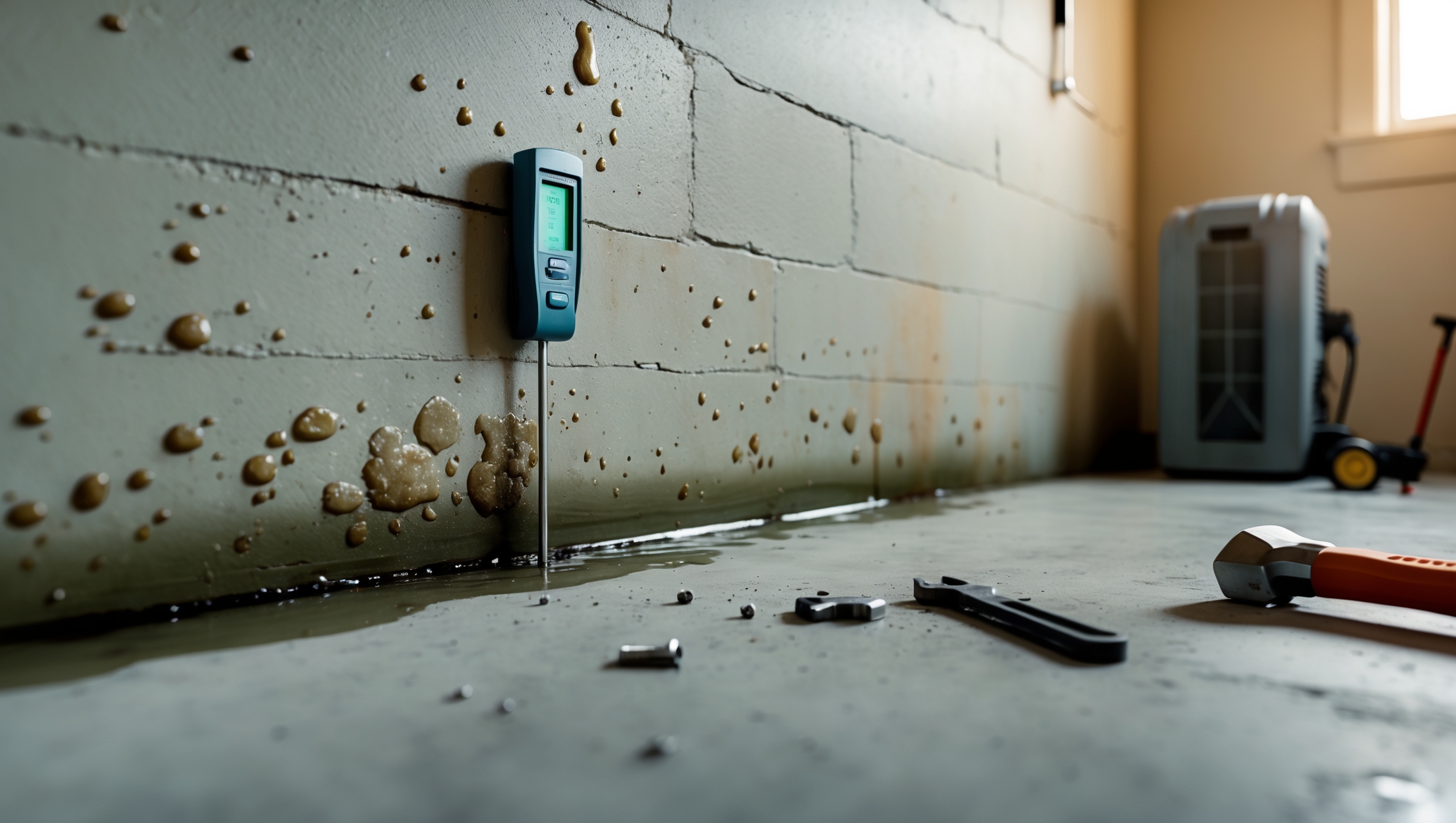
Introduction: The Silent Threat of Hidden Moisture
Water is essential for life, but when it finds its way into the wrong places in your home, it can become a silent and destructive force. Hidden moisture and water intrusion are among the most underestimated threats to residential properties. Unlike obvious leaks or floods, hidden moisture often creeps in gradually, lurking behind walls, beneath floors, or within your home’s foundation. Left unchecked, it can lead to structural damage, promote mold growth, degrade indoor air quality, and devalue your property. Many homeowners only realize there’s a problem once the damage is significant—and expensive to repair.
Understanding how to detect, diagnose, and prevent water intrusion is a crucial skill for any homeowner. Whether you’re living in an older house with a mysterious musty odor or a newer build with suspiciously high humidity, this comprehensive guide will walk you through proven methods and practical steps to safeguard your investment. We’ll explore the most common sources of hidden moisture, the warning signs to watch for, cutting-edge detection tools, and effective prevention strategies. By the end, you’ll not only know how to spot trouble before it escalates but also how to fortify your home against future water woes. Let’s dive into the world of hidden moisture and take proactive steps to keep your home dry, healthy, and resilient for years to come.
Understanding Water Intrusion: Where and How It Happens
Common Entry Points for Moisture
Water can enter your home through a surprising variety of routes. Some are obvious, like a leaking roof or burst pipe, but many are more subtle:
- Foundation Cracks: Even hairline cracks in your foundation walls or floor slab can allow groundwater to seep in, especially after heavy rain.
- Basement Windows and Egress Wells: Poorly sealed or aging window frames can invite water during storms.
- Roof and Attic: Damaged shingles, flashing, or vent stacks can let rainwater infiltrate attic spaces and trickle down into walls.
- Exterior Walls: Gaps in siding, brickwork, or stucco, as well as failed caulking around windows and doors, provide easy access for moisture.
- Plumbing Leaks: Hidden leaks within walls, under sinks, or behind appliances are notorious for causing long-term moisture problems.
- Crawlspaces: Poor drainage, high humidity, or vapor rising from unsealed ground can saturate crawlspace air and materials.
Types of Water Intrusion
- Bulk Water Intrusion: Occurs during heavy rains, flooding, or pipe bursts—typically obvious and rapidly damaging.
- Capillary Action: Water wicks upward through porous materials like concrete or brick, moving against gravity and often going unnoticed.
- Airborne Moisture: High indoor humidity, condensation on cold surfaces, or poor ventilation can cause hidden dampness and mold.
Detecting Hidden Moisture: Signs and Symptoms
Visual Cues
Some signs are visible if you know where to look:
- Staining or Discoloration: Yellow, brown, or gray patches on ceilings, walls, or floors often indicate past or ongoing moisture.
- Bubbling or Peeling Paint: Water behind painted surfaces causes paint to lose adhesion.
- Warped or Buckling Flooring: Wood and laminate floors will cup, crown, or separate when exposed to moisture.
- Efflorescence: White, powdery deposits on concrete or brick are left behind by evaporating water carrying salts.
- Mold or Mildew: Black, green, or fuzzy patches are a sure sign of excess moisture.
Olfactory Clues
- Musty Odors: A persistent earthy or musty smell often points to hidden dampness, especially in basements, attics, or closets.
Physical Symptoms
- Allergy or Respiratory Issues: Mold spores and dust mites thrive in damp conditions, contributing to health problems for residents.
Tools and Techniques for Accurate Moisture Detection
Essential Tools for Homeowners
- Moisture Meter: A handheld device that measures the moisture content of wood, drywall, or concrete. Pin-type meters give precise readings inside materials, while pinless meters are quick and non-invasive.
- Infrared (Thermal) Camera: Visualizes temperature differences in surfaces, helping identify cold, damp spots where water has collected.
- Hygrometer: Measures relative humidity in the air—high readings in certain areas may indicate hidden moisture.
- Inspection Mirror and Flashlight: For peering behind appliances, under sinks, or into tight crawlspaces.
DIY Detection Techniques
- Check baseboards and trim for warping, swelling, or discoloration.
- Press gently on suspect areas of drywall—softness may indicate hidden rot.
- Lay a clear plastic sheet on basement floors overnight; if condensation appears beneath it, moisture is wicking up from below.
When to Call a Professional
If you suspect significant water intrusion but can’t pinpoint the source, or if you detect extensive mold, it’s wise to consult a certified home inspector or water damage specialist. They can conduct thorough assessments and recommend targeted remediation.
Prevention Strategies: Keeping Moisture Out for Good
Exterior Defenses
- Maintain Roof Integrity: Inspect shingles, flashing, and gutters annually. Replace damaged materials promptly to prevent leaks.
- Gutter and Downspout Management: Clean gutters regularly and extend downspouts at least 6 feet from the foundation to channel water away.
- Seal Windows and Doors: Re-caulk or weatherstrip as needed to keep out rain and humidity.
- Grading and Landscaping: Ensure soil slopes away from your home’s foundation. Avoid planting water-loving shrubs too close to exterior walls.
- Foundation Waterproofing: Apply exterior waterproof coatings or install drainage systems (like French drains) if you have chronic wetness.
Interior Safeguards
- Control Indoor Humidity: Use dehumidifiers in basements and bathrooms. Maintain indoor humidity below 50% to deter mold.
- Install Vapor Barriers: For crawlspaces and basement walls, vapor barriers prevent ground moisture from rising into living spaces.
- Insulate Pipes: Prevent condensation and burst pipes by insulating plumbing in unconditioned areas.
- Regular Plumbing Checks: Inspect under sinks, behind toilets, and around water heaters for leaks or corrosion.
- Appliance Maintenance: Replace washing machine hoses every 5 years, check refrigerator and dishwasher connections, and regularly empty drip pans.
Advanced Solutions for Persistent Problems
Interior Drainage and Sump Pumps
If your basement or crawlspace is prone to flooding or high water tables, an interior perimeter drainage system with a sump pump may be necessary. This involves channeling water to a sump pit, where it’s pumped safely away from the structure.
Encapsulation Systems
For homes with chronic crawlspace moisture, full encapsulation—using heavy-duty vapor barriers on floors and walls, plus a dedicated dehumidifier—can transform a damp, mold-prone space into a dry, usable area.
Mold Remediation
If mold is already present, removal should be handled by professionals, especially for infestations larger than 10 square feet. Proper containment, cleaning, and air filtration prevent spores from spreading throughout your home.
Ongoing Maintenance: Your Moisture Prevention Checklist
- Inspect roof, gutters, and attic for leaks each spring and fall.
- Test basement and crawlspace humidity monthly; adjust dehumidifiers as needed.
- Re-caulk windows and doors annually.
- Flush water heater and check for leaks every 6 months.
- Have plumbing and HVAC systems professionally inspected every 2–3 years.
- After major storms, check for new water stains or dampness in vulnerable areas.
Case Study: Solving a Persistent Basement Leak
Background: The Smith family noticed a musty odor and occasional puddling in their finished basement, despite no visible plumbing leaks. Over two years, drywall began to discolor and laminate flooring warped.
Diagnosis: Using a moisture meter, they found elevated readings along the base of exterior walls. An infrared camera revealed cold spots near a window well. Investigation showed clogged gutters, negative grading, and failed caulking around the window.
Solution: The Smiths cleaned and extended gutters, re-graded the soil, re-caulked basement windows, and installed a dehumidifier. Damaged drywall and flooring were replaced. After six months, the basement remained dry and odor-free, with no further signs of moisture.
Conclusion: Proactive Protection Pays Off
Hidden moisture and water intrusion are among the most insidious threats to a home’s longevity, comfort, and value. The damage they cause can be gradual but devastating—ruining structural elements, fostering mold, and triggering costly repairs. However, with the right knowledge and a proactive approach, you can dramatically reduce your risk and enjoy peace of mind in your living space.
Start by familiarizing yourself with the most common entry points for water and performing regular inspections. Invest in basic detection tools like a moisture meter or hygrometer, and don’t ignore subtle warning signs like musty odors or minor staining. Address minor issues immediately; small leaks and damp areas rarely resolve on their own and often escalate over time.
Prevention is always more affordable than remediation. Maintain your roof, gutters, and exterior seals. Control indoor humidity and keep an eye on appliances and plumbing. For persistent or severe problems, don’t hesitate to seek professional help—sometimes expert intervention is the most cost-effective solution in the long run.
By taking these steps, you’ll protect not only your home’s physical structure but also the health and well-being of your family. Stay vigilant, stay informed, and make moisture management a regular part of your home improvement routine. With diligence and the right tools, you can keep hidden water at bay and ensure your home remains a safe, dry, and comfortable haven for years to come.