
Introduction: Why Foundation Maintenance Matters
Your home’s foundation is its literal and figurative bedrock—without a healthy, stable base, the entire structure is at risk. Yet, many homeowners overlook the importance of regular foundation maintenance until problems arise, often resulting in costly repairs and ongoing headaches. Foundation issues can lead to uneven floors, cracked walls, sticking doors, and even compromise your home’s resale value. Fortunately, most foundation problems are preventable with proactive, consistent care. In this guide, you’ll learn how to inspect, maintain, and protect your foundation, what warning signs to look for, and how to address minor issues before they become major expenses. Whether you live in an older home or a new build, these expert strategies will help you secure your investment and enjoy peace of mind knowing your home’s foundation is sound.
Understanding Your Home’s Foundation
Types of Foundations
Before diving into maintenance, it’s important to know the type of foundation your home has, as each comes with its own maintenance needs:
- Slab-on-grade: A single layer of concrete poured at ground level. Common in warmer climates.
- Crawl space: Elevated foundation with a space between the ground and the house’s floor joists. Allows access to plumbing and electrical systems.
- Basement: Deeper foundation that creates a full or partial below-ground living/storage space.
Common Causes of Foundation Problems
- Poor drainage: Water pooling near the foundation can erode soil and increase hydrostatic pressure.
- Soil movement: Expansive clay or poorly compacted fill soil can shift, causing cracks and settling.
- Tree roots: Large trees planted too close can draw moisture from soil, causing it to shrink.
- Plumbing leaks: Undetected leaks can saturate soil beneath the foundation.
- Improper grading: Slopes that direct water toward the house instead of away.
Routine Foundation Inspection Checklist
Regular inspections are your first line of defense against foundation problems. Conduct a detailed check at least twice a year—ideally in spring and fall when weather changes can affect soil moisture.
Exterior Checks
- Walk the perimeter and look for visible cracks, bulges, settling, or separation between the foundation and exterior walls.
- Inspect for gaps around windows and doors; these can signal shifting foundations.
- Check for standing water or signs of poor drainage, such as erosion or water stains.
- Monitor landscaping—roots, overgrown shrubs, or mulch piled against the foundation can cause moisture problems.
Interior Checks
- Look for cracks in drywall, especially above doors and windows, or stair-step cracks in brick or block walls.
- Check if floors are level or if doors and windows stick or don’t close properly.
- Inspect the basement or crawl space for dampness, mold, or musty odors.
- Examine support columns or piers for shifting, rot, or rust (for metal supports).
Essential Maintenance Strategies
1. Manage Water and Drainage
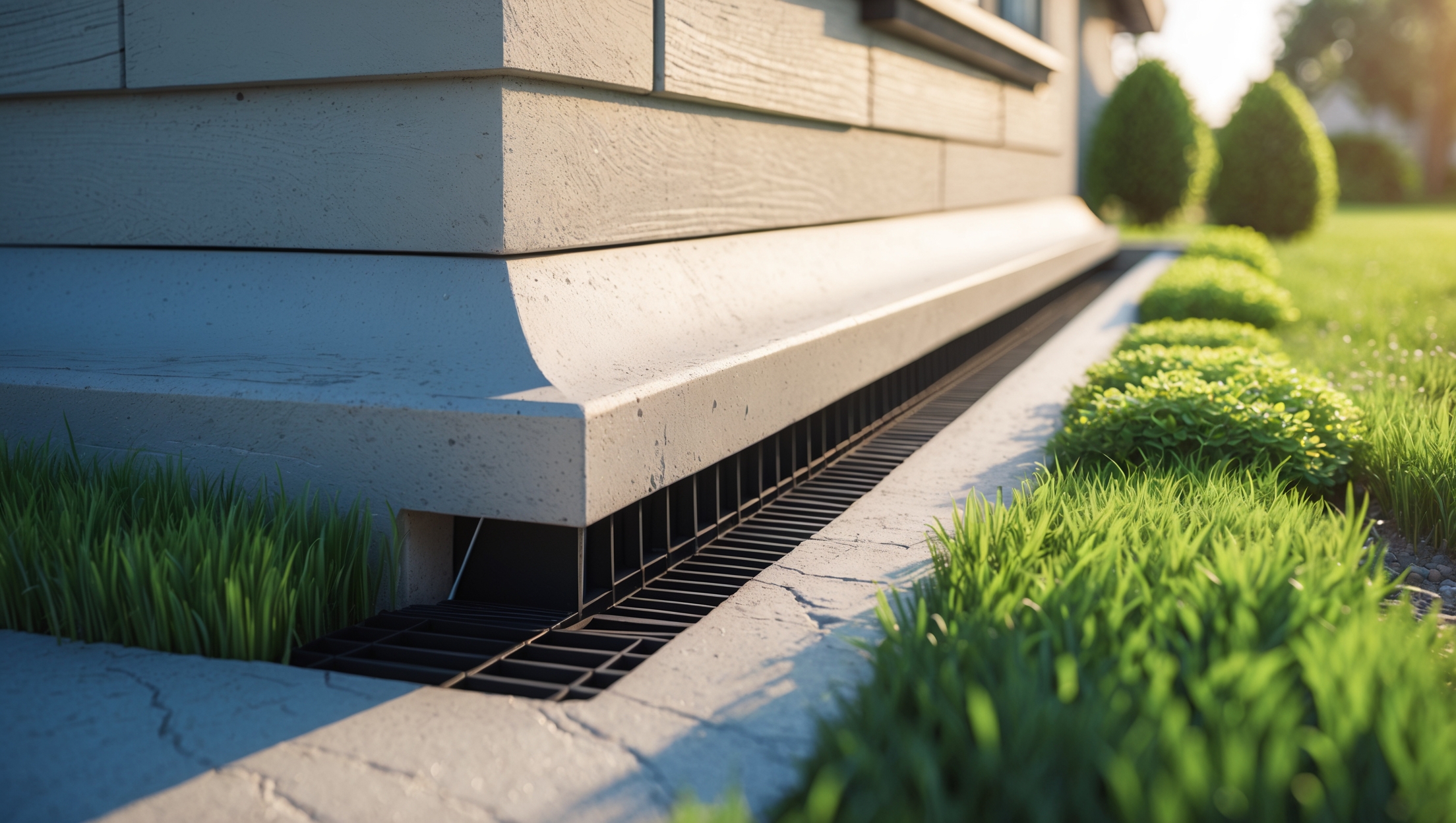
Water is the leading cause of foundation issues. Proper drainage prevents soil saturation and erosion.
- Gutter maintenance: Clean gutters twice a year and ensure downspouts direct water at least 5–10 feet from the foundation.
- Install extensions or splash blocks: Prevent water from pooling at the base of your home.
- Check grading: The soil should slope away from your home at a minimum of 6 inches per 10 feet.
- French drains or swales: For persistent wet areas, consider professional installation of underground drainage solutions.
2. Maintain Consistent Moisture Levels
Sudden changes in soil moisture can lead to foundation movement. This is especially important in areas with clay-rich soils.
- Soaker hoses: During dry spells, use soaker hoses 12–18 inches from the foundation to maintain consistent soil moisture. Set on a timer to avoid overwatering.
- Mulch beds: Apply mulch to flower beds near the foundation to help regulate soil moisture, but keep mulch at least 4 inches away from the foundation wall.
3. Landscape Responsibly
- Planting distance: Keep large trees at least as far from the house as their mature height. Deep-rooted trees can disrupt soil moisture and cause heaving or settling.
- Root barriers: For existing trees, consult an arborist about installing root barriers to prevent roots from reaching the foundation.
- Choose foundation-friendly plants: Opt for shrubs and groundcover with shallow root systems near the house.
4. Repair Cracks Promptly
Not all foundation cracks are serious, but ignoring them can be. Hairline cracks are common, but wider or growing cracks need attention.
- Monitor: Mark the ends of cracks and check periodically for changes.
- Seal minor cracks: Use masonry caulk or epoxy injection kits for small, non-structural cracks.
- Call a professional: If you notice widening, vertical displacement, or cracks wider than 1/4 inch, consult a foundation specialist.
5. Prevent Plumbing Leaks
- Check for signs of leaks under sinks, around toilets, and in basements or crawl spaces.
- Inspect supply lines and drain pipes regularly for corrosion or drips.
- Schedule periodic inspections of hidden or underground plumbing, especially if your home is older.
Warning Signs You Shouldn’t Ignore
Some foundation symptoms require immediate attention. If you notice any of these, don’t delay in contacting a professional:
- Diagonal, horizontal, or stair-step cracks in foundation walls
- Large, uneven gaps around window or door frames
- Sudden, unexplained water intrusion in basements or crawl spaces
- Noticeable sloping of floors (use a marble or laser level to check)
- Bowing or bulging basement walls
- Persistent musty odors or visible mold growth
Foundation Maintenance by Season
Spring
- Inspect for winter damage, including cracks caused by frost heave.
- Clean gutters and downspouts, ensuring water flows freely away from the house.
- Check grading for erosion caused by snowmelt or heavy rain.
Summer
- Monitor soil moisture and use soaker hoses as needed.
- Inspect landscaping—trim back overgrown plants and check for problematic roots.
- Repair minor cracks before heat causes them to expand.
Fall
- Clean gutters of leaves and debris before wet weather arrives.
- Inspect and repair drainage systems.
- Apply mulch to regulate winter soil moisture and temperature.
Winter
- Check for ice dams and direct meltwater away from the foundation.
- Monitor indoor humidity to prevent condensation in basements.
- Inspect for frost heave in colder regions.
When to Call a Professional
While diligent maintenance prevents most issues, some situations require the expertise of a foundation contractor or structural engineer. Seek professional help if:
- Cracks are wider than 1/4 inch, growing, or accompanied by vertical displacement.
- You notice bowing walls, sinking sections, or sudden movement.
- There’s chronic water intrusion despite drainage improvements.
- DIY repairs haven’t stopped the progression of damage.
Professional assessments may include soil analysis, structural monitoring, and recommendations for underpinning, pier installation, or other advanced solutions.
Foundation Maintenance Tools & Supplies
- Flashlight and inspection mirror for hard-to-see areas
- Level or laser level for checking floor sloping
- Masonry caulk or epoxy crack repair kits
- Gutter cleaning tools and downspout extensions
- Soaker hoses and timers
- Mulch, landscaping fabric, and root barriers
- Moisture meter (for crawl spaces and basements)
Cost Breakdown: Preventive Care vs. Repairs
Preventive Maintenance Costs
- Gutter cleaning and repairs: $100–$300/year (DIY or hire out)
- Downspout extensions: $10–$50 each
- Soaker hoses and timers: $30–$100 total
- Crack sealing supplies: $20–$100 per repair
- Professional inspections: $300–$800 (every few years)
Foundation Repair Costs
- Minor crack repair: $250–$800 per crack (professional)
- Underpinning/pier installation: $2,000–$10,000+ (depending on size and severity)
- Drainage system installation: $2,000–$6,000
- Basement waterproofing: $1,500–$10,000
Investing a few hundred dollars annually in maintenance can save you thousands in repairs and preserve your home’s value.
Foundation Maintenance for Different Climates
Wet Climates
- Prioritize drainage; consider French drains and waterproofing membranes.
- Check for mold and mildew regularly.
- Monitor for signs of hydrostatic pressure (bowed walls, water seepage).
Dry/Expansive Soil Climates
- Maintain steady soil moisture with soaker hoses.
- Mulch and landscape to reduce evaporation.
- Inspect for signs of soil shrinkage (gaps between soil and foundation).
Cold Climates
- Address grading and drainage before winter freeze to prevent frost heave.
- Seal cracks and gaps to keep moisture out before freezing temperatures.
- Insulate crawl spaces and basements to reduce condensation.
Frequently Asked Questions
How often should I inspect my foundation?
At least twice a year, preferably in spring and fall. Also, check after severe weather or earthquakes.
Should I be worried about small foundation cracks?
Hairline cracks are common and usually not serious, but monitor them for growth or displacement. If in doubt, consult a professional.
Can landscaping really affect my foundation?
Yes! Trees, shrubs, and poor grading can dramatically impact soil moisture, leading to foundation problems.
Is DIY crack repair safe?
For small, non-structural cracks, DIY repair is fine. For anything wider or growing, call an expert.
Conclusion: Protect Your Home with Proactive Foundation Care
Your foundation’s health determines your home’s long-term safety, comfort, and value. While foundation issues can seem daunting, most are preventable with regular inspections and a handful of smart, proactive habits. By managing water, maintaining consistent soil moisture, landscaping wisely, and repairing minor cracks promptly, you can avoid the most common pitfalls that lead to costly structural damage. Remember, the warning signs of foundation problems—persistent cracks, shifting walls, chronic moisture—should never be ignored. When in doubt, consult a qualified professional for peace of mind and expert solutions. Investing in foundation maintenance isn’t just about avoiding repairs; it’s about preserving your biggest asset and ensuring your family’s safety for years to come. Start your inspection today, set a maintenance routine, and rest easy knowing your home’s foundation is strong, stable, and ready to withstand whatever nature throws its way.