
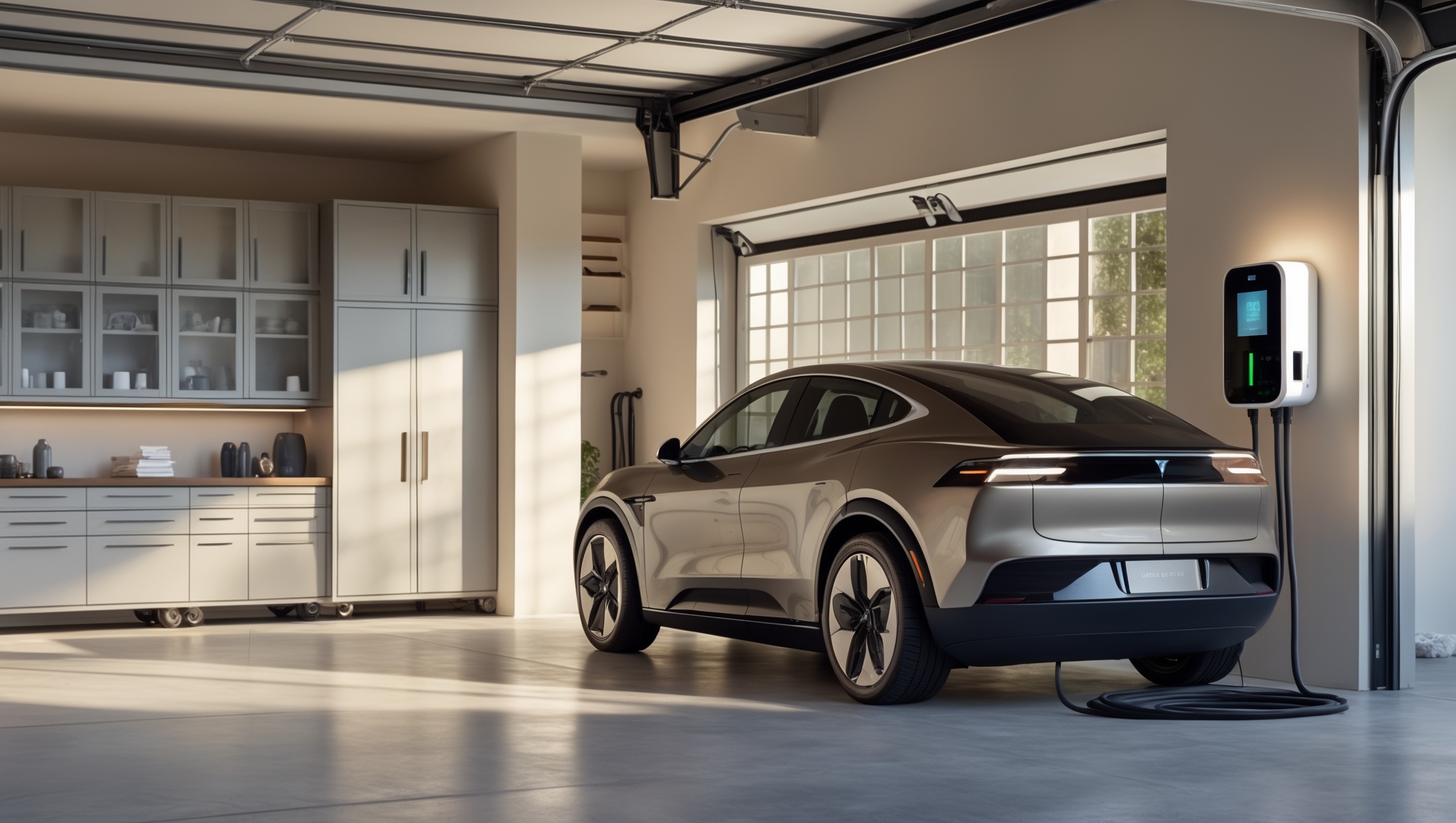
Introduction: The Surge in Home EV Charging Stations
The rapid adoption of electric vehicles (EVs) has sparked a parallel demand for accessible, reliable, and affordable home charging solutions. For homeowners contemplating the switch to electric, the convenience of charging at home is a major selling point, but it also raises important questions: What does it really cost to install a home EV charging station? How do you budget effectively for the project? What expenses are often overlooked, and how can you avoid being surprised by hidden costs? This detailed guide dives deep into the real-world cost breakdown and budgeting strategies for installing a home EV charging station. Whether you drive a Tesla, Nissan Leaf, Chevy Bolt, or any other EV, understanding the financial and practical factors involved will help you make informed decisions, maximize your investment, and ensure a smooth installation process.
We’ll cover the different types of charging stations, equipment options, electrical upgrades, labor costs, permitting fees, ongoing maintenance, and smart budgeting moves. By the end, you’ll know what to expect, how to avoid common cost pitfalls, and how to get the best value from your home charging setup.
Understanding Home EV Charging Levels
Level 1 Charging
Level 1 charging uses a standard 120V household outlet. It’s the slowest option, adding about 3-5 miles of range per hour. Most new EVs come with a Level 1 charger, making this the most budget-friendly—though not the most practical if you drive daily or long distances.
- Equipment Cost: Typically included with the vehicle purchase.
- Installation Cost: None, unless you need to add an outdoor-rated outlet.
- Best For: Low-mileage drivers or plug-in hybrids.
Level 2 Charging
Level 2 charging requires a 240V outlet and a dedicated charging unit. It’s the most popular choice for homeowners, providing 15-40 miles of range per hour. This is the sweet spot for most daily EV drivers.
- Equipment Cost: $400–$800 for a basic unit; $1,000+ for smart or high-powered models.
- Installation Cost: $400–$2,000+, depending on your electrical system.
- Best For: Daily drivers and households with multiple EVs.
Cost Breakdown: What You’ll Really Pay
Charging Station Equipment
- Basic Level 2 Charger: $400–$700
- Smart/Networked Charger: $700–$1,200 (Wi-Fi connectivity, scheduling, energy monitoring)
- Outdoor-Rated Models: Add $100–$300 for weatherproofing
Consider future-proofing by choosing a charger that can support higher amperage or dual vehicles if you expect your needs to grow.
Electrical Upgrades
- 240V Outlet Installation: $200–$500 (if your panel has capacity and is near the installation point)
- Panel Upgrade (if needed): $1,000–$3,000+
- Subpanel Addition: $500–$1,500
- Long Cable Runs/Trenching: $10–$25 per linear foot
Older homes may require significant upgrades to safely support a Level 2 charger. Always have a licensed electrician assess your panel capacity and wiring before starting.
Permitting and Inspection Fees
- Permit Fees: $50–$300, depending on local regulations
- Inspection Fees: Sometimes included with permit; occasionally an additional $50–$100
Permits are mandatory in most areas for new 240V circuits. Skipping this step can create legal and safety headaches down the line.
Labor Costs
- Electrician Hourly Rate: $65–$120 per hour (varies by region)
- Typical Installation Time: 2–8 hours, depending on complexity
- Total Labor Estimate: $300–$1,200+
Complex installations—such as those requiring panel upgrades or long wiring runs—increase labor costs significantly.
Additional Materials and Supplies
- Conduit, Wiring, Breakers: $100–$300, depending on distance and materials
- Mounting Hardware: $30–$100
- Weatherproof Covers/Boxes: $30–$75 (for outdoor installations)
Ongoing Costs
- Electricity Usage: Varies by kWh rates and vehicle usage. Average: $30–$70/month for most EV drivers (cheaper than gasoline, but should be factored in).
- Maintenance: Minimal for most residential units, but periodic checks and cleaning are recommended.
Sample Budget Scenarios
Scenario 1: Basic Installation (Garage, Modern Panel)
- Level 2 Charger (basic): $500
- 240V Outlet Installation: $300
- Permitting: $100
- Labor (3 hours): $300
- Material/Supplies: $150
- Total Estimated Cost: $1,350
Scenario 2: Panel Upgrade & Outdoor Charger
- Level 2 Charger (weatherproof, smart): $900
- Panel Upgrade: $2,200
- Trenching/Cable Run (30 feet): $600
- Permitting: $200
- Labor (8 hours): $900
- Material/Supplies: $300
- Total Estimated Cost: $5,100
These examples illustrate the potential range, from straightforward jobs under $1,500 to complex installations over $5,000.
Hidden or Overlooked Costs
- Distance from Panel to Charger: The farther the charger is from your main electrical panel, the higher the labor and material costs due to longer wiring runs and potential digging/trenching.
- Wall Repairs: Drilling or running conduit through finished walls may require patching and repainting.
- Outdoor Installations: Weatherproofing, mounting posts, or additional safety features may be required for installations outside your garage.
- Smart Charger Features: Wi-Fi capability, energy monitoring, and app integration may add to upfront costs, though they offer long-term benefits.
- Homeowner Association (HOA) Rules: Some HOAs require additional approvals or specific installation methods, which could add costs.
- Upgrading Driveway or Garage: Resurfacing or reorganizing the garage for better charger access can introduce unplanned expenses.
How to Budget Effectively for Your EV Charging Project
Step 1: Assess Your Electrical System
Before shopping for chargers, have a licensed electrician evaluate your home’s panel capacity and wiring. This step identifies whether you need a simple outlet or a costly panel upgrade.
Step 2: Get Multiple Quotes
Reach out to several qualified electricians. Provide clear details about your EV, desired charging location, and any special requirements. Compare itemized quotes to identify outliers or hidden fees.
Step 3: Factor in Permits and Inspections
Ask your electrician if permit costs are included in the quote and confirm what your local jurisdiction requires. Never skip permitting—it protects your investment and ensures insurance compliance.
Step 4: Prioritize Features Based on Needs
- Smart Features: Do you want app-based scheduling, energy tracking, or remote control? Only pay for features you’ll use regularly.
- Amperage and Speed: Higher amperage units cost more, but are only necessary for vehicles with large batteries or multi-car households.
Step 5: Plan for Future Expansion
If you’re considering a second EV in the next few years, invest in a charger and electrical setup that can handle future demand, saving on costly upgrades later.
Step 6: Set Aside a Contingency Fund
Reserve 10–20% of your budget for unforeseen issues, such as additional wiring, wall repairs, or upgrades discovered during installation.
Potential Rebates, Tax Credits, and Incentives
Many states, utility companies, and even manufacturers offer rebates or incentives to offset the cost of home charger installation. These can cover equipment, installation, and sometimes even panel upgrades.
- Federal Tax Credit: As of 2024, a tax credit of up to 30% of the cost (capped at $1,000) may be available. Check the latest IRS guidelines.
- State/Local Rebates: Amounts and eligibility vary; some offer $200–$1,500 for charger installation.
- Utility Company Incentives: Some utilities offer cash-back or reduced rates for off-peak EV charging.
Always confirm eligibility and submit required paperwork promptly. Note that rebates are often first-come, first-served and may have income or location restrictions.
DIY vs. Professional Installation: Weighing the Risks and Savings
While some homeowners are tempted to install a Level 2 charger themselves, most experts recommend hiring a licensed electrician. Improper installation can void warranties, cause safety hazards, and create insurance or resale problems. Even if you’re experienced with electrical work, local codes or utility requirements may mandate professional installation and inspection for insurance and permit compliance.
- DIY Savings: You could save $300–$1,200 in labor, but risk costly mistakes.
- Professional Peace of Mind: Ensures code compliance, safety, and eligibility for rebates and insurance.
Maximizing Value: Tips to Avoid Overspending
- Choose the Right Charger: Don’t overbuy on amperage or features you won’t use.
- Install Near Your Panel: Locating the charger close to your main electrical panel reduces labor and material costs.
- Bundle Upgrades: If you’re planning other electrical work (like solar panel installation), bundle projects to reduce costs and disruption.
- Shop Off-Season: Some contractors offer discounts during slower months.
- Leverage Incentives: Apply for all available rebates and tax credits immediately to recoup costs faster.
Maintenance and Long-Term Considerations
Routine Maintenance
- Inspect cables and plugs for wear or damage monthly.
- Clean the charger and cord to remove dust, debris, or salt (especially in winter climates).
- Check that mounting hardware is secure and the unit is firmly attached to the wall or pedestal.
- Test the charger’s operation and software updates periodically, especially for smart units.
Warranty and Support
Most Level 2 chargers come with a 3–5 year warranty. Keep all purchase and installation documentation for warranty claims or future home resale.
Conclusion: Charging Forward with Confidence
Installing a home EV charging station is a smart investment that boosts convenience, future-proofs your property, and supports a sustainable lifestyle. However, it’s essential to approach the project with a clear understanding of all potential costs—not just the sticker price of the charging unit. As outlined in this guide, installation expenses can range from under $1,500 for straightforward jobs to over $5,000 for complex scenarios involving panel upgrades or outdoor trenching. Being prepared for permitting fees, labor, electrical upgrades, and hidden costs like repairs or weatherproofing ensures your project stays on budget.
Budgeting effectively means assessing your home’s electrical system, prioritizing features, comparing quotes, and planning for contingencies. Don’t overlook the value of professional installation, which safeguards your investment and ensures compliance with local codes and insurance requirements. Remember to explore all available incentives and rebates—they can significantly offset your upfront costs.
Finally, a well-installed and maintained charging station not only makes day-to-day EV ownership easier but can also increase your home’s appeal and value in a rapidly electrifying market. With a little planning and a clear budget, you’ll enjoy the full benefits of home charging—efficiently, safely, and affordably.