
Introduction: Why Water Leak Detection Matters
Water leaks are one of the most common and costly issues homeowners face, often causing significant damage long before they’re detected. From hidden pipe bursts behind walls to slow drips under sinks, undetected leaks can lead to rot, mold, and extensive structural repairs. Insurance claims for water damage run into billions annually, and many of these disasters could have been avoided with early detection. In today’s world, technology offers new ways to spot problems before they escalate—combining traditional DIY checks with modern smart sensors for a robust home protection strategy. This guide offers a detailed look at how you can safeguard your property, outlining practical steps, recommended tools, and expert tips to help you prevent costly surprises.
Understanding Water Leak Risks in the Home
Common Sources of Leaks
- Plumbing Joints: Weak seals, worn washers, or pipe corrosion can cause leaks at connection points.
- Appliances: Dishwashers, washing machines, water heaters, and refrigerators with water lines are common culprits.
- Bathrooms: Under-sink pipes, toilet bases, and shower/tub surrounds often develop slow leaks.
- Roofs and Attics: Damaged shingles or flashing can allow water to enter and travel down walls unnoticed.
- Basements and Crawl Spaces: Poor drainage or foundation cracks may lead to persistent dampness or standing water.
The Cost of Undetected Leaks
A small leak may seem harmless, but over time, it can lead to:
- Structural damage to floors, walls, and foundations
- Growth of mold and mildew, affecting air quality and health
- Increased water bills
- Electrical hazards if water contacts wiring
- Decreased property value and expensive insurance claims
DIY Water Leak Inspection: A Room-by-Room Checklist
Kitchen
- Check under the sink for moisture, warped cabinet wood, or musty odors.
- Inspect dishwasher and refrigerator water lines for dampness or pooling water.
- Feel around the base of appliances and behind them if possible.
- Look for stains on floors or walls near plumbing fixtures.
Bathroom
- Examine under-sink pipes for drips, corrosion, or water stains.
- Press around the base of toilets for soft spots or discoloration.
- Inspect caulk and grout in tubs and showers for cracks or gaps.
- Check exhaust fans for water stains (may indicate hidden roof leaks).
Laundry Room
- Look behind the washing machine for leaking hoses or puddles.
- Ensure utility sink connections are dry and secure.
- Check for discoloration or swelling in floors and walls nearby.
Basement & Crawl Spaces
- Inspect the perimeter for standing water, dampness, or musty smells.
- Look at exposed pipes for condensation, rust, or active drips.
- Check sump pump operation and surrounding area for water signs.
Attic & Roof
- Look for water stains on rafters, insulation, or ceiling below.
- Check around vents, skylights, and chimneys for dampness.
- After heavy rain, inspect for soft spots or new discoloration.
Whole House
- Monitor water meter: If all taps are off and the meter moves, you may have a hidden leak.
- Listen for hissing or dripping sounds in walls or floors.
- Note any unexplained increase in your water bill.
Smart Water Leak Sensors: The Modern Shield
How Smart Leak Detectors Work
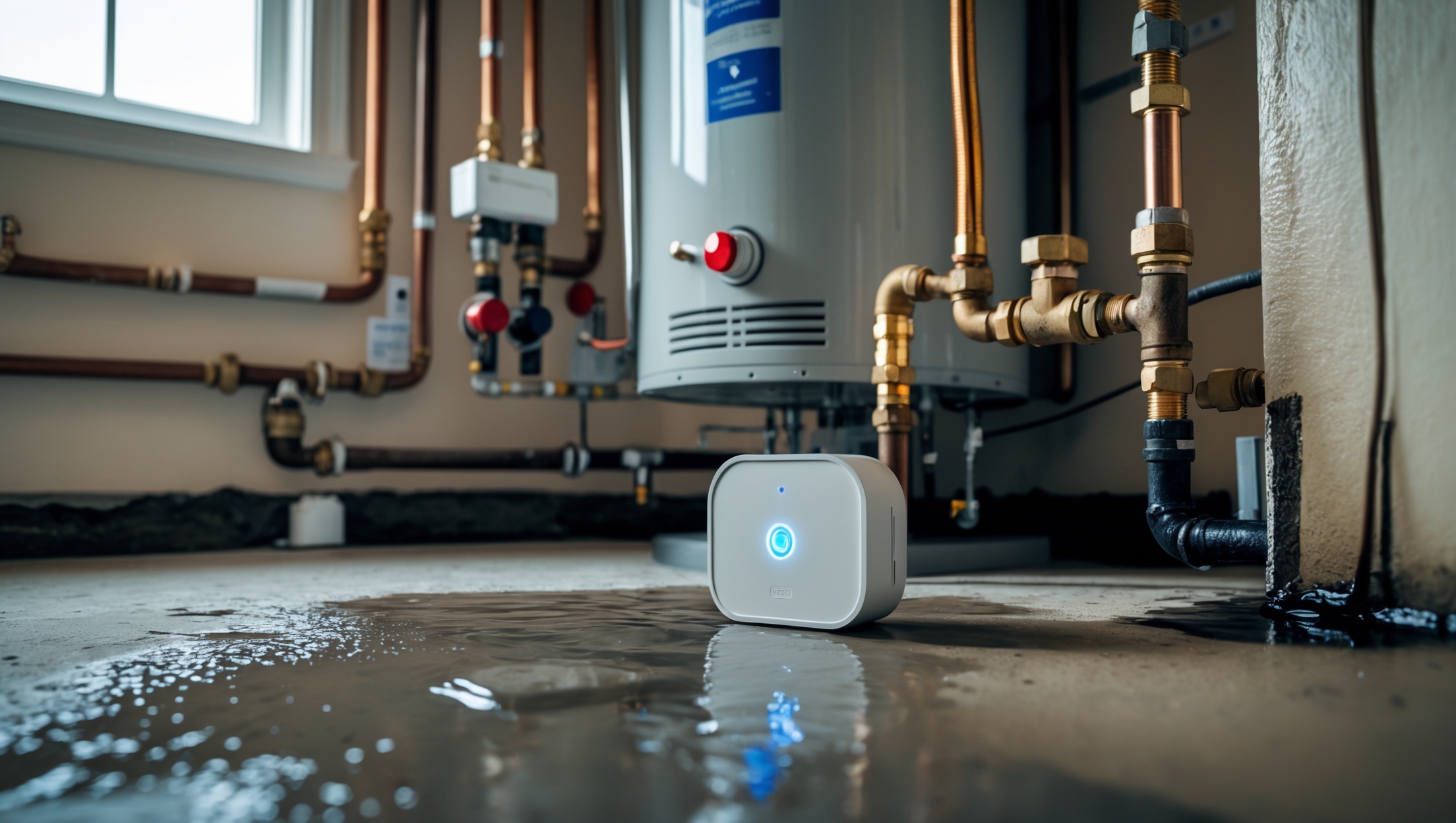
Smart water leak sensors are compact devices placed near potential trouble spots—under sinks, behind appliances, or in basements. They detect moisture and, in some cases, monitor temperature to warn of freezing pipes. When triggered, they send instant alerts to your phone or smart home hub, allowing for swift action even if you’re away.
Benefits of Smart Sensors
- Immediate Notification: Receive alerts on your smartphone, minimizing response time.
- Remote Monitoring: Monitor your property even when traveling or at work.
- Integration: Many systems integrate with smart home platforms for automation (e.g., shutting off water supply if a leak is detected).
- Peace of Mind: Know your home is protected 24/7 from potential water disasters.
Features to Look For
- Battery life (ideally 2+ years)
- Wi-Fi or Zigbee/Z-Wave connectivity
- Temperature sensing for freeze warnings
- Audible alarms in addition to digital notifications
- Water shutoff valve integration for advanced protection
Best Locations for Sensors
- Under kitchen and bathroom sinks
- Near water heaters and washing machines
- Basement corners and sump pumps
- Behind refrigerators with ice makers
- Under dishwashers
Step-by-Step Guide: Installing and Maintaining Water Leak Sensors
Preparation
- Choose sensor locations based on your home’s risk profile.
- Read manufacturer instructions for setup and app installation.
- Ensure a strong Wi-Fi signal at each sensor location.
Installation Steps
- Unbox the sensor and insert batteries as directed.
- Download the companion app and create an account if necessary.
- Follow the app’s pairing process to connect the sensor to your network.
- Place the sensor flat on the floor or mount it using included adhesive or screws, ensuring metal contacts touch the surface where water would accumulate.
- Test the sensor by touching the detection contacts with a damp cloth or a small drop of water. Confirm that you receive an alert.
- Label the sensor in your app according to its location for easy identification during alerts.
Maintenance Tips
- Test each sensor at least every six months.
- Replace batteries annually or as recommended.
- Clean sensors gently to remove dust and debris that may affect detection.
- Update the app and firmware as prompted for security and reliability.
Low-Cost and No-Tech Leak Detection Methods
Food Coloring Test for Toilets
Add a few drops of food coloring to the toilet tank. Wait 15–20 minutes without flushing. If color appears in the bowl, you have a leak in the flapper or flush valve.
Paper Towel Test for Appliances
Place a dry paper towel under suspected appliances or pipes overnight. Any visible wetness in the morning signals a slow leak.
Visual and Tactile Checks
- Run your hand along pipes and fittings to feel for moisture.
- Look for bubbling paint or wallpaper, which often indicates hidden leaks.
- Tap baseboards and flooring for softness or warping.
What To Do If You Find a Leak
Immediate Steps
- Shut off the water supply at the nearest valve or the main line.
- Contain water using towels, buckets, or a wet/dry vacuum.
- Move electronics, furniture, and valuables out of the affected area.
- Document damage with photos for insurance claims.
- Contact a licensed plumber if the source is not easily fixed or if major repairs are needed.
Drying and Mitigation
- Use fans and dehumidifiers to dry out damp areas quickly.
- Remove carpets and padding if saturated to prevent mold growth.
- Disinfect surfaces exposed to water, especially if from a contaminated source.
Integrating Leak Detection Into Home Maintenance Routines
Monthly Quick Checks
- Inspect under sinks and behind appliances for fresh signs of leaks.
- Review your water bill for sudden increases.
- Test smart sensors for proper functioning.
Annual Plumbing Review
- Check exposed pipes for corrosion, especially after winter.
- Inspect appliance hoses and replace if older than five years.
- Review caulking and grout in wet areas; reapply as needed.
Seasonal Tips
- Before vacation, test all sensors and consider shutting off the main water supply.
- In cold climates, insulate pipes and monitor for freeze alerts from smart sensors.
Comparing Popular Smart Leak Detection Systems
Standalone Sensors
Brands like Honeywell and Govee offer Wi-Fi-enabled, battery-powered units. These are affordable and easy to deploy, suitable for renters and homeowners alike.
Integrated Smart Home Systems
More advanced options, such as Flo by Moen or Phyn, combine sensors with automatic water shutoff valves and advanced analytics. These systems require professional installation but offer whole-home protection and water usage insights.
Key Comparison Points
- Ease of installation
- Mobile app features and alert customization
- Integration with Amazon Alexa, Google Home, or Apple HomeKit
- Water shutoff automation
- Price and long-term reliability
Cost Breakdown: DIY vs. Smart Sensor Approaches
| Approach | Initial Cost | Maintenance | Coverage |
|---|---|---|---|
| DIY Inspections Only | $0–$20 (basic tools) | Time investment | Spot checks, risk of missed leaks |
| Basic Smart Sensors | $30–$60 per sensor | Batteries every 1–2 years | Targeted; depends on number of devices |
| Advanced Systems (with shutoff) | $400–$900 (plus install) | Minimal; occasional updates | Whole home; real-time alerts and shutoff |
Insurance and Leak Detection: What Homeowners Should Know
Prevention and Claims
Most standard home insurance policies cover sudden and accidental water damage, but not gradual leaks or lack of basic maintenance. Documenting your use of leak detection devices and regular inspections can help during claims, showing proactive care. Some insurers even offer discounts for homes equipped with smart leak sensors, considering them a risk-reducing upgrade.
Required Documentation
- Keep receipts for sensors and installation
- Take photos of device placements
- Maintain a log of maintenance and test dates
Conclusion: Taking Control of Water Leak Prevention
Protecting your home from water leaks doesn’t require a massive investment—just a proactive mindset, the right tools, and a willingness to combine traditional inspection habits with the advantages of new technology. By understanding your home’s unique risks, conducting regular DIY checks, and deploying smart sensors in vulnerable areas, you can catch most leaks early, preventing minor issues from turning into major disasters. Don’t overlook the value of routine maintenance; small tasks like replacing washing machine hoses or checking toilet seals can save thousands in repairs and insurance headaches later on.
Smart water leak sensors are no longer a luxury—they’re an affordable, practical upgrade that delivers year-round peace of mind. Whether you own or rent, integrating these devices into your home’s safety ecosystem ensures you’ll never be caught off guard by a burst pipe or hidden drip. Remember to document your efforts, stay on top of sensor maintenance, and review your home insurance policy to maximize protection and savings. Water leaks are inevitable, but with vigilance and technology, costly damage is entirely preventable. Start your leak prevention journey today and safeguard what matters most—your home, health, and financial security.